

Wine Packaging Vendor Questions to Ask Before Placing Your First Order
2026-11-16
Your first wine packaging order can feel like a leap of faith—too many suppliers promise premium results but deliver generic boxes that quietly undercut your brand. Before committing, it helps to know what separates a dependable partner from an expensive gamble. At Imagine Craft Packaging, we see these questions come up constantly, and answering them early saves wineries time, money, and awkward uncorking moments. Here’s what to ask before you sign off on that first production run.
What happens when the bottle shape doesn’t fit their standard packing line?
A bottle that wanders off the standard conveyor pitch quickly turns a smooth run into a series of small collisions. The guides no longer hold it, the star wheel expects a different diameter, and sensors either miss it or flag it repeatedly. Rather than forcing the line to accept the shape, most plants first map exactly where the mismatch happens—feeding, filling, capping, labeling, or case packing—then isolate that zone so the rest of the system keeps its speed.
In practice, the fix is rarely one big replacement. Teams often machine new change parts around the bottle’s shoulder, neck, and base, then run short batches at reduced speed to watch how the container settles. Silicone guides, adjustable rails, and modified feed screws tend to appear first because they cost far less than reworking a whole line. If the profile is still unstable, a standalone cell may be added for the odd shape, letting it rejoin the main flow only after the most sensitive operations are complete.
There is also a quieter consequence: timing. Even a small adaptation can shift label placement, fill levels, or case counts, so quality checks usually run more often during the first few production hours. What starts as a shape mismatch often becomes a useful pressure test for the line, revealing weak points in changeover procedures that would have stayed hidden with a more conventional bottle.
How many proof rounds before the label color finally matches the sample?
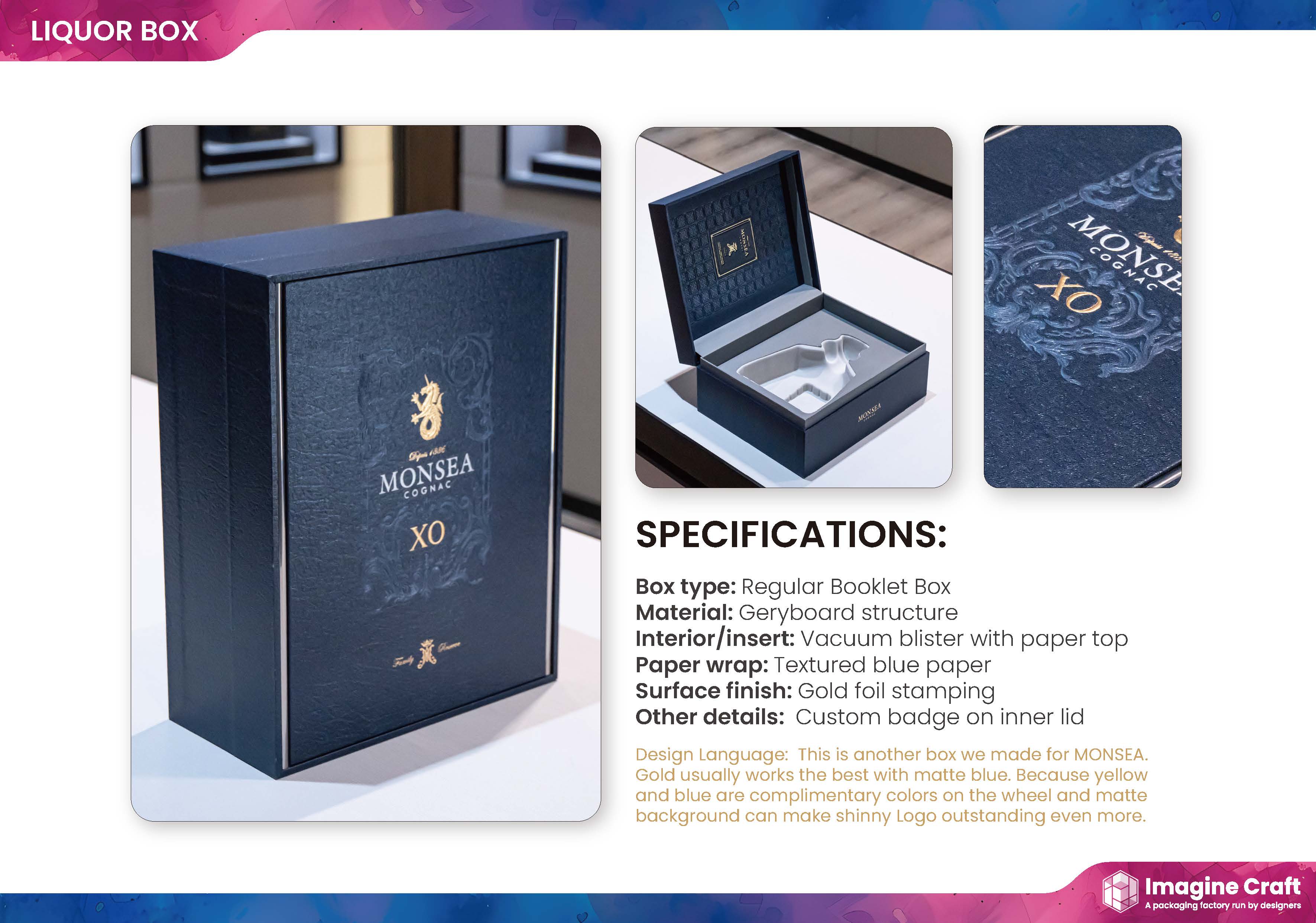
There is no fixed number that applies to every label job. In a well-prepared run, the first proof can match well enough to sign off, but two to four rounds are more common when the substrate, finish, or ink system differs from the previous job. Each round usually involves adjusting pigment strength, dot gain, or plate pressure, then waiting for the ink to dry before judging the result.
Most of the extra rounds come from viewing conditions rather than the press itself. A color that looks close under a D50 booth can drift noticeably under store lighting, and a matte laminate can flatten a tone that looked bright on an uncoated proof. The sample itself may also have aged or been printed on a different material, so even a careful match can look wrong when placed side by side.
A practical target is to keep the process to three rounds or fewer. That usually means measuring the sample with a spectrophotometer, drawing down the ink before the press run, and comparing both under the same controlled light. Once the difference falls inside the agreed tolerance, often a Delta E of 1.5 or less for brand colors, the proof is treated as matched, even if the eye can still find a small shift at an angle.
Are the minimums actually flexible for a small first order, or is that just talk?
Many suppliers say yes in early emails, but the real answer usually shows up when you ask for a concrete quote. A first order can sometimes drop below the listed MOQ if you accept a higher unit price, pay freight, or take colors and packaging they already have in stock. That kind of flexibility tends to be practical rather than generous.
What gets dismissed as just talk is often a mismatch between what the buyer expects and what the seller can absorb. If your requested quantity is 70% below the stated minimum, the seller may still do it on a slower production timeline or as an add-on to another run. If you are asking for a fully custom item with new tooling, the minimum is less likely to move because setup costs do not shrink.
A better way to frame it is to ask what conditions would allow a smaller trial order. That usually tells you quickly whether there is a real path to yes, or just a salesperson being polite. When the flexibility is real, the supplier can name the trade-off; when it is not, they keep repeating the minimum without offering variables.
Who covers the damage when a pallet arrives with crushed corners and broken glass?
Liability usually falls on the party that arranged the freight, but the real answer depends on what the paperwork says. If the shipper packed the pallet poorly or used flimsy corner protectors, the carrier may reject the claim outright. In many cases, the receiver signs the delivery receipt without noting the damage, which makes it nearly impossible to pin responsibility on the trucking company later.
When broken glass is involved, things get trickier. Glass is often listed as an excluded item in carrier tariffs, meaning the transporter won't pay unless you bought additional coverage. Some distributors will replace the damaged stock as a goodwill gesture, especially if you have a long-standing account and photograph the crushed corners before unwrapping anything.
Your best move is to document everything at the dock: take clear photos of the pallet from multiple angles, keep the broken glass intact if possible, and call the supplier before signing the proof of delivery. If the pallet was shipped under your own negotiated rates, you may have to file the claim yourself and wait for the carrier's inspection report before anyone covers the loss.
Will the foil and embossing still look sharp after condensation and a few hours in an ice bucket?
Condensation is an unavoidable part of chilling bottled drinks, but it doesn't have to ruin the label. The foil stamping used here is sealed with a moisture-resistant coating, so water beads roll off instead of soaking in. Even after the bottle sweats in a crowded ice bucket for several hours, the metallic finish keeps its crisp edges and reflective depth. You won't see fogging, lifting, or that dull, patchy look that cheaper labels develop once things get cold and wet.
The embossing holds up just as well under temperature swings. Because the raised design is pressed into a dense, wet-strength paper stock, it resists softening and flattening when the surface stays damp. The tactile ridges remain defined to the touch, which is rare for labels that spend an evening surrounded by melting ice. Small droplets can settle into the recessed areas, but they evaporate without leaving stains or warping.
What really makes the difference is the combination of cured foil and deep-set embossing. Neither element depends on a separate laminate that could peel at the edges once moisture gets underneath. After a full chill cycle and hours of handling with wet hands, the label still looks sharp enough to read from across the table, and the raised details catch the light the same way they did straight off the shelf.
Can their lead times survive harvest season, or do dates quietly slip by two weeks?
A supplier can quote a confident lead time in March, but harvest season has a way of rewriting those numbers without a formal announcement. Ripening windows shift, processing lines back up, and freight space tightens just as every buyer chases the same crop. The original date doesn't vanish; it gets nudged forward a few days at a time, which is why a two-week slip often feels like something you should have seen coming.
The pattern is usually visible in the details. Confirmations start arriving later, tracking updates thin out, and answers turn vague around specific dispatch days. If you only check the agreed delivery date, the delay will look sudden. If you track the milestones behind it, the drift shows up much earlier.
It helps to ask for a harvest window rather than a single production date, and to compare what the supplier promises now against what they actually shipped in the same period last year. A clause that requires notice within 48 hours of any schedule change also makes quiet slippage harder to hide.
FAQ
Many suppliers list a standard MOQ, but it is worth asking if they can accommodate a smaller trial run. Some will offer a split run across different bottle shapes or label designs, which lets you test several markets without committing to a full production volume.
A reliable vendor should provide physical samples or high-resolution digital proofs, along with a clear revision limit. Ask how long each proofing round takes and whether changes after approval trigger extra fees or shift the delivery date.
Look for vendors who can discuss moisture resistance, UV protection, and scuff resistance rather than just listing options. The right partner will ask about your distribution channel and storage environment before recommending paper weights, coatings, or alternative substrates.
You want a concrete replacement or refund policy in writing. Ask whether they require photo evidence, how quickly they can reprint, and who covers freight for the replacement order.
The vendor should be familiar with indirect food contact requirements and regional labeling rules. If they hesitate, that is a red flag. Request documentation such as compliance statements or test reports for the specific materials being quoted.
Not all suppliers can run mixed SKU orders efficiently. Confirm whether there is an extra setup charge, how they manage version control for different labels, and whether the lead time changes when you combine formats.
A clear answer should include production days plus shipping transit time. Ask about peak season delays and whether they allow partial deliveries if one component is held up.
Some vendors offer warehousing and just-in-time release, which can free up your own space and improve cash flow. Clarify storage fees, minimum monthly charges, and how you can pull stock when needed.
Conclusion
Before committing to a first order, press the vendor on the details that tend to unravel after the quote looks good. Bottle shapes that fall outside the standard packing line carry real costs, and the answer should be concrete—who adjusts the line, how much time it adds, and whether you pay for the changeover. The same patience applies to label proofing. If a vendor cannot say how many rounds it normally takes to match a sample color, assume your timeline will absorb the back-and-forth. On minimums, listen for the specific breakpoints where a small order stops being a favor and starts being a real production run; vague flexibility often disappears when the order is actually placed.
Beyond the sample table, ask what happens when freight damage shows up at your dock. Crushed corners and broken glass are not rare, so the vendor should be able to name who files the claim, how replacement stock is prioritized, and whether you are stuck waiting for a carrier investigation. Wet conditions matter too: foils and embossing that look crisp at room temperature can dull or lift after condensation and a few hours in an ice bucket, so request a test under those conditions rather than a flat promise. Finally, pin down lead times against the harvest calendar. If a vendor cannot show how capacity held up during the last crush, the printed date is more of a hope than a schedule.
Contact Us
Contact Person: Sunnie
Email: [email protected]
Tel/WhatsApp: +8615818596517
Website: https://www.imagine-craft.com/