

User-Friendly Kraft Paper Box Designs That Make Packaging Effortless
2026-10-13
Ever wrestled with a box that fights back? Tape dispensers jam, flaps refuse to tuck, and the whole ordeal leaves you questioning your packaging choices. User-friendly kraft paper box designs flip that script. At Kuaijie Carton, we obsess over the small structural details—pre-scored folds, snap-lock bottoms, tear-strip openings—so packaging feels less like a chore and more like a quiet victory. Here's why the right kraft box can make your next shipment, gift, or product launch effortless from the first touch.
Snap-Lock Bottoms That Skip the Tape Entirely
Anyone who has wrestled with a sticky tape gun while trying to keep a box square knows the struggle. Snap-lock bottoms remove that step completely. The die-cut tabs slide into matching slots with a satisfying click, creating a load-ready base in seconds. No dispenser, no tangled strips, no last-minute hunt for the right tape.These bottoms don't just save time; they hold up under real weight. The interlocking geometry distributes pressure across the panel edges instead of relying on a strip of adhesive that can peel or snap in transit. For books, jars, or heavier shipments, the base feels solid from the first lift.
Once the flaps are folded in the right sequence, the lock engages and stays put until the box is deliberately broken down. That means fewer returns from crushed corners and less worry about the bottom giving out on a doorstep.
Pre-Creased Edges for a Fold That Feels Natural
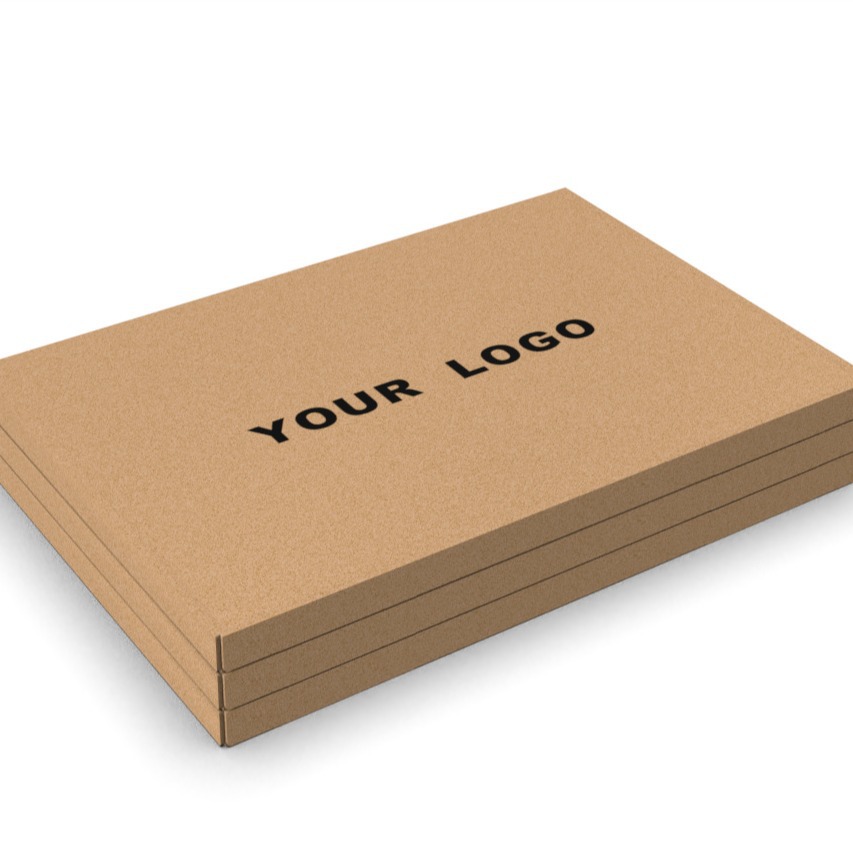
Pre-creased edges aren't just a manufacturing shortcut—they're a small promise the paper makes before you even touch it. When a fold line is pressed in advance, the fibers along that line weaken just enough to remember where to bend. That means the finished fold doesn't fight you or crack under pressure; it follows the path of least resistance, settling into a shape that feels intentional rather than forced.
The result is a fold that behaves like it has done this a hundred times before. There's no waxy stiffness or brittle snap, just a clean, soft hinge that opens and closes without extra effort. Whether you're folding a greeting card, a product sleeve, or a sheet of packaging, that pre-creased edge gives the material a lived-in ease—like a favorite notebook that falls open to the right page.
Lightweight Board With Hidden Corner Reinforcements
At first glance, the board looks refreshingly simple, but lift it and you notice how little it weighs. The secret sits in the corners, where small internal braces tuck neatly out of sight. These reinforcements don't add bulk or break the clean lines—they just transfer load away from the weakest points, so the panel stays rigid without feeling heavy.
Instead of relying on thick edging or visible metal plates, the design hides the strength inside the corner joints. Each brace is cut to fit flush against the inner faces, then bonded under pressure. That means no screw heads, no weld marks, nothing to catch your eye or snag a cable. You get a board that handles knocks and bending far better than its weight suggests.
Pull-Strip Openings That Replace Box Cutters
There’s a particular kind of frustration that comes with hunting for a blade just to open a cardboard box. Even when a box cutter is within reach, one wrong angle can slice through the product inside or leave a ragged edge that catches on everything. Pull-strip openings eliminate that small but recurring annoyance by building the opening mechanism directly into the packaging.
A thin reinforced strip runs along the top or side of the carton, tucked just beneath the surface. When you grip the tab and pull, the strip tears through the board along a pre-scored line, creating a clean, controlled opening. No extra tools, no guessing where to cut, and no loose flaps left behind. The strip’s material and adhesive are chosen to match the corrugate weight, so it doesn’t snap midway or wander off course.
This approach works especially well for ecommerce shipments, subscription boxes, and any package that gets opened in a living room instead of a warehouse. It speeds up unboxing and reduces the chance of damaging the item while opening, which is a practical improvement that customers notice right away.
Flat-Pack Design That Stores in a Drawer, Not a Closet
The idea seems almost too simple until you live with it: a piece of furniture that arrives in a slim box, assembles without tools, and then disappears into a drawer when you no longer need it. Unlike bulky collapsible wardrobes or folded guest beds that demand closet space or a dedicated corner, this flat-pack concept is engineered for the gaps between your socks and sweaters. The panels are thin enough to slide under a folded shirt, and the whole unit clicks together with a few smooth hinges and locking tabs. It's meant for people who move often, live small, or simply hate the sight of an empty coat rack taking up hallway real estate.
Most flat-pack furniture is designed to be assembled once and left standing for years. This one flips that logic: you build it in minutes, use it for a weekend visit, then break it down and stow it away until the next guest arrives. The material is a lightweight honeycomb composite that resists warping, yet weighs less than a stack of magazines. Because the components are perfectly flat and uniform in thickness, they don't snag on clothing or create awkward lumps in the drawer. You might forget it's there until the moment you need an extra side table, a laptop stand, or a low stool for a balcony dinner.
The real charm is the absence of leftover hardware. No Allen keys, no plastic bags of screws, no cryptic pictogram instructions. Every connector is built into the panel edges, so you simply align the slots and press. When you're done, the whole thing folds back into a stack no taller than a shoe box. It's not about replacing your permanent furniture; it's about filling the temporary gaps that life throws at you without turning your home into a storage unit. Keep it behind the winter gloves, and it will be there when the next unexpected overnight guest shows up.
Custom Die-Cut Inserts That Hold Items Steady Without Extra Wrap
A well-made die-cut insert works almost like a second skin for the item it carries. Instead of surrounding a product with layers of loose fill or plastic sheets, the insert is cut to follow the exact outline, so the object rests in its own dedicated cavity. There’s no sliding toward the corners during transit, and no need to twist extra wrap around fragile edges.
The real advantage shows up in the details—small notches, fold-over flaps, and finger-sized cutouts that let you lift the product out without shaking the box. These elements are placed with intent, often tested with the actual item rather than just a digital model. That kind of hands-on adjustment leads to a snug fit that feels deliberate, not forced.
For anyone tired of unboxing a product that arrives wrapped in three layers of plastic only to find a scuffed corner anyway, this approach changes the experience. The item sits still from warehouse to doorstep, and the inside of the package looks cleaner. Less material, fewer steps, and no compromise on protection.
FAQ
It typically means the box arrives flat, pops into shape with a few folds, and stays closed without tape. Pre-scored crease lines, self-locking bases, and tear-away opening strips all remove the usual wrestling match with packaging.
Yes, if you choose the right board thickness or add corrugated inserts. A well-designed kraft box distributes pressure across its corners, so even glassware or books can ship safely without extra bulk.
Because there's no assembly guesswork. Workers can unfold, fill, and seal in seconds, especially with fold-over flaps or snap-lock bottoms. That cuts packing time per order by half or more compared to standard taped boxes.
Not at all. The natural brown fiber gives a clean, earthy backdrop for custom stamps, labels, or hand-written notes. Many premium brands choose kraft precisely because it feels intentional and calm, not industrial.
Look for perforated tear strips, finger notches, or a simple tuck-top closure. These let someone open the box cleanly without scissors or a box cutter, which is a small but memorable courtesy.
Very much so. They're lightweight enough to keep shipping costs down, sturdy enough to survive transit, and the unboxing experience feels more personal than glossy plastic mailers.
Kraft paper is often made from recycled content and is itself recyclable or compostable. The boxes are also easy to reuse for storage, and avoiding plastic tape or lamination further reduces waste.
Request a physical sample to test the folding, thickness, and print quality. Also confirm the supplier's moisture resistance, minimum order quantity, and whether the board is certified by a responsible forestry program.
Conclusion
There's a quiet revolution happening in shipping rooms, and it starts with a kraft paper box that actually respects the person packing it. Snap-lock bottoms click together in one motion, so the tape dispenser stays in the drawer. Pre-creased edges fold along natural lines, making assembly feel less like a chore and more like muscle memory. Even the board itself has been rethought: it's light enough to lift with one hand, but hidden corner reinforcements mean the box won't buckle when stacked three high.
Opening the package is equally effortless. A simple pull-strip tears cleanly across the top, replacing box cutters and the accidental slice into the product inside. When not in use, these boxes flatten down to almost nothing, tucking into a desk drawer instead of hogging a closet shelf. And for fragile or oddly shaped items, custom die-cut inserts grip everything in place without extra wrap, bubble cushioning, or guesswork. The result is a packaging system that removes friction at every step—from storage to seal to unboxing—leaving you with a box that works as hard as you do.
Contact Us
Contact Person: Tan Xiang
Email: [email protected]
Tel/WhatsApp: 8613798906863
Website: https://www.dgkjzx.com