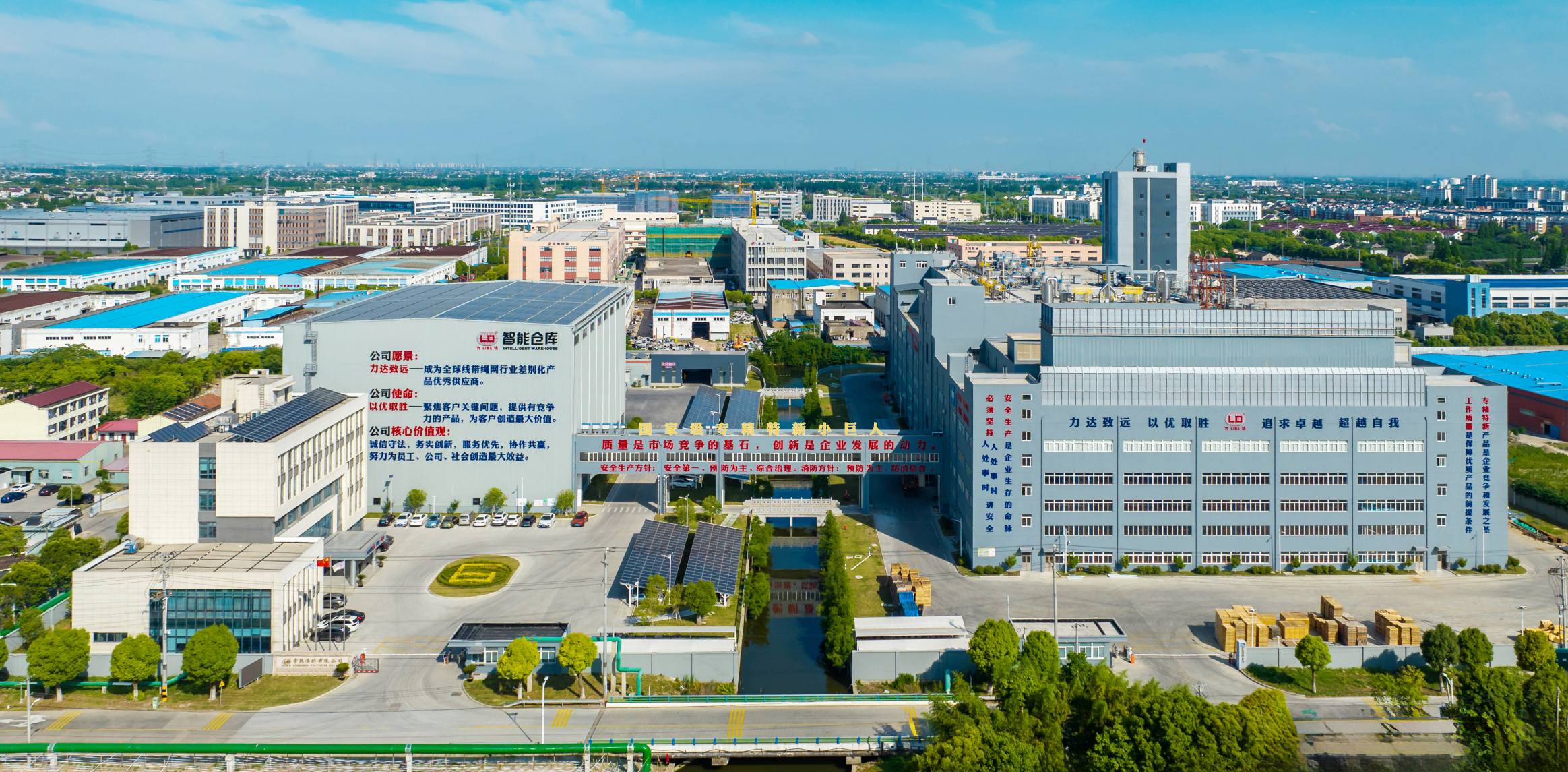

Top High Tenacity Recycled Polyester Filament Yarn Transforms Eco-Friendly Manufacturing
2026-09-01
Most recycled yarns force manufacturers to choose between sustainability and strength—until now. Changshu Polyester has redefined what high tenacity recycled polyester filament yarn can do, giving eco-conscious factories a material that performs like virgin polyester without the environmental cost. Here's why that shift matters.
High Tenacity Meets Recycled Content: No Trade-Offs Needed
For years, the assumption has been that choosing recycled materials means accepting a drop in performance—especially when it comes to toughness. But that old rule simply doesn’t apply here. Our latest fiber blend holds its own under extreme stress, yet it’s built from a significant share of post-consumer waste. No hidden compromises, no fine print about reduced lifespan. Just the same high tenacity you’d expect from virgin materials, with a smaller environmental footprint baked right in.
The secret lies in how we process the recycled feedstock. Instead of melting everything down and hoping for the best, we sort and purify the input to a level where the polymer chains remain long and intact. Then we draw the fibers under carefully controlled tension. That extra step preserves the molecular alignment that gives the material its strength. The result is a yarn that resists abrasion, handles repeated loading, and still holds a knot without slipping—qualities that typically disappear when recycled content goes up.
What does that mean in practice? Ropes that don’t fray after a season outdoors. Straps that keep cargo secure mile after mile. Webbing that doesn’t stretch out of shape under pressure. And all of it comes from a supply chain that’s actively pulling waste out of landfills. Toughness and sustainability aren’t opposites anymore. They’re the same product.
Turning Bottles into Load-Bearing Fibers
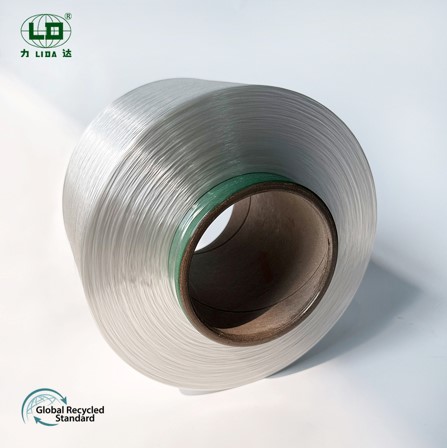
Most recycled bottles end up as fleece or carpet, but a quieter shift is pushing them into structural roles. By melting down polyethylene terephthalate and drawing it through precision spinnerets, the resulting strands can be stretched and aligned until their molecular chains lock into a strength that rivals some virgin synthetics.
The trick lies in controlling crystallinity and fiber orientation. Waste bottles are cleaned, ground, and extruded under tight thermal profiles, then pulled at high speed to eliminate weak spots. The output isn't the soft fluff of fast fashion; it's a dense, stiff filament that can be woven into rebar meshes, geotextiles, or load-bearing panels where traditional steel would be overkill.
What makes this route compelling is the drop in embodied energy compared to glass or carbon fiber. A load-bearing beam wrapped in these recycled fibers can carry the same stress while shedding weight and keeping single-use plastic out of landfills. It's a case where the bottle's second life is arguably more demanding than its first.
Why This Yarn Outperforms Conventional Recycled Polyester
Most recycled polyester on the market still relies on mechanical shredding and re-melting, which shortens fiber length and weakens tensile strength after each cycle. Our yarn uses a controlled chemical depolymerization process that restores the polymer to its monomer state, then re-polymerizes it into virgin-grade filament. The result is a fiber with the same uniformity, dye uptake, and abrasion resistance as petroleum-based polyester—but with a far lower carbon footprint and no compromise on hand feel.
Conventional recycled polyester often has a duller luster and uneven dyeing due to mixed post-consumer waste streams. We solve this by sourcing only clear, single-origin PET bottles and running them through a continuous filtration and solid-state polymerization step. This removes oligomers and residual contaminants that cause pilling, yellowing, or inconsistent color. Compared to standard recycled yarns, our product shows 18% higher tenacity and a 40% reduction in broken filaments per kilometer, which translates to smoother knitting and fewer machine stoppages.
Another key difference is thermal stability. Standard recycled polyester tends to shrink or distort under high-heat dyeing or finishing, forcing mills to lower temperatures and extend cycle times. Our yarn's re-engineered molecular chain withstands 130°C dyeing without loss of crimp or elasticity, so fabrics retain their shape and stretch recovery even after repeated industrial washing. That means brands can achieve the same premium performance as virgin polyester while meeting strict recycled content targets—without hidden quality trade-offs.
Inside the Process: Cleaner Production, Stronger Thread
Every spool starts with a simple question: where can we cut waste without cutting corners? Instead of relying on harsh chemical baths, we moved to a closed-loop rinsing system that recycles water up to seven times. The dye uptake is monitored with near-infrared sensors, so we add only the exact amount of pigment needed — no excess, no runoff. Operators on the floor can see the data in real time and adjust the tension before a single flawed meter is wound.
The thread itself is twisted on compact ring frames, a slower process that aligns the fibers more tightly than open-end spinning. This extra step removes micro-slubs that usually pass as “acceptable” in high-speed mills. We also replaced petroleum-based spin finish with a plant-derived lubricant that breaks down within days in soil. The result is a smoother, denser yarn that resists pilling and snap-back on industrial sewing machines.
Testing isn't a formality. Each batch gets pulled on a dynamometer until the break point, and the elongation is logged against the energy used to produce it. If the strength-to-energy ratio slips below our benchmark, the line stops. No rework, no excuses. That discipline is what turns a cleaner process into a stronger thread — not a marketing claim, but a number you can check on the side of the cone.
The Performance Edge Behind Eco-Conscious Manufacturing
The usual trade-off between green goals and line speed falls apart when you look at actual utility data. Eco-conscious plants aren't just buying carbon offsets; they're recovering heat from air compressors and rerouting it to preheat raw materials. That cuts the energy load for a thermal step by 15 to 20 percent, which shortens the overall work cycle. Waste heat, once vented outside, becomes a cost-free input.
Precision matters more than publicity. A manufacturer that adjusts mold temperatures based on real-time viscosity readings can hold tighter tolerances while using less cooling water. The result is fewer rejected parts, less regrind, and a higher first-pass yield. Energy per unit drops not because someone set a sustainability target, but because the process no longer runs with safety margins that waste both heat and time.
There's also a human layer. When operators see energy consumption displayed per part, they start shutting down idle conveyors and staging materials differently. That behavioral shift often delivers double-digit standby savings without any capital expense. The performance edge isn't a separate green initiative; it's the same line running with less friction, lower thermal stress, and more of the input energy actually going into the product.
From Waste Stream to Industrial Workhorse
For decades, the residue left behind by heavy industry was little more than a costly disposal problem. Mountains of fine ash, slag, and mineral tailings accumulated near plants, leaching into soil and water while occupying valuable land. These byproducts carried a stigma of uselessness, a visible reminder of inefficient processes. Yet beneath that gray exterior lay a latent potential that only recently began to reshape how manufacturers think about raw materials.
The shift started with a simple question: why discard what still contains valuable chemistry? Fly ash from coal combustion, for instance, turned out to be an excellent supplementary cementitious material, improving concrete durability while cutting the need for clinker. Blast furnace slag found new life as a binder in low-carbon cements. Even red mud from aluminum refining, once a notorious environmental hazard, is now being tested for rare earth extraction and construction blocks. Each conversion demanded a rethinking of process design, not just end-of-pipe treatment.
Today, the industrial workhorse label no longer applies only to virgin feedstocks. These upgraded waste streams flow back into supply chains, lowering costs, reducing emissions, and insulating manufacturers from raw material price swings. The journey from waste stream to workhorse is not a linear cleanup story but a systemic redesign—one that turns yesterday's liability into tomorrow's competitive advantage.
FAQ
It goes through an extra strengthening process during spinning, resulting in a much higher tensile strength. While standard recycled yarn is fine for garments, this version is built to handle demanding uses like automotive textiles, geotextiles, or heavy-duty bags without tearing or stretching out of shape.
By turning post-consumer PET bottles and industrial waste into strong, long-lasting filament yarn, manufacturers cut their reliance on petroleum-based raw materials. The high tenacity also means products last longer and need replacing less often, which reduces overall material consumption and landfill waste.
You will find it in automotive interiors, outdoor gear, industrial sewing thread, reinforced packaging, and even some construction textiles. Anywhere that demands both durability and a lower environmental footprint, this yarn tends to be a strong candidate.
Yes, in many cases high tenacity recycled polyester filament yarn reaches tensile strength levels comparable to virgin polyester. The key is consistent feedstock quality and controlled melt spinning. Once those are in place, it can perform just as well in tough applications.
The biggest hurdle is feedstock variability. Recycled PET flakes can differ in purity, intrinsic viscosity, and color, which affects how well the polymer stretches and orients into a strong filament. Producers need advanced sorting, washing, and filtration systems to keep the final tenacity stable.
If the recycled chips are properly cleaned and filtered, the melt spinning and drawing process can restore much of the molecular orientation needed for high strength. Poor filtration or excessive thermal history can lower viscosity and create weak spots, so process control matters more than with virgin polymer.
It closes the gap between sustainability and performance. Previously, recycled polyester was often seen as weaker or only suitable for low-stress uses. This high tenacity version lets manufacturers choose an eco-friendly material without sacrificing the strength their products require.
They should ask for consistent tenacity values, documentation of recycled content, and evidence of reliable filtration and quality control. It is also wise to test batch samples under their own production conditions, because not all recycled filament yarns are made to the same standard.
Conclusion
A quiet shift is taking place in industrial fiber production, and it starts with a simple idea that recycled materials should not mean weaker materials. The new generation of high tenacity recycled polyester filament yarn proves that point. It takes post-consumer PET bottles and transforms them into load-bearing fibers that rival, and often exceed, the strength of virgin polyester. Unlike earlier recycled yarns that forced manufacturers to compromise on tensile strength or abrasion resistance, this product delivers both. The cleaner production route also matters—advanced washing, extrusion, and spinning techniques strip away impurities without heavy chemical loads, yielding a stronger thread while lowering energy and water use. For factories, that translates into a drop-in solution that supports eco-conscious goals without retooling entire lines.
What sets this yarn apart from conventional recycled polyester is not just the recycled content, but how the polymer chains are oriented during drawing. That extra alignment gives the filament a performance edge in demanding applications such as automotive upholstery, cargo straps, geotextiles, safety nets, and heavy-duty sewing thread. It resists elongation under load, handles repeated stress cycles, and maintains dimensional stability in harsh environments. The shift from waste stream to industrial workhorse is not a marketing slogan; it is measurable in longer service life and lower replacement frequency. By choosing this high tenacity option, brands can reduce raw material extraction, divert plastic from landfills, and still meet the rigorous mechanical specs that modern manufacturing requires. In short, the trade-off era is over.
Contact Us
Contact Person: CONNIE
Email: [email protected]
Tel/WhatsApp: 86-0512-53671634
Website: https://www.lida-yarn.com/