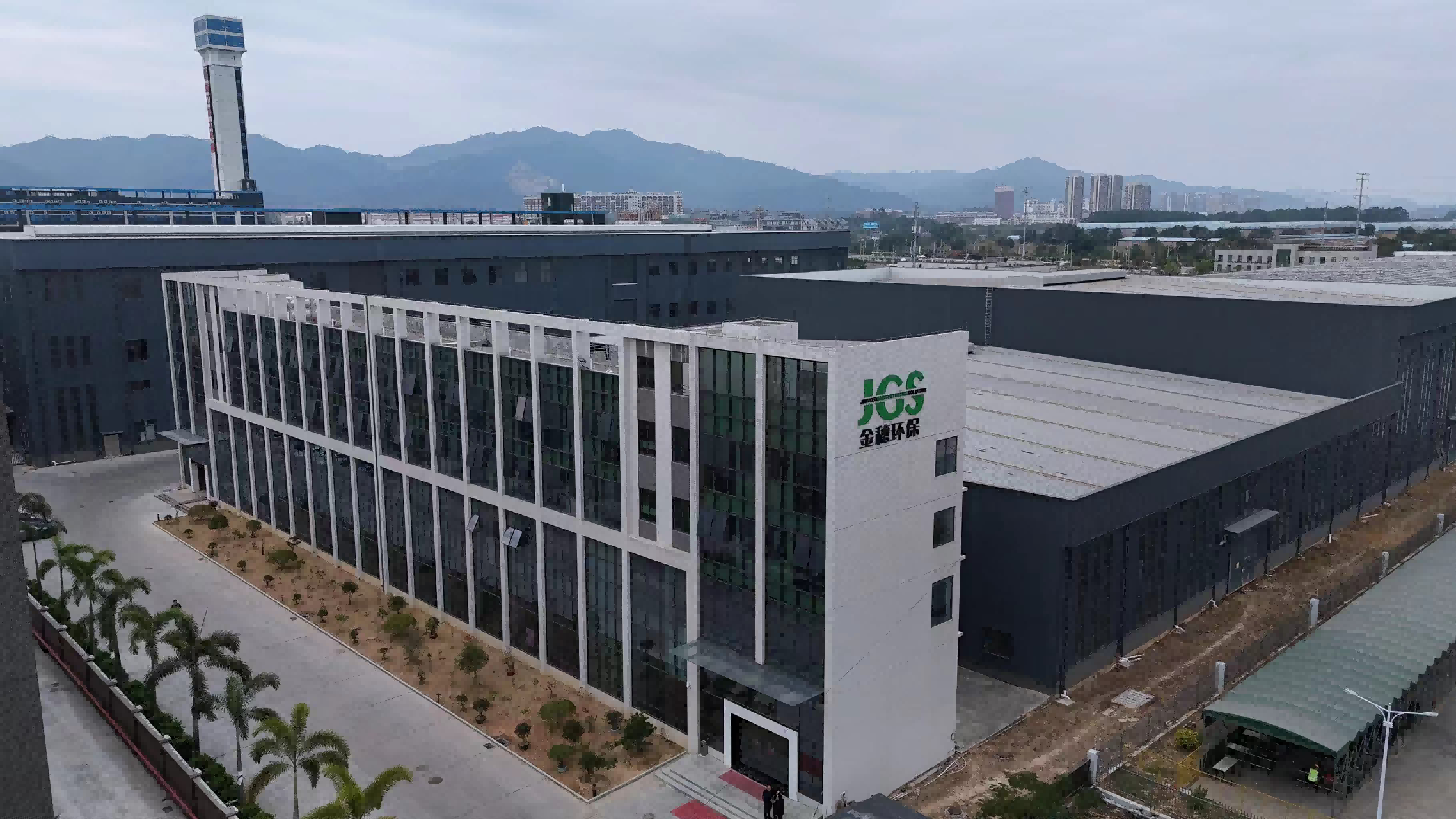

Top HDPE Geomembrane Liner Supplier for Durable Containment Solutions
2026-08-09
When it comes to containment projects that demand unwavering reliability, HDPE geomembrane liners are the industry’s backbone—but only if sourced from a supplier that truly understands durability. With so many options claiming top performance, how do you separate genuine expertise from empty promises? That’s where JInseed Geosynthetics Solution changes the game. In this blog, we peel back the layers of what makes a supplier truly top-tier and why this name keeps surfacing in successful projects worldwide.
What Makes HDPE Geomembranes Ideal for Long-Term Containment?
HDPE geomembranes have earned a strong reputation in containment projects that demand decades of reliable performance. Their molecular structure offers exceptional resistance to a broad range of chemicals, including acids, alkalis, and hydrocarbons, which makes them well-suited for landfill liners, mining heap leach pads, and industrial waste ponds. Unlike some other polymers, HDPE remains flexible and tough even after prolonged exposure to aggressive leachates, maintaining its integrity without becoming brittle or swollen. This chemical stability is a cornerstone of long-term containment, ensuring that the barrier layer stays effective year after year with minimal degradation.
Another key factor is the material's low permeability. HDPE geomembranes are manufactured with a density that creates a highly crystalline structure, resulting in water vapor transmission rates that are virtually negligible. In practical terms, this means that liquids and gases cannot easily migrate through the liner, which is critical for preventing groundwater contamination and controlling methane emissions in landfills. Installation methods, such as thermal welding, allow for seamless joints that maintain the same low permeability as the parent material, eliminating weak points where leaks could develop over time. The combination of low permeability and strong seams forms a containment system that can withstand subsurface pressures and environmental stresses for the design life of the facility.
Beyond the material properties, HDPE geomembranes offer excellent resistance to environmental factors like ultraviolet radiation and temperature extremes. Modern formulations include carbon black and stabilizers that prevent UV degradation, allowing the liner to survive directly exposed conditions during installation without losing significant mechanical properties. Once covered, the material's durability against soil loads, puncture, and stress cracking further contributes to its longevity. This blend of chemical resilience, impermeability, and weatherability makes HDPE a practical choice for engineers looking to meet strict environmental regulations while minimizing long-term maintenance and repair costs.
Key Features to Look for in a Reliable Liner Supplier
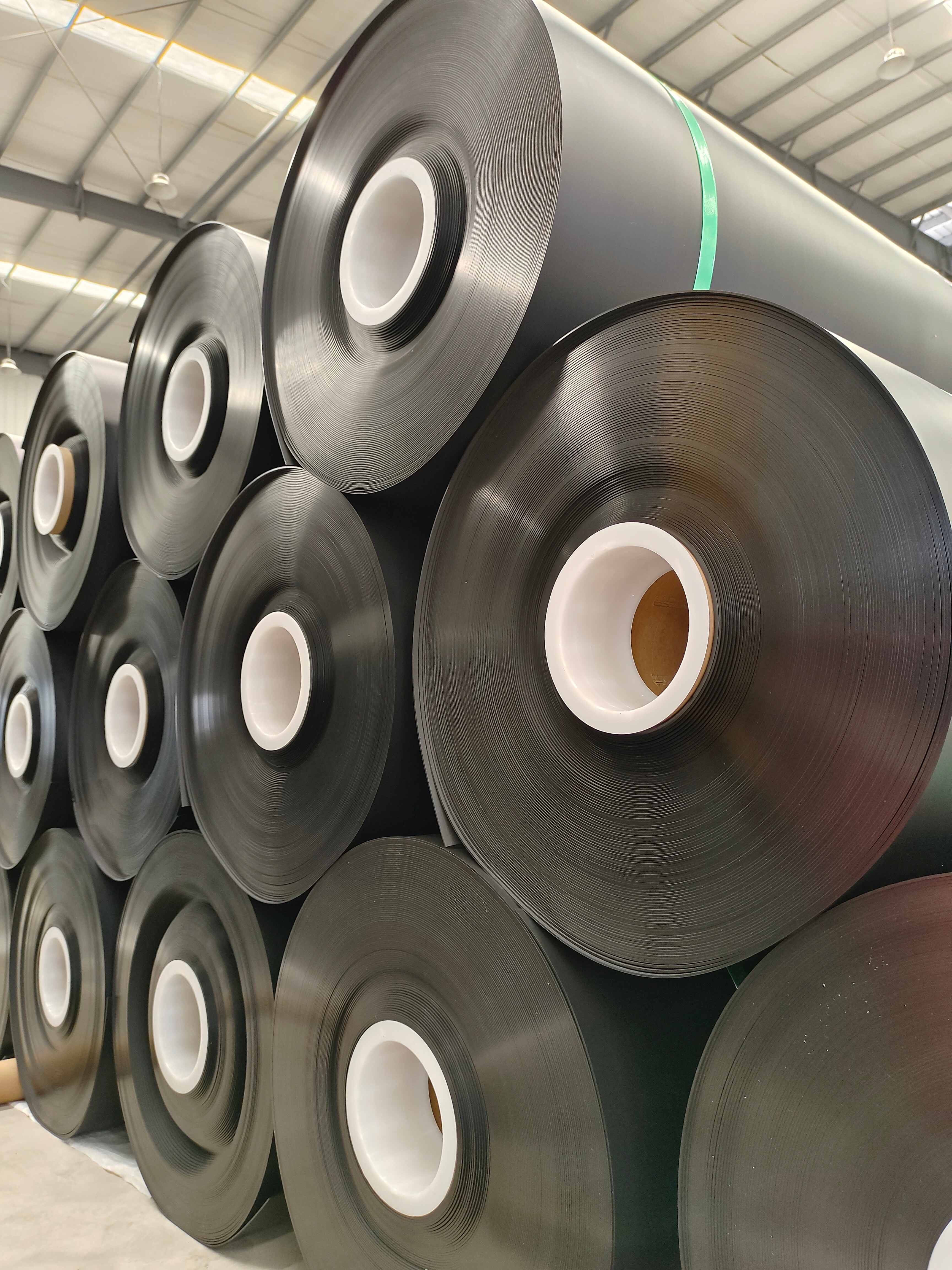
Finding a supplier that truly understands your operational demands goes beyond checking boxes on a standard list. The right liner partner should demonstrate a knack for proactive problem-solving, where they anticipate issues before they escalate. This means their team doesn’t just respond to inquiries but actively suggests ways to streamline your processes, from material selection to logistics. Look for a supplier who treats your success as an extension of their own, not just another transaction.
Consistency in quality can make or break your supply chain, and it starts with rigorous, behind-the-scenes practices. A reliable supplier lives by meticulous quality control, but the best ones go further by investing in continuous improvement programs that clients rarely see. Ask about their defect prevention methods and how they handle deviations—do they have a transparent corrective action system? The goal is a partner whose product you never have to second-guess, even across fluctuating order volumes.
Communication style matters more than most businesses admit. You want a supplier where information flows freely and honestly, not one who sugarcoats delays or hides material substitutions. Gauge their responsiveness during the vetting process: do they ask insightful questions about your application? Are their timelines realistic rather than optimistic? A truly reliable liner supplier becomes an invisible pillar of your operation, delivering so smoothly that you almost forget they’re there—until you need them, and they’re instantly reachable.
Comparing HDPE to Other Geomembrane Materials
When lining a containment system, the choice of material is rarely about finding a flawless option; it’s about matching the liner’s characteristics to the specific demands of the project. High-density polyethylene stands out because of its balance of flexibility and durability—it stretches before it breaks, which is a comforting trait when dealing with uneven settlement or sharp rocks below. Compared to PVC, for instance, HDPE offers far superior chemical resistance and weatherability, though it’s stiffer and can be more cumbersome to weld in tight corners. The real advantage, however, lies in its long-term performance: decades of case studies show HDPE remains remarkably stable in terms of tensile strength and elongation, while other materials might leach plasticizers or become brittle when exposed to sun and soil.
Looking at polypropylene-based liners, they often match HDPE in chemical resistance, yet they falter in UV resilience unless heavily stabilized, adding cost and complexity. Ethylene propylene diene monomer (EPDM), beloved for its elasticity, simply can’t compete when hydrocarbons or aggressive leachates are in the mix. What often gets overlooked is how HDPE’s density contributes to its permeation resistance—water vapor and methane transmission rates are remarkably low, making it the quiet workhorse in landfills and mining heap leach pads. That’s not to say it’s always the best fit; on steep slopes where friction is paramount, a textured HDPE variant becomes necessary, whereas a more supple material might lay flatter with fewer engineering adjustments.
In the operational phase, the differences become even more pronounced. Repairs on HDPE are straightforward via extrusion welding, restoring monolithic integrity, whereas patching a plasticized liner often feels like a temporary fix. The environmental stress cracking resistance of modern HDPE resins has also evolved, shedding the reputation for brittleness that plagued earlier generations. Still, no material is invincible—HDPE’s thermal expansion demands careful anchor trench design, a nuance not always captured in quick comparisons. Ultimately, the choice hinges on priorities: if chemical robustness, longevity, and low maintenance dominate the decision matrix, HDPE emerges as the pragmatic leader, not by headline-grabbing features, but by compounding small victories over time.
Real-World Applications of Durable Containment Solutions
Durable containment solutions have quietly revolutionized industries where material handling poses significant risks. From chemical processing plants to pharmaceutical manufacturing, the ability to reliably store and transport hazardous or sensitive substances without leakage or contamination is paramount. These systems employ advanced materials like high-density polyethylene, fiberglass-reinforced plastics, or specially coated steels, engineered to withstand corrosive chemicals, extreme temperatures, and physical stress over decades of use.
In the energy sector, secondary containment systems are often the unsung heroes preventing environmental disasters. Offshore drilling platforms, for instance, rely on double-walled tanks and spill pallets that can hold up to 110% of the primary container’s volume, ensuring that even in worst-case scenarios, no crude oil reaches the ocean. Similarly, battery storage facilities for renewable energy utilize fire-resistant containment enclosures to mitigate the risk of thermal runaway in lithium-ion units, a critical safeguard as grid-scale storage expands.
Beyond heavy industry, these principles appear in unexpected places. Urban farming operations use food-grade containment bins to manage nutrient solutions in hydroponic systems, preventing algae growth and maintaining precise chemical balances. Even data centers benefit from leak-proof containment for backup coolant systems, protecting sensitive electronics while conserving thousands of gallons of water annually. The common thread is a shift away from disposable, fragile packaging toward robust, reusable designs that align with long-term operational efficiency and genuine environmental stewardship.
How to Assess Supplier Quality and Track Record
Evaluating a supplier's quality and track record goes beyond a simple checklist. Begin with a deep dive into their performance history—request detailed case studies, client references, and documented metrics that reflect consistency over time. Look for patterns in defect rates, on-time delivery percentages, and how they handle corrective actions. A supplier willing to share both successes and setbacks is often more transparent and reliable.
On-site visits, whether virtual or in-person, reveal more than any report. Observe their production processes, quality control checkpoints, and how employees engage with their work. Ask about their training programs, equipment maintenance schedules, and how they trace raw materials. A well-organized facility with clear standard operating procedures usually signals a commitment to quality that paper certifications alone can't guarantee.
Finally, don't overlook the softer signs—communication style, problem-solving attitude, and cultural alignment with your organization. A supplier's responsiveness during the evaluation phase often mirrors their behavior once a contract is signed. By blending data-driven analysis with firsthand observation and genuine interaction, you gain a holistic view of their true quality ethos and long-term reliability.
Innovations Driving the Future of Geomembrane Liners
Recent breakthroughs in polymer science are reshaping geomembrane liners, making them tougher and more adaptable than ever before. High-performance polyethylene blends now combine flexibility with exceptional chemical resistance, allowing installations in aggressive environments like mining heap leach pads or industrial waste ponds where traditional materials would quickly degrade. These next-generation formulations also exhibit reduced thermal expansion, minimizing wrinkles during installation and ensuring a consistent barrier that holds up under extreme temperature swings.
Smart monitoring technologies are also changing how we think about liner integrity. Embedded fiber optic sensors and conductive geomembranes can detect leaks in real time by pinpointing changes in strain, temperature, or electrical conductivity across vast areas. Instead of waiting for a catastrophic failure, operators receive immediate alerts, enabling proactive repairs that extend the lifespan of containment systems. This shift to data-driven maintenance not only reduces environmental risks but also drives down long-term operational costs.
Manufacturing innovations are equally pivotal, with advanced extrusion processes now allowing multi-layer liners to be produced with precisely engineered properties in each layer. For example, a liner might feature a textured surface for slope stability, a core with enhanced tensile strength, and a conductive backing for leak detection—all without compromising thickness uniformity. Coupled with robotic welding systems that ensure flawless seams, these production advances make installation faster and more reliable, even in remote or challenging terrain.
FAQ
It's a synthetic sheet made from High-Density Polyethylene, designed as a waterproof barrier. You'll typically find it in landfills to contain leachate, in mining operations for heap leach pads, lining ponds and canals, and even in aquaculture to prevent water seepage. Its chemical resistance makes it a go-to for industrial containment too.
HDPE brings a unique combination of chemical resistance, mechanical strength, and UV stability that many other materials struggle to match long-term. It doesn't plasticize like PVC over time, and it's much less prone to swelling than EPDM when exposed to hydrocarbons. Plus, large panels can be heat-welded into monolithic seamless barriers, which minimizes leak paths.
Look beyond the brochures. A dependable supplier will provide comprehensive third-party testing reports that go well beyond minimum GRI-GM13 specs—things like oxidative induction time, stress crack resistance, and multi-axial elongation. Field technical support is a must: their engineers should come to the site, advise on handling, and certify the welds. Manufacturing consistency, verifiable resin sourcing from top petrochemical companies, and a track record with similar installations tell you more than a polished catalog.
Preparation is everything. The subgrade must be smooth, compacted, and free of sharp stones—a geotextile cushion is often cheap insurance. Panels should be laid with enough slack to prevent stress, and thermal fusion welds need to be tested (air pressure for double tracks, vacuum box for single welds) by an independent CQA team. Avoid working in high winds or extreme cold, because HDPE stiffens and is harder to handle. The best suppliers send an installation supervisor to keep an eye on these details.
Decades. The antioxidants blended into premium-grade resin can keep the material ductile for over 50 years in covered conditions like landfill basal liners. Even in exposed applications—think floating covers or pond liners in sunny climates—high-quality HDPE with adequate UV stabilizers often serves 20+ years before surface properties decline significantly. The real killer is extreme heat and chemical cocktails that deplete antioxidants faster, so accelerated aging tests matched to your site are the best prediction tool.
A flexible supplier will offer you a real range, not just what's gathering dust in a warehouse. Smooth geomembranes run from 0.5mm to 3.0mm in standard lines, and thicker for special orders. Textured surfaces—single or double-sided—are available with studded or sprayed-on finishes to improve slope stability on grades. If your project demands something off the spec sheet, a capable manufacturer can customize with different resins, colors (like white for heat reflection), or even co-extruded conductive backing for leak location surveys.
Serious suppliers treat logistics like part of the product. They'll work back from your installation date and coordinate production runs so rolls arrive in sequence if you need it. You're not just getting a truckload; you're getting custom-length panels to reduce field seaming, proper packaging to prevent edge damage in transit, and on-time deliveries with buffer stock for unexpected field cuts. Good ones also help with unloading equipment so the rolls don't get manhandled before they even hit the ground.
Conclusion
For projects demanding long-term, fail-safe containment, partnering with a top-tier HDPE geomembrane liner supplier is not just an option—it’s a strategic necessity. High-density polyethylene stands apart due to its exceptional chemical resistance, ultraviolet stability, and stress-crack resistance, making it ideal for applications ranging from landfill caps to mining heap leach pads. When evaluating potential suppliers, one should look beyond basic certifications and examine their track record in real-world projects: has the company consistently delivered liners that maintain low permeability over decades? Do they provide comprehensive quality control documentation, including raw material traceability and factory-scale testing? The shift from conventional materials like PVC or CSPE to HDPE is often driven by data—comparative studies show HDPE’s far lower diffusion rates and superior longevity in aggressive environments. Reliable suppliers also invest in installer training and on-site support, recognizing that even the best liner can underperform if not deployed correctly.
True leadership in the geomembrane market, however, emerges from a blend of proven reliability and forward-thinking innovation. The top supplier today is one that continuously refines manufacturing processes—like multi-layer coextrusion and textured surface engineering—to enhance interface friction without compromising durability. Field-proven solutions for challenging applications, such as floating covers and secondary containment in chemical plants, demonstrate a supplier’s capability beyond the spec sheet. Moreover, ongoing R&D into recycled-content HDPE liners and smart monitoring technologies (e.g., liner integrity sensors embedded during fabrication) signals a commitment to sustainable, future-ready containment. By rigorously assessing a supplier’s historical performance, technical support depth, and innovation pipeline, engineers can secure containment solutions that truly last. In this specialized field, the difference between an average liner and a top-performing one often lies in the invisible details—raw material choices, extrusion consistency, and a supplier’s refusal to cut corners—all of which translate directly into decades of trouble-free service.
Contact Us
Contact Person: Jerry Qiu
Email: [email protected]
Tel/WhatsApp: +65 84265294
Website: https://www.jinseed-geo.com