
Top 10 Modacrylic Fabrics Worth Exploring
2026-07-06
Modacrylic fabrics are quietly reshaping the textile world with their blend of durability, flame resistance, and surprising softness. But not all modacrylics are created equal — some stand out for their innovation, feel, and performance in ways that might catch even the most seasoned designer off guard. In this curated list of ten standout options, we spotlight the textures and tech that matter, including noteworthy contributions from industry innovators like DROTEX. Prepare to rethink what modacrylic can do.
Blending Boundaries: Modacrylic and Its Perfect Fiber Partners
Modacrylic rarely works alone—its true strength emerges when paired with companion fibers that fill in its weaknesses. By blending with cotton, for instance, the synthetic fiber gains a softer hand and improved moisture absorption, making garments more comfortable against the skin without sacrificing the inherent flame resistance. Cotton’s breathability offsets modacrylic’s tendency to trap heat, creating fabrics that feel natural yet perform in high-risk environments.
Wool is another classic partner, bringing warmth, resilience, and a luxurious texture that modacrylic alone cannot match. The blend yields fabrics that drape beautifully while retaining shape, all with enhanced fire-retardant properties. This combination is especially prized in protective workwear and stylish outerwear, where the goal is to harmonize safety standards with everyday comfort and visual appeal.
For industrial applications, pairing modacrylic with high-performance fibers like aramid takes protection to another level. The blend maintains structural integrity under extreme heat and provides superior arc flash defense. These hybrid fabrics push the boundaries of what protective clothing can achieve, seamlessly merging durability, safety, and wearability.
From Wigs to Workwear: Unexpected Applications of Modacrylic
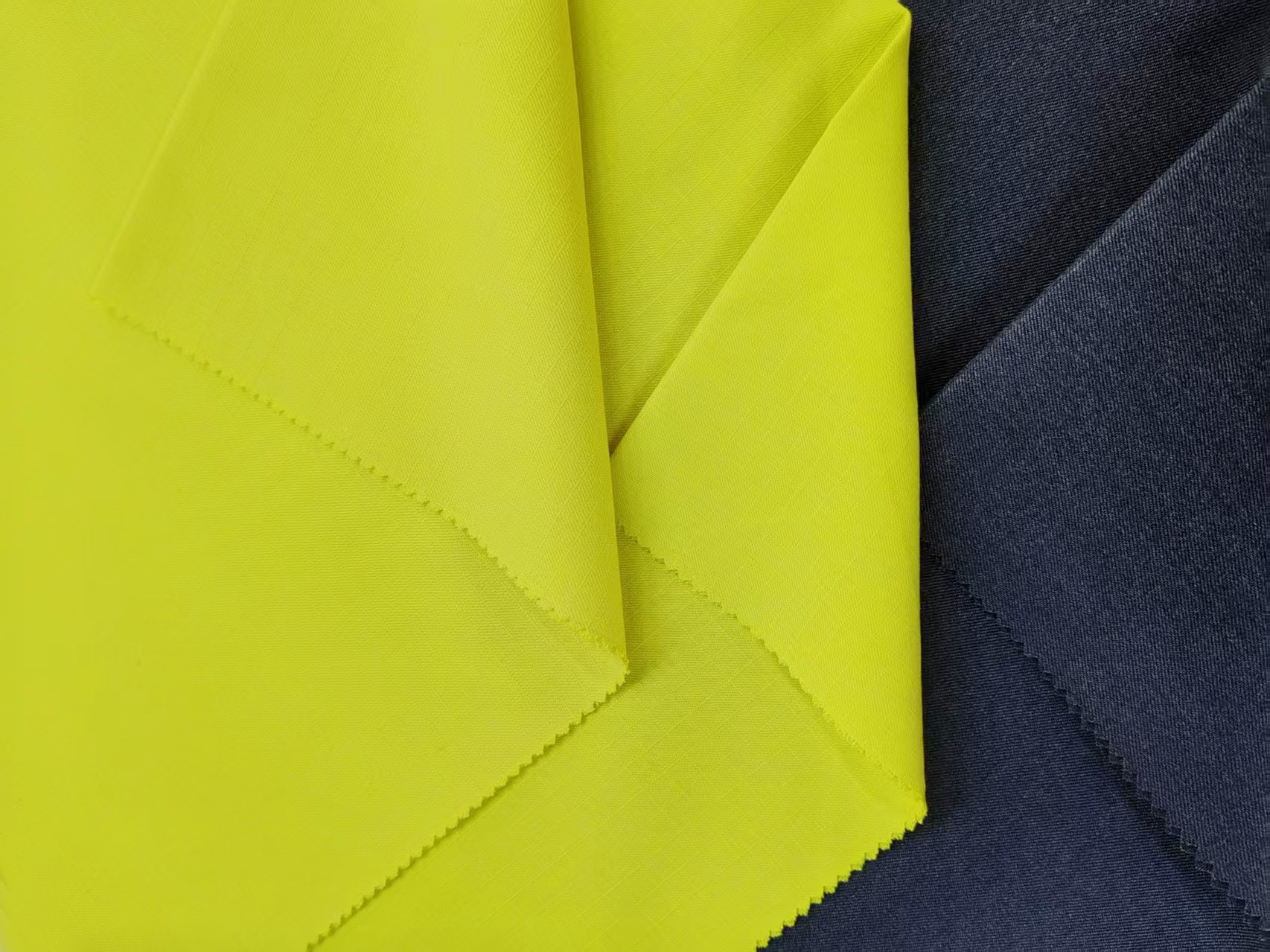
Modacrylic fibers rarely get the spotlight, yet their odd blend of properties lands them in places you wouldn’t expect. The same soft, heat-resistant strands that make convincingly natural-looking wigs also end up in flame-resistant workwear, fake fur, and even industrial filters. It’s the copolymer structure—heavy on acrylonitrile but laced with flame-retarding comonomers—that gives modacrylic its split personality: pliable enough to mimic human hair, tough enough to face a welding arc without melting.
In the world of hairpieces, modacrylic excels because it resists frizz, holds curl under humid conditions, and can be heat-styled up to a point where other synthetics would simply shrivel. This makes it a mainstay for costume wigs that endure stage lights and quick changes. The fiber’s low density also lets manufacturers build volume without weight, giving theatrical and medical wigs a natural movement that cheaper acrylics can’t match. Color retention is another quiet advantage—dyes lock in so well that even salon-quality shades hold fast through multiple washes and UV exposure.
On the opposite end of the spectrum, modacrylic’s built-in flame resistance has made it indispensable for protective clothing. Blended with cotton or aramid, it creates fabrics that char instead of ignite, meeting standards for electrical arc flash and flash fire protection without the stiffness of 100% aramid gear. You’ll find it in linings, base layers, and even the furry hood trim of parkas that need to pass fire safety tests while still feeling soft against the skin. From a stunt performer’s wig cap to a lineman’s jacket, the material quietly bridges the gap between comfort and critical safety, proving that unassuming polymers often carry the most surprising résumés.
The Secret Science Behind Modacrylic’s Flame Resistance
Modacrylic fibers owe their flame resistance to a clever bit of chemistry built right into the polymer chain. Unlike treated fabrics that rely on surface coatings, modacrylics are copolymerized with halogen-containing monomers—typically vinyl chloride or vinylidene chloride—making fire resistance an intrinsic property. When exposed to heat, these halogens are released and scavenge the highly reactive free radicals that sustain combustion, essentially snuffing out the flame before it can propagate. This gas-phase inhibition works in tandem with the fiber’s tendency to form a stable char layer, which insulates the underlying material and slows further degradation. It’s a self-extinguishing mechanism that doesn’t wash out or wear off over time.
What really sets modacrylic apart is how it handles high temperatures without melting or dripping. Many synthetic fabrics will shrink, melt, and drip molten plastic when ignited, posing a serious burn hazard. Modacrylic, on the other hand, undergoes cross-linking and carbonization when heated, creating a robust carbonaceous char that remains intact. This behavior stems from its molecular structure: the halogen groups promote dehydrohalogenation at high temperatures, leading to conjugated double bonds that cyclize and form a heat-resistant lattice. The result is a protective barrier that blocks oxygen and heat transfer, effectively sealing off the material from further combustion. It’s a built-in shield that activates precisely when you need it.
Interestingly, the flame resistance of modacrylic isn’t solely about halogens—the copolymer composition is often tweaked with other co-monomers like acrylonitrile or antimony oxides for synergistic effects. Antimony, for instance, works in concert with halogens to turbocharge free-radical quenching. These formulations can be precisely calibrated to meet stringent safety standards without sacrificing softness or dyeability. In practice, that means a firefighter’s hood or a protective sleeve can feel comfortable yet still withstand a sudden flash. By engineering the polymer itself rather than applying a temporary finish, manufacturers produce a fiber that remains flame-resistant for the life of the garment, offering a quiet, reliable defense that’s always on duty.
Texture Tales: How Modacrylic Mimics Natural Fibers
There’s a quiet magic in the way modacrylic drapes across your skin, a softness that whispers of cashmere but with a resilience that’s all its own. Run your fingers over its surface—you’ll catch the faint, fibrous halo of wool, the gentle give of cotton, yet it holds a shape memory that natural threads could only dream of. This isn’t mimicry through cheap disguise; it’s a careful choreography at the molecular level, where crimped, irregular fibers are engineered to scatter light and bend in ways that feel instinctively familiar.
What makes the illusion stick is how modacrylic ages alongside you. Real wool pills into tiny balls under friction; silk yellows with time. But this fiber keeps its first-day composure, resisting the fading, shrinkage, and wrinkling that betray synthetics masquerading as naturals. Dyers love it for the same reason—colors cling deep and true, because the polymer accepts pigments with an eagerness that even linen can’t muster. It’s a material that doesn’t just imitate texture but improves upon the dialogue between touch, light, and endurance.
The real tale, though, lies in the way it fools not just the hand but the instinct. Designers weave modacrylic into blends that reproduce the dry, nubby hand of raw silk or the plush loft of alpaca, often leaving even experts doing a double-take. This isn’t about cutting corners with cheap plastic; it’s about crafting a new sensory vocabulary—one where the texture of nature is honored, yet rewritten for a life that’s harsher, faster, and far less forgiving than the sheepfold. Modacrylic doesn’t just mimic; it lets the wild softness of natural fibers survive the wild of modern living.
Beyond the Label: Spotting High-Quality Modacrylic Blends
When you first touch a modacrylic blend, pay attention to its hand feel. High-quality versions often mimic the softness and resilience of natural fibers, yet they don't pill easily or lose shape after a few washes. Run your palm over the fabric—if it feels overly synthetic or plasticky, it's likely a lower-grade blend. Better modacrylic fabrics have a subtle, almost wool-like springiness that rebounds quickly when you scrunch them in your fist.
Check the color depth and consistency. Premium modacrylic blends hold dye more evenly and exhibit a rich, multidimensional hue, whether it's a bold red or a heathered gray. Cheap blends can look flat or streaky, and the color might fade after minimal sun exposure. Also, look closely at the weave: tighter, more even weaves signal better construction, while loose or irregular threads can indicate a fabric that will fray or wear thin sooner.
Finally, consider the blend ratio itself. Top-tier modacrylic garments often balance the synthetic with other high-performance or natural fibers, like aramids for heat resistance or merino for comfort. This careful pairing isn't just marketing—it enhances durability, breathability, and flame-resistant properties. If the label only touts a high percentage of modacrylic without naming complementary fibers, or if the price seems too good to be true, you might be looking at a fabric destined for pilling and loss of shape after just a season of wear.
Care and Craft: Making Modacrylic Fabrics Last Longer
Modacrylic fabrics have a well-earned reputation for their flame resistance and soft, wool-like hand, but they demand a little extra thoughtfulness in care if you want them to stay looking and feeling great for years. It’s less about rigid rules and more about adopting a gentle routine: treat them like a favorite sweater that happens to be tough as nails. Skip the hot water and aggressive spin cycles—lukewarm or cool settings and a mild detergent are your best friends here. Even if the label says durable, heat can break down the fibers over time, leaving the fabric dull and weakened. A little patience during laundry day goes a long way.
Drying is where many modacrylic pieces meet an untimely end. High heat from a dryer is simply too harsh; it can cause shrinking, stiffening, or even a permanent change in the texture. Air drying is the safest bet—lay items flat on a clean towel, reshape them gently, and let nature do the work. If you must use a machine, stick to the lowest possible heat or an air-fluff setting and remove the items while they’re still slightly damp. This isn’t about being fussy; it’s a small habit that preserves the drape and softness you fell in love with when you first bought the garment.
Storage matters more than most people realize. Modacrylic is moth-resistant, which is a plus, but it can still attract dust and lose its shape if hung carelessly. Fold heavier items like coats or thick sweaters to prevent stretching at the shoulders, and use padded hangers for lighter pieces. A breathable garment bag keeps things tidy without trapping moisture. And if a little pilling appears after wear, don’t panic—a fabric shaver or a fine-tooth comb can whisk it away without harming the cloth. Caring for modacrylic isn’t a chore; it’s just a small act of craft that keeps your favorite pieces in the rotation longer.
FAQ
Modacrylics are inherently flame-resistant, meaning they don't need chemical treatments to meet safety standards. They also have a soft, wool-like hand and excellent dyeability, which sets them apart from many other synthetics that can feel scratchy or require special dye processes.
Blends like Protex-M with cotton or wool are common in protective apparel. Kanekaron blends are often used in faux fur and wigs. PyroTex combines modacrylic with other fibers for high-heat industrial gloves and aprons.
While not as breathable as natural fibers, modacrylics can be engineered with moisture-wicking finishes or blended with cotton to improve airflow. Their lightweight nature and soft texture make them comfortable for prolonged wear in uniforms and outdoor gear.
Some manufacturers now produce modacrylic fibers using recycled content or less harmful solvents. For instance, Kaneka Corporation offers eco-focused variants that aim to reduce waste and energy use during production.
Firefighting, military, and petrochemical sectors use modacrylics extensively due to their flame resistance. You'll also find them in upholstery for public spaces like theaters and aircraft, where fire codes are strict.
Check the blend ratio and intended use—some are certified for specific safety standards (like NFPA 701 for drapery). Also, consider the fabric weight and drape, as modacrylics range from light wovens for shirts to heavy fleeces for outerwear.
They resist pilling, shrinking, and color fading remarkably well. Flame-retardant properties are permanent, unlike treated fabrics that lose effectiveness over time. Just avoid high-heat ironing, which can cause glazing.
Absolutely. Faux fur made from modacrylic is luxurious and realistic, often used in high-end fashion. It's also popular in theatrical costumes and home décor like throws and pillows, where safety and look both matter.
Conclusion
Modacrylic fabrics have quietly carved out a niche that goes far beyond basic flame resistance, and exploring the top blends reveals a world where safety meets everyday versatility. One of the most compelling aspects is how readily modacrylic pairs with other fibers—wool, cotton, or high-performance synthetics—creating textiles that inherit the best of both worlds. For instance, blending it with aramid fibers amplifies heat protection without sacrificing softness, while combining it with viscose yields a drape that rivals natural fabrics. This synergy unlocks unexpected applications: from wigs that keep their shape even under stage lights to workwear that can withstand sparks and chemical splashes without looking industrial. The secret behind its flame resistance lies in the chemistry; modacrylic chars and self-extinguishes rather than melting, a property engineered at the molecular level. That same science allows it to mimic the texture of wool, cashmere, or even fur, making it a favorite in faux-fur coats and home textiles where luxury feel meets peace of mind.
But the real art lies in spotting quality modacrylic blends and making them last. High-grade fabrics reveal themselves through a consistent hand feel, even coloration, and a tight weave that doesn’t pill easily. Smart shoppers look for certified labels confirming the modacrylic percentage and companion fibers, knowing that a well-constructed blend will outperform a cheaper alternative in both durability and comfort. Once you’ve invested in a superior piece, proper care seals the deal: wash in cool water with mild detergent, skip the dryer, and reshape while damp to preserve those natural-like textures. These small habits prevent fiber degradation and maintain flame-resistant properties for years. Ultimately, modacrylic merits exploration not just as a technical textile but as a canvas for innovation—blending boundaries of function and aesthetics in everything from sleek outerwear to cozy home linens.
Contact Us
Contact Person: Sandy
Email: [email protected]
Tel/WhatsApp: 86150 8310 5120
Website: https://www.frdrotex.com