

Toilet Paper Rewinding Machine Solutions to Boost Your Production Efficiency
2026-09-28
Every production manager knows the bottleneck hidden in the rewinding stage—slow changeovers, uneven tension, and constant downtime quietly eat away at your margins. But what if the fix wasn't another workaround, but a machine engineered to eliminate those losses? From high-speed spooling to precise tension control, the right toilet paper rewinding machine transforms a chaotic line into a predictable profit center. At DAXIN, we've spent years perfecting solutions that don't just keep up with demand—they help you stay ahead of it. Here's how to turn rewinding from a headache into your competitive edge.
Why Rewinding Precision Matters More Than Speed Alone
A fast rewind that lacks control often creates more problems than it solves. When the roll builds with uneven tension, the outer layers can shift or telescope, making the entire batch unusable. Precision, by contrast, keeps each wrap aligned within tight tolerances, so the finished roll remains stable through handling, storage, and downstream processes.
In thin films, foils, and coated substrates, even a small lateral drift can introduce wrinkles or edge damage. Skilled operators know that the real goal is repeatable geometry, not just reduced cycle time. A precisely wound roll pays off in fewer rejected parts, cleaner unwinding, and less need for manual intervention later.
Speed is easy to measure, but precision is what protects the value already built into the material. A rewinder that holds edge alignment and consistent web tension may run slightly slower yet still outperform a faster machine that produces flawed rolls. Over time, that difference shows up in yield, customer satisfaction, and machine uptime.
Cutting Downtime with Smarter Core and Splice Handling
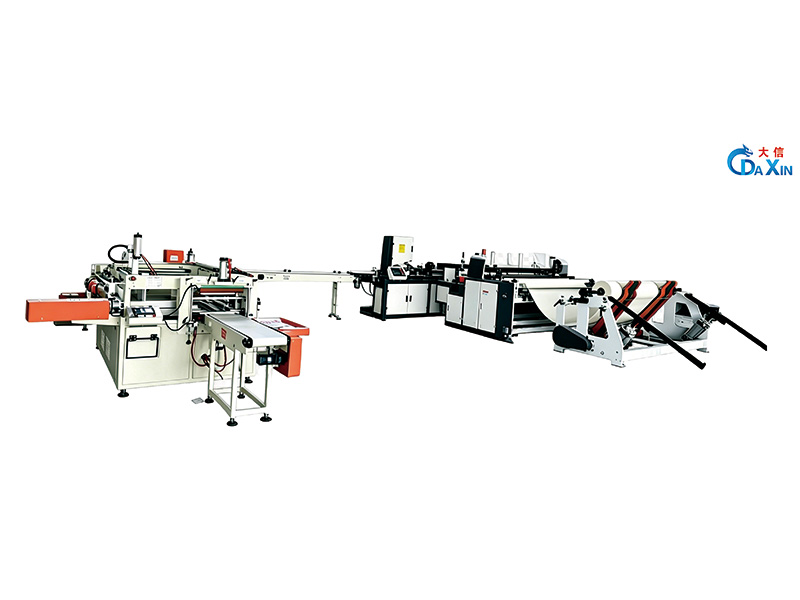
Every minute a line sits idle due to core or splice issues chips away at your output. Instead of treating these as routine interruptions, look at the moments where material gets threaded, aligned, or transferred. Smarter handling starts with rethinking how you stage cores and manage splice points before they become bottlenecks. Simple adjustments like pre-staging cores at the right height or using splice tables that let operators see the next joint clearly can cut changeover time by double digits.
The real gains come from reducing manual touches at every splice. When operators have to walk to find tape, re-thread a core that slipped, or wrestle with a misaligned splice bar, downtime multiplies. Straightforward fixes—like adding dedicated splice carts with all tools within arm's reach, or using core chucks that lock with one motion instead of three—keep the line moving. Even small changes, such as marking splice positions with laser lines instead of chalk, remove guesswork and hesitation.
Think about how your current setup forces decisions during a stop. If an operator has to choose between aligning the core or preparing the splice, you've already lost time. Smarter handling means designing the work zone so both can happen in parallel or in a natural sequence. Core shafts that pre-load from the side, splice bars that pivot into place, and clear visual guides for tape placement all contribute to faster, more consistent changeovers. Over a week of shifts, these small gains compound into hours of recovered production time.
Adapting to Different Paper Grades Without Sacrificing Output
Paper machines often face pressure to run a narrow set of grades for the sake of stability, yet real-world demand forces frequent switches between lightweight and heavyweight stocks, coated and uncoated surfaces, or recycled and virgin fibers. The key is not to treat each grade as an isolated recipe but to develop a shared control language that adjusts fiber blending, refining intensity, and dryer temperatures in a coordinated sweep. Operators who rely on fixed setpoints for every grade will inevitably see speed losses and broke spikes. Instead, building a matrix that maps grade-specific targets to the machine's dynamic ranges allows the line to shift from one product to another while keeping the sheet on the wire and the output near rated capacity.
One underappreciated lever is the forming section's response to drainage changes. A heavier grade may demand more retention aid, but simply dumping chemical additives rarely works; the real win comes from tweaking headbox consistency and jet-to-wire ratio in tandem. For lighter grades, lowering the rush/drag ratio by a few points can prevent pinholes without throttling the fan pump. These micro-adjustments, when pre-calculated and rehearsed during slow periods, let crews transition in minutes rather than hours. The result is a machine that feels less like a heavy industrial asset and more like a flexible tool, able to honor a mixed order book without the usual hidden cost of grade-change downtime.
Quality targets also shift with grade, but output need not suffer. For example, a mill running both high-brightness office paper and brown linerboard can share the same drying strategy by profiling the after-size press and adjusting calendar loads instead of slowing the reel. Similarly, converting a broke system to segregate coated broke from clean broke prevents cross-contamination that forces slower speeds on the next run. The real differentiator is not fancy equipment but disciplined grade-change logic: every operator knows the five or six critical parameters that move together for each stock, and management refuses to accept output losses as a 'normal' part of flexibility. When this mindset takes hold, the mill can chase profitable niche grades while still hitting its tonnage targets.
Real-World Throughput Gains from Upgraded Tension Control
Upgrading tension control on a converting line rarely grabs headlines, yet the downstream impact on throughput can be startling. In one packaging facility, replacing a dated pneumatic brake with a closed-loop digital system cut web breaks by nearly 40% during a single shift. Fewer breaks meant fewer stoppages, but the real gain came from operators trusting the line enough to push running speeds closer to the machine's rated limit without risking snap-offs. Within three weeks, average roll-to-roll cycle time dropped by 18%, and the line began absorbing overflow work from a sister plant.
The same pattern shows up in coating and laminating operations where tension spikes once forced conservative ramp-up profiles. After retrofitting load cells and auto-tuning drives, technicians observed that speed changes no longer produced the telltale edge flutter that used to trigger manual slowdowns. This allowed faster splice cycles and shorter ramp times between jobs. One plant tracking meters per hour saw a 22% improvement on short-run orders—precisely the jobs where frequent tension adjustments used to eat into productive time.
What often gets overlooked is how improved tension stability reduces hidden waste that silently caps throughput. Scrap from wrinkles, telescoping rolls, and registration drift falls sharply, meaning less rewinding and fewer rejected parent rolls. With less rework competing for line time, scheduling becomes more predictable. Over a quarter, these gains compound: higher average running speed, fewer unscheduled stops, and cleaner roll starts all translate into more sellable output without adding shifts or capital equipment.
Maintenance Habits That Keep Your Rewinder Running Longer
Most operators wait until something snaps or jams before touching their rewinder. But the machines that hold up over years aren't the ones getting emergency repairs—they're the ones getting small, consistent checkups. A quick visual sweep for uneven wear on rollers, a finger test for unusual vibration, and a listen for changes in motor pitch can catch trouble before it becomes downtime.
Lubrication schedules often get ignored when production pressure climbs. Yet skipping a single greasing cycle on the main shaft or tension arms can double the friction load and quietly eat away at bearing life. Better to set a recurring 15-minute maintenance window each week than to lose a full shift later. Write down what you lubricated, what looked marginal, and what you'll watch next time—those notes become your best early warning system.
Don't overlook the simple stuff: keeping photo eyes clean, checking air pressure for the core chucks, and making sure the slitting blades aren't dulling unevenly. Rewinders punish neglect in small, expensive ways. A habit of wiping down the anvil rolls after each job and verifying tension calibration every month costs almost nothing, but it routinely adds years to the machine's working life.
Measuring ROI Beyond the Initial Machine Price
Focusing solely on the sticker price of a machine is a quick way to miscalculate its true value. A cheaper unit might seem like a bargain until you factor in slower cycle times, higher scrap rates, or the need for constant babysitting by operators. The real ROI question isn't "how much did it cost?" but "how much more can it produce, and at what quality, over its entire service life?" Comparing machines on purchase price alone ignores the revenue side of the equation entirely.
Operational costs often dwarf the initial investment within the first few years. Energy consumption, consumables, routine maintenance, and unplanned downtime all chip away at profitability. A machine that costs 15% more upfront but uses half the electricity and requires fewer service calls can easily pay for itself in under two years. Smart buyers map out these recurring expenses before making a decision, because that's where the hidden ROI lives.
Resale value and flexibility add another layer to the calculation. Some equipment holds its market value well and can be sold or repurposed later, while other machines become expensive paperweights. Ask vendors for realistic projections on depreciation and uptime. Then run the numbers on total output, not just capital cost. The result is a more honest picture of what the machine will actually deliver over the next five or ten years.
FAQ
Focus on the maximum operating speed, the range of roll diameters it can handle, and how quickly it switches between jumbo rolls. A machine that reaches high speed but takes ten minutes to change a parent roll often produces less at the end of a shift than a slightly slower model with automated roll loading and splicing.
Servo drives give you precise control over web tension and acceleration, so lightweight tissue does not stretch or tear when the line speeds up. That stability lets you run consistently closer to the machine's rated speed, which is where real production gains come from.
Look for machines with automated core feeding, air-loaded shafts, and tail sealing that does not require constant operator intervention. Off-line core preparation and quick-change glue systems keep the line moving instead of waiting for manual steps that often become the hidden bottleneck.
If the frame and main drives are still solid, upgrading the control system, adding automatic tension regulation, or replacing the perforation unit can give a noticeable boost at a fraction of the cost. But when the frame limits roll width or the mechanical speed ceiling is too low, continuing to patch old equipment usually only moves the constraint somewhere else.
Keep an eye on blade sharpness for perforation and cutting, verify that air pressure for core shafts and tail sealers is within range, and clean dust from sensors and guides. Most slowdowns come from small neglected items—dull blades cause poor perforation and more breaks, while dirty sensors trigger false stops.
Automatic changeover shortens the time between finished log ejection and the start of the next winding cycle. On high-volume lines, saving even 15 to 20 seconds per change multiplies across hundreds of cycles per day, often adding several extra pallets of finished rolls without increasing line speed at all.
Conclusion
Many plants chasing higher output overlook the fact that rewinding precision often outweighs raw speed. A machine that rewinds slightly off-center creates uneven rolls, leading to jams, waste, and extra handling later. Smarter core and splice handling cuts changeover time significantly, and adapting tension settings to different paper grades keeps lines moving without sacrificing throughput. Upgraded tension control, in particular, delivers real-world gains—smoother winding, fewer web breaks, and consistent roll density even with lower-cost or recycled stock.
Beyond daily performance, maintenance habits determine how long that efficiency lasts. Routine checks on blades, belts, and sensors prevent small drifts from becoming costly downtime. And when evaluating a rewinder purchase, measuring ROI means looking past the initial sticker price: calculate labor savings from fewer interventions, reduced material waste, and the ability to run varied paper types on one line. These practical solutions—precision tuning, smarter handling, and disciplined upkeep—compound into higher production efficiency over the machine's full life.
Contact Us
Contact Person: Sam Xie
Email: [email protected]
Tel/WhatsApp: 86-18938538530
Website: https://www.daxin321.com/