

Semi-Automatic Solventless Laminating Machine Benefits You Should Know
2026-11-16
If you're still running a solvent-based laminating line, you're likely paying for it in ways that don't show up on the invoice—longer curing times, solvent handling, and rising environmental pressure. The semi-automatic solventless laminating machine flips that script. It combines fast job changeovers, lower energy use, and cleaner production without demanding a fully automated line. And when you look at the practical side, the benefits stack up quickly. XIAOPAI builds these machines with the kind of field-driven details that make the switch less risky and more rewarding. Here's what you should know before your next upgrade decision.
Adhesive Waste Drops When Metering Is Semi-Automatic
Many shops still treat adhesive overflow as an unavoidable cost, but semi-automatic metering flips that assumption. Instead of relying on hand pressure or visual guesswork, the system dispenses a set volume every cycle. That removes the biggest source of waste: oversized beads, overfilled joints, and the extra adhesive that gets wiped away after assembly.
Another quiet win comes from startups and purges. Manual setups often need long test runs before the bead looks right, sending usable material into a rag or scrap bin. Semi-automatic controls shorten that adjustment and keep the purge cycle tight, so you are not flushing half a cartridge just to get steady flow. Fewer mid-run corrections also mean fewer parts need rework or scraping.
The practical outcome is cleaner workstations and a lower waste count at the end of the shift, without leaning on operators to be more careful. The meter does the repeating, and that consistency shows up as less adhesive in the trash.
No Solvent Recovery System Needed on Your Floor
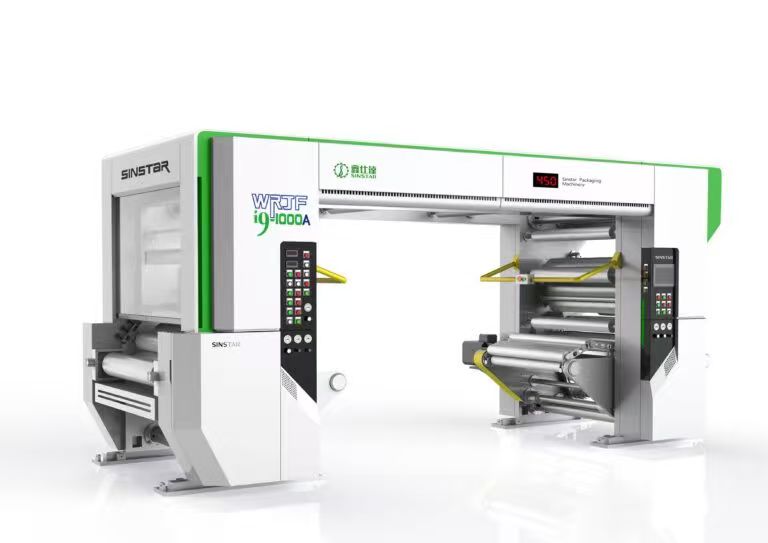
Traditional parts washers often demand a bulky solvent recovery unit that eats up floor space, adds plumbing complexity, and creates another maintenance headache. With this system, that entire apparatus disappears. The closed-loop design handles solvent purification internally, so the only thing sitting on your shop floor is the washer itself—nothing else to pipe, vent, or service.
Beyond saving square footage, eliminating the separate recovery module means fewer potential leak points and less risk of solvent exposure. Operators don't need to monitor a secondary tank or deal with manual distillate transfers. The machine keeps its working fluid clean automatically, extending solvent life while keeping the footprint minimal.
For facilities where every inch counts, this built-in approach shifts the focus back to cleaning parts rather than managing peripheral equipment. You get the same solvent longevity benefits without dedicating an entire corner of the workshop to auxiliary hardware.
Cleanup Shrinks From Hours to Minutes After Each Run
Running a full cleanup used to mean babysitting a stack of temporary directories, old logs, and half-written cache files. The process could stretch well into the afternoon, and it was easy to miss a path or delete the wrong timestamp. Now the cleanup step is part of the pipeline itself, triggered as soon as the run finishes.
The change came from replacing the manual checklist with a single job that scans for artifacts by age and pattern. Instead of waiting for someone to free up space, the job removes leftovers in parallel and retries quietly if a file is locked. What used to involve three people pinging each other now completes before the next coffee is poured.
That shift changes how often the team is willing to run the suite. A clean environment no longer feels like a scarce resource, so reruns happen without hesitation. Most runs end with the workspace already reset, which means the next attempt starts from the same state instead of inheriting yesterday's clutter.
Thinner Adhesive Layers Keep Packaging Crystal Clear
Adhesive layers have long been a hidden culprit behind cloudy packaging. Even a slight excess of glue can scatter light as it passes through film, creating a haze that dulls colors and blurs text. By reducing the adhesive to a fraction of its former thickness, manufacturers let the substrate itself do the visual work. The result is a window-like finish that makes products appear closer to the consumer.
The shift toward thinner adhesives did not happen overnight. Early formulations sacrificed bond strength for clarity, leading to edge lifting and delamination. Modern chemistry closes that gap with cross-linking polymers that maintain grip at just a few microns. These ultra-thin layers also reduce the chance of visible glue lines along seams, which used to betray the presence of lamination altogether.
For brands, the payoff is immediate on the shelf. A clear package allows frozen foods, electronics, and cosmetic sets to show their true colors without a milky film. Thinner adhesive layers also tend to resist yellowing over time, so the package keeps its crisp, transparent look well after leaving the store. It is a small change that quietly reshapes the entire presentation.
Short-Run Jobs Turn Profitable Without Long Setup
Many small-batch operations fail not because the work itself is unprofitable, but because setup is treated as unavoidable downtime. When changeover time drops, the math flips. Standardized tooling, quick-change fixtures, and pre-set parameters mean the crew spends its time making parts instead of preparing to make them. A run of thirty or forty pieces can then carry a solid margin without inflating the quote.
The real shift is organizing the workspace for repetition. If the next job's tools, programs, and materials are already staged before the current one finishes, the handoff becomes routine. Operators stop guessing at settings and start relying on written notes that actually match what's on the machine. That discipline removes the hidden hours that used to eat small-batch profits.
There's also a pricing advantage. When you can turn a short run around quickly and consistently, buyers stop treating it as a special favor and start seeing it as a standard service. They'll pay more per piece for 50 units in three days than for 5,000 units next month. Short-run work stops being a break-even chore and becomes a dependable revenue stream once the setup burden is gone.
One Operator Can Manage the Entire Laminating Line
Running a full laminating line used to demand constant attention at multiple stations. Here, the entire process folds into a single control interface, so one person can monitor tension, temperature, and feed alignment without walking the floor. Alarms and automatic corrections handle the repetitive adjustments that once required extra hands.
What makes solo operation practical isn't just remote monitoring—it's that the machine responds before small issues become stoppages. Roll changes, adhesive levels, and trim removal are sequenced to minimize physical involvement. The operator sets the job parameters, and the line paces itself, freeing that person to focus on quality checks rather than chasing each subsystem.
For plants dealing with tight labor schedules, this isn't a small convenience. One trained operator can cover what previously took three or four, with fewer handoffs and less miscommunication. The result is a smoother shift, lower labor cost per unit, and a line that keeps moving without waiting for someone to arrive at the right spot.
FAQ
A semi-automatic unit takes the guesswork out of tension control and adhesive metering, so you get consistent bond strength without needing an expert operator at every shift. It's the middle ground between fully manual and fully automatic lines, giving you better output quality without a massive capital jump.
You skip the drying ovens and solvent recovery systems entirely, which slashes energy consumption and floor space. Plus you're not buying or storing solvents, so both your consumable spend and your compliance burden drop noticeably.
Most models let you dial in nip pressure and coating weight per job, and because there's no solvent to evaporate, you can switch from thin PET to thicker aluminum foil without long drying-time adjustments. It's more forgiving than solvent-based lines when you're running short batches.
Yes, that's one of its biggest selling points. Solventless adhesives leave no residual solvents in the laminate, so the final structure meets strict food-contact migration limits more easily. You also avoid flammable solvent vapors in the production area.
It's simpler than you'd expect. The main tasks are cleaning the metering rollers and changing adhesive filters regularly. Because there's no dryer or solvent recovery unit, you eliminate a whole category of heat-related and solvent-handling maintenance headaches.
Absolutely. Short runs are where solventless semi-automatics shine—you waste less material during setup, and you don't need to keep a large inventory of solvents. The lower energy use and reduced floor space also make it easier to fit into an existing plant without a major retrofit.
You remove solvent emissions almost completely, which means better indoor air quality for your team and fewer VOC reporting obligations. Since there's no drying stage, the machine also uses far less energy per square meter of laminate produced.
It's manageable. The machine automates the tricky parts—adhesive ratio, coating weight, tension—so operators mainly monitor web alignment and roll changes. Most teams get comfortable within a couple of weeks, especially with a supplier that offers on-site training.
Conclusion
Switching to a semi-automatic solventless laminating line changes how a shop handles adhesive from the first job. Because metering is controlled instead of left to manual guessing, you stop flushing excess adhesive down the drain at the end of every shift. There is also no solvent recovery unit taking up floor space or demanding routine checks, which frees up room for other equipment and removes a steady maintenance cost. After a run, cleanup no longer means scrubbing rollers for hours. The solventless setup lets you wipe down and be ready for the next job in minutes, and that alone keeps smaller crews from falling behind.
Thinner, more consistent adhesive layers give you packaging that stays clear instead of turning hazy under certain lighting, a detail customers notice on retail shelves. Short-run work becomes practical because you are not spending half a day setting up between orders. With faster changeovers and less waste, those small batches finally carry a reasonable margin. One operator can watch the whole line, adjusting tension and metering without running back and forth, which means labor costs stay low even when the order list gets long. Together these changes make the semi-automatic solventless laminator feel less like a machine purchase and more like a way to run a tighter, cleaner, more profitable operation.
Contact Us
Contact Person: Kellen Chen
Email: [email protected]
Tel/WhatsApp: 8613806536768
Website: https://www.cnxiaopai.com