

Retrofit Glass Door Factory Upgrades That Modernize Commercial Spaces
2026-11-24
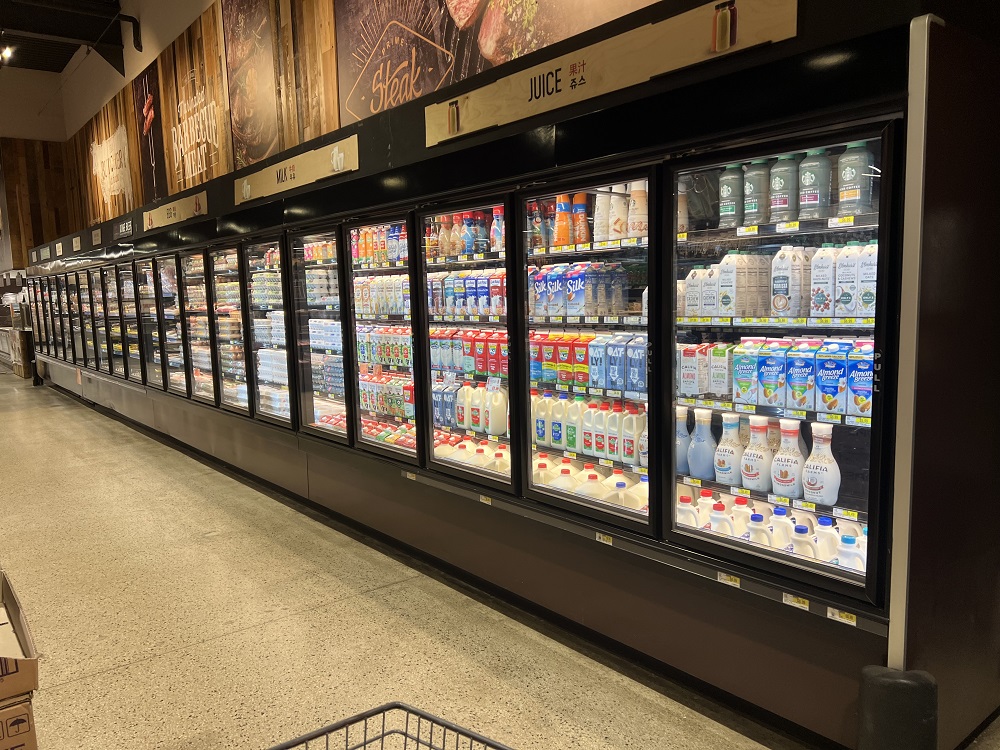
That fogged glass door and tired commercial cooler don’t have to stay that way. Retrofit glass door factory upgrades are quietly transforming outdated storefronts, walk-ins, and display cases into clean, energy-smart spaces without the cost of a full replacement. ART brings factory-level precision to these modernizations, helping businesses update their commercial environments with doors that seal tighter, look sharper, and perform better. The result is a space that feels current the moment customers walk in.
The Door Pull Is the First Handshake
A door pull rarely announces itself. You reach for it mid-sentence, one hand still holding a phone or a set of keys, and the first thing you learn about the building arrives through your palm. A thin, hollow handle tells you to be careful. A solid brass bar, slightly warmed by the afternoon sun, tells you the place expects to be taken seriously.
This is why the handshake metaphor holds. Before anyone greets you, before the lobby or the hallway says anything at all, the pull sets the tone. Its weight, its radius, even the resistance of its spring can make a visitor feel welcomed, hurried, or quietly judged. Good architects know that this small piece of hardware is not an afterthought; it is the first sentence of a conversation.
There is also a practical intimacy here. A well-made pull accommodates wet hands, gloved fingers, and the absent-minded reach of someone who has not yet decided if they belong. When that detail is right, people do not notice the object. They simply feel that the building has already offered them something steady.
Why Retrofit Frames Outlast a Full Replacement
Retrofit frames often outlast a full replacement because they are engineered to mate with the existing opening rather than fight it. A full replacement tears out the old frame, disturbing surrounding materials and often revealing hidden rot, uneven studs, or shifting that then demand corrective work. A retrofit, by contrast, is measured and fabricated to nest inside the current frame, which means the load path remains stable and the new unit does not inherit a fresh set of structural surprises.
The longevity advantage also comes from material continuity. When an old frame is left in place and properly prepared, it acts as a settled, dried, and dimensionally stable base. New wood or metal in a full replacement still needs to acclimate, shrink, and settle, which can open gaps or bind moving parts within the first few seasons. Retrofit frames bypass this break-in period, so seals stay tighter and hardware alignment remains true for longer.
Field experience shows that the failure point in many replacements is not the sash or glass but the junction between new frame and old rough opening. Retrofits shrink that junction to a simple, continuous perimeter. Fewer transitions mean fewer places for water to pool, air to leak, or fasteners to work loose. That simple reduction in complexity is often why a retrofit keeps performing years after a full replacement would have needed adjustment.
Thermal Breaks That Cut the Lobby Draft
Most lobby drafts aren’t really an HVAC problem. They start at the mullion line where an uninterrupted aluminum frame carries winter cold straight past the vestibule. A thermal break in that extrusion does the quiet work: it interrupts the conductive path so the indoor face of the frame stays closer to room temperature, and the stack-driven airflow near the entrance loses its chill.
The same logic applies below the handrail and under the threshold. Continuous insulation tucked through the sill and a thermally broken door shoe keep the floor from turning into a cold strip that pulls air across the seating area. When those small separations are detailed properly, the pressure difference at the revolving door stops behaving like an open window.
The result is less about adding heat and more about removing the cold surfaces that drive air movement. Lobbies begin to hold still, the automatic doors stop fluttering with every gust, and the front desk no longer needs a space heater aimed at the ankles.
Quieter Closers Keep Morning Traffic From Echoing
Most of the noise in the morning doesn't come from voices or footsteps. It comes from the sharp snap of a door hitting its frame, then the sound bouncing down the corridor and into the units around the stairwell. Upgrading the hardware to a slower, cushioned closer takes that edge away. The last inch of travel gets absorbed instead of slammed, so routine exits stay low and brief.
The change is subtle but noticeable. Residents on the second and third floors no longer brace for the echo that used to follow the first wave of commuters. Because the closers are adjusted to close firmly without racing, the hallway keeps its quiet even when several doors are used within the same ten-minute window.
Consistency is what keeps it working. Older closers drift out of adjustment over time, leaving some doors heavy and others quick to swing shut. The quieter hardware holds its timing across every entry, so morning traffic passes through the building without turning the corridor into an echo chamber.
Low-Iron Glass Makes Storefront Colors Look True
Low-iron glass removes the faint green cast found in standard float glass, letting a storefront display every product in its true palette. That subtle difference matters most for fashion, cosmetics, and specialty foods, where even a slight tint can mute a red, shift a neutral, or make fresh produce look dull. By using a purer silica blend with reduced iron oxide, the glass stays optically clear across the full visible spectrum.
The result is a sharper contrast between inside and outside: window shoppers see garments, signage, and interior finishes without a color veil. At night, the effect is just as important, since warm accent lighting no longer gets filtered through a greenish layer. Many retailers pair low-iron panels with minimal framing so the storefront reads as one clean, uninterrupted plane of light.
Beyond color accuracy, the clarity also increases visual connection. Passersby perceive fewer reflections and more depth, which makes a narrow storefront feel larger and more inviting. For any brand where material texture or exact dye lots drive purchase decisions, the switch from standard to low-iron glass is a quiet but effective upgrade that supports the products rather than competing with them.
Motion Entry Without a Full Automation Overhaul
Upgrading an entrance does not have to mean ripping out the existing door, rewiring the control cabinet, or replacing every piece of hardware. A motion entry retrofit can be added directly to a swing door or sliding gate with a compact sensor and a standalone drive unit. The sensor picks up approaching foot traffic or wheeled equipment, signals the drive to engage, and the door opens without forcing a full structural change. This kind of targeted addition works well in older buildings, loading areas, and service corridors where a complete overhaul would be too disruptive or too expensive.
Unlike a full automation project, this approach leaves the original door frame, hinges, and locking hardware largely intact. The motion trigger and motorized opener are mounted onto the existing setup, often within a few hours. Because the drive module can be adjusted for opening speed and force, it avoids putting unnecessary stress on older door panels. For facility managers, that means less downtime, fewer trade coordination headaches, and a more predictable installation cost.
In daily use, the detection range and hold-open time can be tuned to match how people actually move through the space. Some entrances only need one-way activation to prevent false triggering from passersby, while others benefit from dual-side sensing. A manual override can also be kept in place for times when the door should stay open or remain locked. By layering motion control onto the existing entrance, the space becomes easier to navigate without committing to a large-scale automation retrofit.
FAQ
Storefronts, office lobbies, restaurants, and small hotels usually see the biggest change. They rely on clear sightlines and daily foot traffic, so a worn frame or fogged panel is immediately noticeable to visitors.
It usually means replacing the moving hardware, reseating or swapping the glass unit, upgrading the track or pivot system, and adding a slimmer frame profile. The opening stays the same, but the door operates more smoothly and lets in more daylight.
A cleaner threshold and a wider pane of glass make the entrance feel less like a barrier. The interior and exterior connect more naturally, which helps smaller lobbies feel taller and retail windows feel more open.
They are partly aesthetic, but the practical gains matter more. Better seals reduce drafts, modern tracks stop sticking or slamming, and code-compliant hardware improves access for people with mobility issues.
Low-iron glass removes the green tint, while low-E coatings control heat without making the space dark. For noisy streets, acoustic laminated glass keeps the clarity but cuts down on traffic sound.
In most cases, yes. The surrounding frame or sidelites can stay in place while the door leaf, hinges, sweep, and closer are swapped. It is faster than a full replacement and usually causes less disruption to business hours.
A standard single or double entry can often be completed within a day once the replacement panels are fabricated. Larger storefronts with multiple doors or custom finishes may take two to three days, depending on framing conditions.
Conclusion
Most storefront upgrades begin with a detail that gets touched more than looked at: the door pull. A factory-finished replacement with the right weight and diameter makes the entry feel deliberate before anyone reads a sign. The same logic applies to the frame. Retrofit frames are built to wrap the existing opening without disturbing surrounding masonry, and in many commercial spaces they will outlast a complete replacement because they are sized to carry the door’s load without forcing the wall to settle into new stress points. That small shift in how the hardware meets the building is often what keeps a glass door from drifting out of alignment after a year of heavy use.
Comfort inside the lobby changes just as much from what is not noticed. A thermal break added to the frame cuts the cold draft that used to pool near the reception desk, while a quieter closer takes the bang out of early-morning arrivals and keeps the hallway from turning into an echo chamber. When the storefront itself is refreshed, low-iron glass makes the colors of merchandise, signage, and interior finishes read cleanly instead of carrying the faint green cast of ordinary glazing. For buildings that need easier access, motion entry can be added at the frame level without a full automation overhaul—new sensors and operators fit into the existing setup so the door responds to traffic without a construction project. Together these are not flashy changes, but they reset the way a space feels on the way in and the way out.
Contact Us
Contact Person: Ellen
Email: [email protected]
Tel/WhatsApp: +86-535-2229725
Website: https://www.artrefrigeration.com/