

Optimize Your Wire Production with a Custom Reduction Mill for Round Wire
2026-02-12
In the competitive world of wire manufacturing, efficiency and precision aren't just goals—they're necessities. That's why choosing the right equipment, like a GRM custom reduction mill for round wire, can transform your production line from standard to standout. This blog explores how innovative solutions tailored to your needs can optimize performance, reduce waste, and enhance product quality. Ready to see what's possible? Let's dive in.
Enhancing Wire Production Efficiency with Tailored Reduction Mills
Optimizing wire production isn't just about speed—it's about precision and adaptability. Tailored reduction mills step in to tackle the unique challenges that standard mills often miss, such as inconsistencies in wire diameter or material-specific handling issues. By customizing the reduction process to suit specific alloys or production volumes, manufacturers can reduce scrap rates and improve overall throughput, ensuring that each coil meets exact specifications without compromising on efficiency.
What sets these mills apart is their ability to integrate seamlessly with existing production lines, offering configurations that range from single-pass setups for high-strength wires to multi-stage reductions for finer gauges. This flexibility allows operators to fine-tune parameters like roll pressure and feed rates on the fly, minimizing downtime and adapting quickly to shifting market demands. As a result, factories can maintain a steady flow of high-quality wire while cutting energy consumption and operational costs.
Beyond the immediate gains in productivity, tailored reduction mills foster long-term reliability by reducing wear on machinery components and enhancing process control. With real-time monitoring and predictive maintenance features, they empower teams to preempt bottlenecks and address potential issues before they escalate. This forward-thinking approach not only boosts output but also supports sustainable manufacturing practices, making it a smart investment for modern wire producers aiming to stay competitive in a dynamic industry landscape.
Key Advantages of Custom Reduction Mills for Round Wire Output
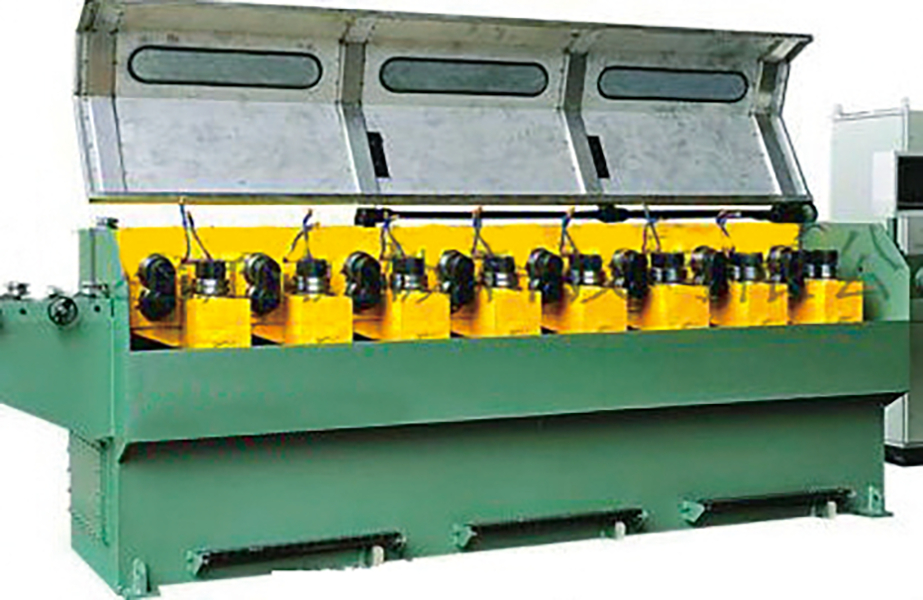
When it comes to producing round wire, opting for a custom reduction mill offers significant benefits tailored to your specific needs. Unlike off-the-shelf solutions, these mills are designed from the ground up to handle precise diameter reductions, ensuring consistent wire quality and minimal surface defects. This customization allows for adjustments in reduction ratios, speed controls, and material handling, which can enhance production efficiency and reduce waste. By fine-tuning these parameters, manufacturers can achieve tighter tolerances and smoother finishes, meeting demanding industry standards without compromise.
Another key advantage lies in the flexibility to integrate specialized features, such as advanced cooling systems or automated lubrication, which optimize the wire's mechanical properties and prolong equipment life. Custom mills can be adapted for various metals, including copper, steel, and aluminum, making them versatile for diverse applications from electrical wiring to structural components. This adaptability not only streamlines operations but also supports scalability, enabling businesses to expand output without sacrificing precision or reliability.
Moreover, investing in a custom reduction mill often leads to long-term cost savings by minimizing downtime and maintenance issues. Since the mill is built to your exact specifications, it can incorporate robust components and user-friendly controls that enhance operator safety and productivity. This tailored approach ensures that every aspect of the wire output process is optimized, delivering superior results that stand out in competitive markets.
Design and Integration Steps for a Personalized Wire Reduction System
Crafting a personalized wire reduction system demands a methodical approach, where the initial design phase must dive deep into the user's specific environment and pain points. Rather than offering a one-size-fits-all solution, we begin by analyzing factors like the types of devices connected, the frequency of cable movement, and the spatial constraints of the setup. This tailored assessment ensures that the system not only organizes wires but also enhances functionality and accessibility, setting the stage for a seamless integration that feels custom-built rather than generic.
Integration kicks off with a strategic mapping of wire pathways, prioritizing both aesthetics and practicality. We focus on creating discreet channels and using modular components that can adapt to future changes—think magnetic cable guides or flexible conduits that blend into the surroundings. This step involves iterative testing to validate that the system minimizes clutter without compromising device performance, ensuring that each wire is routed efficiently to avoid tangles and improve safety, all while maintaining a sleek, almost invisible presence in the user's space.
The finalization of the system emphasizes ongoing personalization, incorporating user feedback to refine wire management over time. By utilizing smart labels, color-coded ties, or digital tracking tools, we empower users to easily identify and adjust cables as their needs evolve. This dynamic approach not only reduces initial wire mess but also fosters a sustainable solution that evolves with the user, making it stand out in a market often flooded with static, temporary fixes.
Real-World Applications and Success Stories in Wire Optimization
Wire optimization has revolutionized industries by streamlining electrical and data transmission systems, yielding tangible benefits in cost reduction and performance enhancement. For instance, in the automotive sector, manufacturers like Tesla have integrated advanced wire optimization techniques to minimize vehicle weight and complexity, resulting in improved energy efficiency and faster assembly times. These innovations not only boost sustainability efforts but also enhance user experience through features like seamless connectivity.
In telecommunications, companies such as Verizon have leveraged wire optimization to upgrade network infrastructures, achieving higher bandwidth and reduced latency in 5G deployments. This has enabled smoother video streaming and more reliable IoT applications, demonstrating how targeted optimization can drive industry-wide advancements. Success stories from these projects often highlight substantial savings in maintenance and operational costs, making it a cornerstone of modern tech strategies.
Beyond traditional sectors, wire optimization plays a key role in emerging fields like aerospace, where SpaceX uses it to design lighter and more efficient spacecraft wiring harnesses. This contributes to significant fuel savings and enhanced payload capacity, showcasing how precise engineering can lead to groundbreaking achievements. By sharing these real-world examples, organizations inspire broader adoption and foster innovation in wire design and management.
Comparing Custom vs. Standard Mills: Cost and Performance Insights
When deciding between custom and standard mills, the cost comparison often tips the scales. Standard mills are typically more affordable upfront due to mass production efficiencies, making them a go-to for businesses with tighter budgets or those seeking quick deployment. However, custom mills, though pricier initially, can lead to significant long-term savings by being precisely tailored to specific operational needs, reducing waste and downtime. It's a classic trade-off: pay less now and potentially more later with standard options, or invest upfront in a custom solution for optimized efficiency.
Performance-wise, custom mills shine by offering superior adaptability to unique materials or complex processes. They're engineered from the ground up to meet exact specifications, which can enhance productivity and output quality in specialized industries like aerospace or pharmaceuticals. In contrast, standard mills might fall short in such niche applications, as they're designed for general use. But for routine tasks, their reliable, off-the-shelf performance can be more than sufficient, avoiding the complexities of over-engineering. Ultimately, the choice hinges on whether your operations demand a bespoke fit or can thrive with established standards.
Beyond cost and performance, user experience plays a crucial role. Custom mills often come with dedicated support and easier maintenance, as they're built with your setup in mind, whereas standard mills might require more adaptation and generic troubleshooting. This can impact overall operational smoothness and employee satisfaction. Weighing these factors holistically helps businesses make informed decisions that align with both financial constraints and production goals.
Maintenance and Upkeep Tips for Your Custom Wire Reduction Setup
Consistent maintenance is key to ensuring your custom wire reduction setup operates at peak performance and longevity. Start by developing a routine inspection schedule that includes checking for any signs of wear on the dies, rollers, and tensioning components, as even minor irregularities can escalate into costly downtime. Keep a detailed log of your observations and any adjustments made, which helps in predicting potential failures before they disrupt your workflow.
Lubrication plays a critical role in minimizing friction and preventing overheating in the reduction mechanism. Use manufacturer-recommended lubricants specific to your setup's materials, and apply them sparingly but regularly to avoid buildup that could attract debris. Always wipe down excess lubricant with a clean cloth to maintain a clean working environment, which also reduces the risk of contaminants affecting wire quality.
Don't overlook the importance of calibrating your setup periodically to ensure it meets your precise reduction specifications. Minor shifts in alignment or tension can lead to inconsistent wire diameters, so recalibrate using reliable measurement tools and reference your initial setup parameters. Engage with user communities or forums to share insights on unique maintenance challenges, as hands-on tips from peers often reveal practical solutions not found in manuals.
FAQ
A custom reduction mill allows for precise diameter adjustments, reducing material waste and enhancing product consistency, which boosts overall efficiency in wire manufacturing.
By tailoring the reduction process, it minimizes surface imperfections and ensures uniform tensile strength, leading to higher-quality wire that meets stringent industry standards.
Yes, it optimizes energy use and decreases downtime by streamlining operations, resulting in significant cost savings over time.
This mill is ideal for various metals like copper, aluminum, and steel, commonly used in electrical, automotive, and construction applications.
Implementation can vary, but with proper planning, it often takes a few weeks to integrate smoothly without major disruptions to ongoing operations.
Regular calibration and specialized part replacements may be needed to maintain precision, though durable designs help minimize long-term upkeep.
Key factors include production volume, wire diameter ranges, material properties, and integration with existing machinery to ensure a tailored fit.
It enhances scalability by allowing adjustments for different batch sizes and materials, making it easier to adapt to changing market demands without overhauling equipment.
Conclusion
Custom reduction mills offer a game-changing solution for optimizing round wire production, delivering significant enhancements in efficiency by tailoring the milling process to specific material properties and output requirements. Unlike standard one-size-fits-all approaches, these personalized systems allow precise control over diameter reduction, improving wire quality, reducing waste, and accelerating throughput. Key advantages include superior surface finish, enhanced mechanical properties, and the flexibility to adapt to various alloys and sizes, ensuring consistent, high-performance output that meets stringent industry standards. By integrating advanced design elements and seamless automation, manufacturers can streamline operations and boost productivity, making custom mills a strategic asset in competitive wire production.
Implementing a custom wire reduction system involves careful planning, from initial design and integration steps to ongoing maintenance, but the payoff is evident in real-world applications where companies have achieved remarkable cost savings and performance gains. Success stories highlight how tailored setups overcome production bottlenecks, enhance durability, and minimize downtime, while comparisons with standard mills reveal long-term economic benefits despite higher upfront costs. Regular upkeep, guided by expert tips, ensures sustained efficiency and extends equipment lifespan, making custom mills a smart investment for those seeking to optimize their wire production with precision and reliability, ultimately driving innovation and market leadership.
Contact Us
Contact Person: Rayna
Email: [email protected]
Tel/WhatsApp: 86 -173 1474 6343
Website: https://www.grmrollingmill.com/