

LED Headlight Bulb Company: Essential Tips for Finding a Reliable Brand
2026-10-04
Searching for a reliable LED headlight bulb brand can feel like navigating a dark road without high beams. With countless options promising superior brightness and longevity, how do you separate genuine performance from empty marketing? In this guide, we'll break down the essential tips for finding a trustworthy manufacturer—and why LUXFIGHTER has become a standout choice among drivers who refuse to compromise on visibility and durability.
Decode the Spec Sheet Without Falling for Inflated Numbers
A contrast ratio of 1,000,000:1 sounds dramatic until you realize it was measured in a dark room with dynamic backlight tricks that crush shadow detail. The base number rarely matches what you'll see at home with ambient light, streaming compression, and factory settings left untouched.
Battery capacity is another favorite for creative rounding: 5,000 mAh in a thin phone often translates to less screen-on time than a 4,200 mAh cell with cleaner power management and a more efficient chip. Check for real-world tests, not just the cell's label.
Speaker wattage follows the same pattern. A 300-watt soundbar can struggle in a medium living room if the figure is peak power with 10% distortion, while a 60-watt RMS unit may sound fuller and cleaner. Distortion thresholds and continuous ratings are the specs that actually reach your ears.
Look Under the Hood at Thermal Management Design
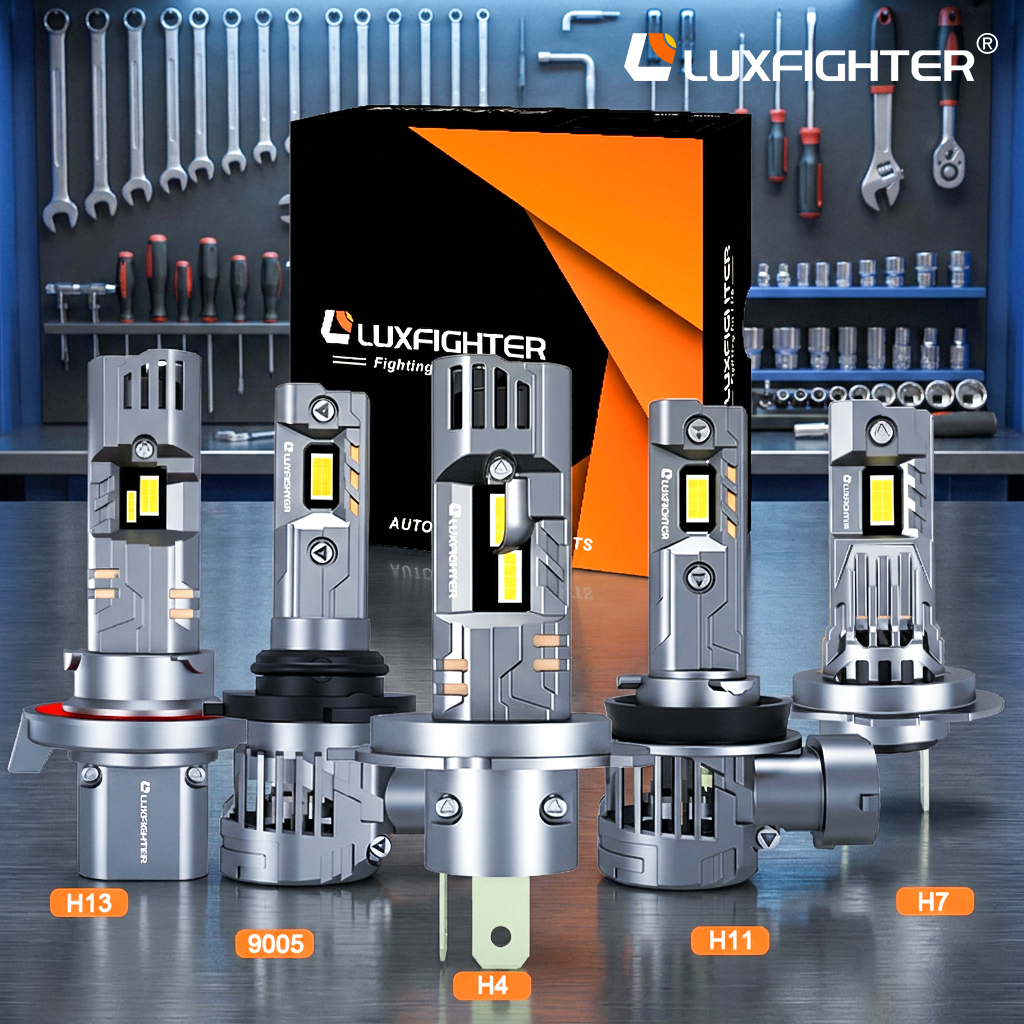
Most discussions of thermal management stop at radiator size or fan count, but the real work happens in the flow paths you never see. Coolant doesn't simply circulate; it gets routed through narrow channels around cylinder heads, turbocharger housings, and e-motor windings, each with a different heat rejection requirement. Designers map hot spots with infrared cameras and adjust baffles, jet plates, and split cooling circuits so that no single area soaks while another runs cold.
In hybrid and electric platforms, the challenge shifts to battery packs and power electronics. Cells perform best within a surprisingly tight temperature band—often 20°C to 35°C—so engineers embed cooling plates between modules and use dielectric fluids for direct immersion in some high-performance packs. The pump, valve, and control logic matter as much as the hardware: a well-tuned system can redirect heat to the cabin in winter or pre-condition the pack before fast charging, which cuts thermal stress and extends cell life.
Match Color Temperature to How You Actually Drive
Most drivers pick bulbs based on what looks cool in a parking lot, then wonder why they struggle to tell a pothole from a shadow on a rainy back road. If your night driving is mostly slow urban crawl with streetlights, the blue-white 6000K+ bulbs might feel stylish but they wash out contrast on wet asphalt. A 4300K to 5000K range gives your eyes a break and keeps curbs, pedestrians, and potholes visible without turning every reflective sign into a blinding mirror.
If you regularly run unlit highways or mountain passes, lean warmer rather than cooler. 3000K to 4300K cuts through fog, dust, and heavy rain far better than the icy blue end of the spectrum. Save the 6000K look for projector retrofits and dry, clear nights where you just want the front end to pop. Match the kelvin number to the worst conditions you actually face, not the photo you want to post.
Seek Out Independent Longevity Evidence, Not Just Claims
Most longevity advice arrives wrapped in confident claims—pills that promise to lengthen telomeres, diets that supposedly reverse aging, supplements backed by a single enthusiastic researcher. The problem is that a claim, no matter how polished, is not evidence. Independent evidence means data collected and analyzed by groups without a financial stake in the outcome: university labs, government-funded trials, or meta-analyses that pool results from many studies. If the only research supporting a product comes from the company selling it or from a paywalled journal with no replication, treat that as a starting point, not a conclusion.
To separate signal from noise, look for longevity findings that have survived replication and outside scrutiny. Check whether the original result has been confirmed by separate teams using different populations or methods. Be wary of studies that rely on surrogate endpoints—like a temporary change in a blood biomarker—without showing any effect on actual lifespan or healthspan. Also pay attention to conflicts of interest listed at the end of papers; a long list of industry ties doesn't automatically invalidate research, but it should raise the bar for what you accept. Real longevity evidence tends to accumulate slowly, with many independent groups converging on the same conclusion over years, not in a single press release.
Read the Warranty Like You Expect to Use It
Most people skim the warranty only after something breaks, which is exactly the wrong time to discover what isn't covered. If you actually expect to use the product daily, treat the warranty as a map of weak points: what parts fail first, what the company considers normal wear and tear, and how long they're willing to stand behind the materials. Look for exclusions around hinges, batteries, seals, or software support—those are the areas where a cheap fix can become an expensive replacement.
Pay attention to the language around "lifetime" or "limited" guarantees. A lifetime warranty often means the expected lifetime of the product in their spreadsheet, not your life. If the fine print caps it at three years or excludes shipping costs both ways, you might be better off buying from a brand with a shorter but clearer promise.
Before you check out, ask yourself one question: if this thing fails on day 91, can I afford to fix or replace it without help? If not, the warranty isn't a bonus—it's part of the purchase price, and you should read it with that much attention.
Ask Owners About Real-World Beam Cutoff and Glare
Grab a flashlight and walk around your car at night? No—better to find owners who have already installed the exact units you are considering. Ask them directly: after a few weeks of driving, does the beam cutoff stay crisp, or does it develop a fuzzy halo that scatters into oncoming lanes? Factory projectors tend to keep a clean line, but aftermarket LEDs or HID kits often need shimming or rotation to avoid blinding everyone.
Do not settle for a bright-looking photo. Ask whether they have been flashed by other drivers on low beams, or whether they had to lower the aim more than expected after loading the trunk. Real-world glare also shows up in rain, fog, or on undulating roads—conditions where a sharp cutoff can suddenly bounce into someone's eyes. Owners who have driven through a few storms can tell you if the beam pattern stays predictable.
A quick message in a forum or owners group saves you the trial and error. Ask for a short video against a garage door at 25 feet, then a follow-up after a month. The honest answer about beam cutoff and glare is not in the marketing copy—it is in the moments when you crest a hill and wait to see if the oncoming driver squints.
FAQ
Look at how long they've been in the automotive lighting industry and whether they specialize in LED technology rather than treating it as a side product. A company that focuses on one thing tends to have better quality control.
Ask for independent photometric test reports instead of relying on marketing numbers like '50,000 lumens'. Reputable brands will provide real measured output, beam pattern diagrams, and lux readings at specific distances.
Not necessarily. Some premium pricing covers fancy packaging and advertising. Compare the warranty length, heat dissipation design, and customer support responsiveness. A mid-priced bulb with a five-year warranty often beats an expensive one with a one-year warranty.
Heat kills LED chips quickly. Look for bulbs with copper-core circuit boards, aviation-grade aluminum housings, and built-in cooling fans or passive heat sinks. If the brand doesn't explain how they handle heat, that's a red flag.
Reviews matter, but filter out those that only mention 'easy install'. Look for long-term feedback about beam pattern, color consistency after six months, and whether the bulbs triggered any dashboard errors. A reliable brand will have a pattern of positive comments over years, not just weeks.
Yes, especially if you drive a European car. A dependable company will provide vehicle-specific fitment guides, include CAN bus adapters or decoders where needed, and offer technical support if your car throws a bulb-out warning.
A no-hassle replacement warranty of at least three years is a good sign. Avoid brands that require you to ship the defective bulb back at your own cost before sending a replacement. The best ones send a new pair immediately and only ask for a photo of the issue.
Conclusion
Finding a trustworthy LED headlight bulb company isn't about chasing the highest lumen count on the box. A lot of inflated specs collapse once you understand how those numbers are measured in ideal lab conditions, not on a hot, vibrating vehicle. Before you buy, dig into how the bulb handles heat — solid thermal management, like copper-core boards or active cooling fans, tells you more about real lifespan than any marketing claim. Also, be honest about your own driving: a bluish 6500K beam might look modern in a parking lot, but if you spend hours on dark, rainy backroads, a warmer 4300K or 5000K option often gives you better contrast and less eye fatigue.
Beyond the specs, look for evidence that isn't just the brand talking. Independent longevity tests, forum threads with high-mileage updates, and owner photos of actual beam patterns matter far more than a polished product page. Pay attention to how the warranty is written — if it's full of exclusions or requires professional installation records for a simple bulb swap, that's a red flag. And don't ignore the most practical question: do other drivers flash you because of glare, or does the cutoff stay clean against the factory housing? A reliable company will have a track record of owners praising not just brightness, but beam control. That combination of honest thermal design, appropriate color temperature, verifiable durability, and real-world cutoff performance is what separates a dependable brand from a short-lived gimmick.
Contact Us
Contact Person: Gavin Chen
Email: [email protected]
Tel/WhatsApp: (+86)756-6831079
Website: https://www.luxfighter.com/