

Laser Hair Removal Glasses Factory: Crafting Premium Protective Eyewear for Safe Treatments
2026-06-23
Imagine stepping into a laser hair removal clinic, where precision meets safety. Behind every successful treatment is not just advanced machinery but also a pair of reliable protective eyewear. At a specialized factory dedicated to crafting premium laser safety glasses, innovation and quality control come together to shield eyes from harmful wavelengths. Introducing LASERPAIR, a brand that redefines eyewear standards by blending cutting-edge optical technology with ergonomic design. But what truly sets these glasses apart from the rest? Let's delve into the meticulous craftsmanship and rigorous testing that make LASERPAIR the go-to choice for clinics worldwide.
Why Eye Protection Matters During Laser Hair Removal
Laser hair removal relies on concentrated beams of light, and that same light can easily wreak havoc on unprotected eyes. When a laser targets melanin in the hair follicle, any stray beam reflected off skin, mirrored surfaces, or even a watch can bounce into the eye. The retina doesn't feel pain, so damage can happen without you realizing it – a retinal burn can occur in a fraction of a second. That's why certified clinics insist on specific safety goggles designed to absorb the exact wavelengths used.
Beyond acute injury, repeated exposure without proper shielding can contribute to cumulative damage. Low-level scattered light might not cause immediate blindness, but it can gradually degrade vision, accelerate cataract formation, or create persistent floaters. Think of it like staring at an eclipse: you might not notice the harm at first, but your optometrist will years later. For the person holding the laser, the risk is even higher – operators in poorly managed salons often report eye strain, light sensitivity, and a measurable decline in visual acuity over time.
The blacked-out goggles you see aren't just for show; they're engineered to filter out the dangerous spectrum while allowing safe visibility. But not all eyewear is equal – the protection must match the laser type (alexandrite, diode, Nd:YAG). Even closing your eyes or using regular sunglasses offers little defense, as eyelids transmit significant amounts of laser light. The takeaway? If a technician downplays eye safety or hands you flimsy glasses, walk away. Your eyes are literally irreplaceable.
Inside Our Manufacturing: Precision and Care
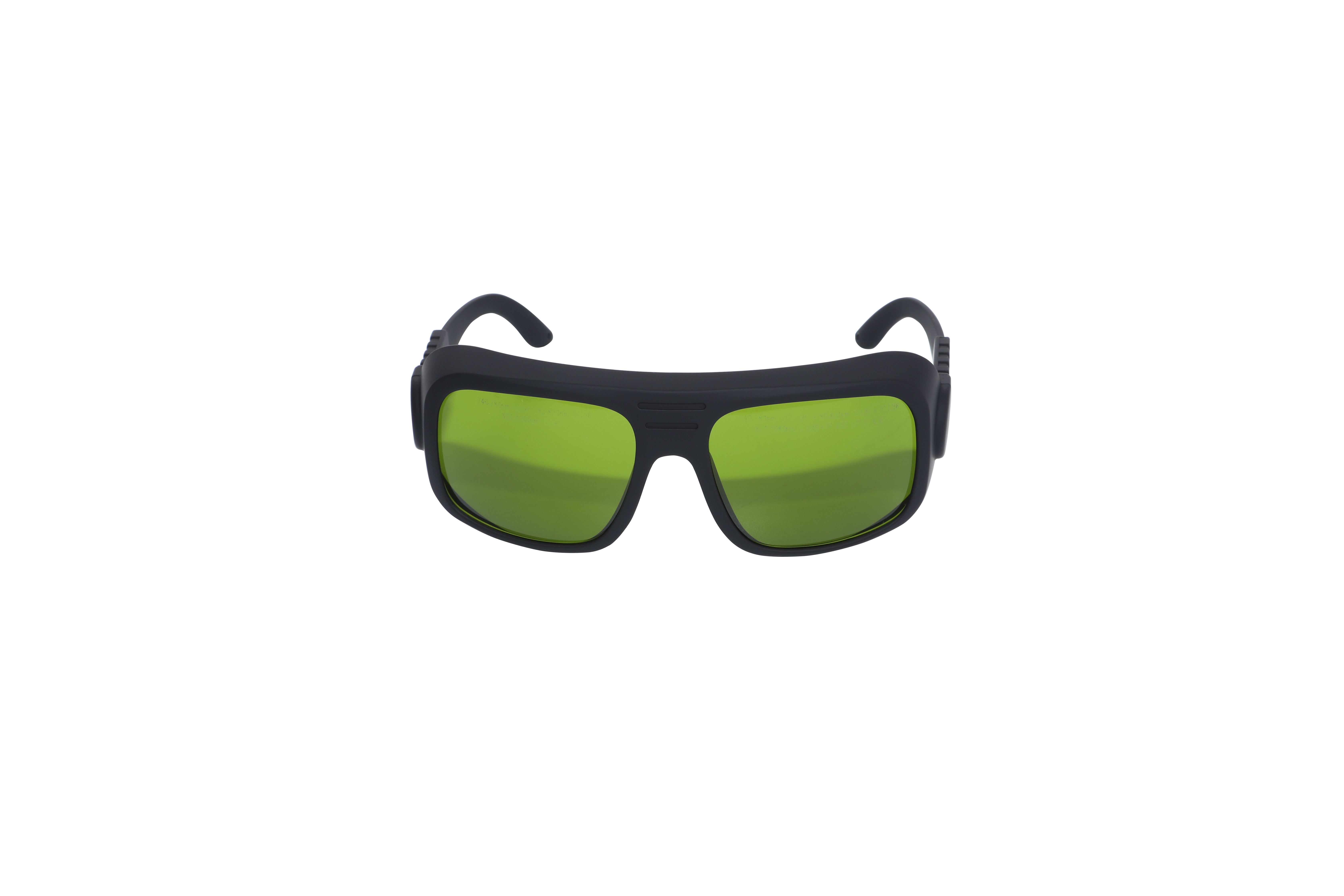
Every component that leaves our facility carries the invisible signature of skilled hands and meticulous attention. It begins not with machinery, but with a mindset—a shared understanding that precision is not a target, but a habit. Our production floor hums with a quiet intensity, where seasoned technicians calibrate instruments with the kind of focus that turns raw materials into trusted allies for industries that can't afford to compromise.
There's a certain rhythm to our process, one that blends advanced automation with human intuition. Automated systems handle repetitive tasks with micron-level consistency, but it's the engineers who pause to inspect a surface finish or listen for an off-kilter sound that really define our quality. This dance between technology and touch ensures that every batch meets standards that go beyond blueprints—standards rooted in a genuine respect for the end user.
Care, for us, is measured in the details most would overlook. From the way we store raw materials in climate-controlled environments to the final hand-polishing that removes even the smallest burr, nothing is left to chance. It's this blend of obsessive precision and deliberate care that makes our manufacturing not just a process, but a promise—a promise that what you receive isn't just functional, but built with an artisan's soul.
Materials That Make a Difference
It’s easy to overlook the quiet revolution happening under our feet and in the walls around us. Materials like self-healing concrete, infused with bacteria that awaken when cracks appear, are turning what was once science fiction into a routine repair. Instead of tearing out crumbling infrastructure, this concrete simply patches itself, slashing maintenance costs and cutting the carbon footprint of constant rebuilding.
Then there’s the shift toward packaging grown rather than manufactured. Mycelium, the root network of fungi, can be molded into sturdy, compostable forms that replace Styrofoam. After protecting your new laptop, it doesn’t linger in a landfill—it breaks down into soil nutrients within weeks. It’s a material that borrows nature’s circular logic and quietly reshapes our relationship with waste.
Designing for Comfort and Full Coverage
Comfort and coverage are not opposing forces—they can coexist beautifully when design choices are intentional. It begins with understanding how fabric behaves against the skin and moves with the body. A well-planned garment doesn't merely conceal; it creates a sense of ease that lets the wearer forget about the clothes and focus on living. From curved hemlines that provide extra length where needed to strategically placed darts that shape without restriction, every element works toward a feeling of being securely held without being confined.
The magic often lies in subtle construction details—dolman sleeves that allow a full range of motion, layered panels that add interest while ensuring modest coverage, or adjustable closures that let the wearer personalize the fit. Fabrics with a hint of weight and drape offer natural coverage that doesn't cling awkwardly, while soft linings eliminate transparency concerns. Necklines are designed to sit perfectly, neither gaping nor constricting, and armholes are shaped to move with you rather than against you. These quiet considerations transform a garment from something you wear into something you reach for instinctively.
Ultimately, designing for full coverage doesn't mean sacrificing style or breathability. It's about creating pieces that feel like a second skin—protective yet liberating. When every seam, pleat, and fiber is chosen with intention, the result is clothing that honors the body's need for both freedom and modesty. The approach respects individual comfort levels without drawing attention to the mechanics of coverage, proving that thoughtful design is felt rather than seen.
Meeting Global Safety Standards
Navigating the maze of international regulations demands more than a checklist approach. Our products are built from the ground up to align with key frameworks like IEC, ISO, and regional directives. Instead of retrofitting compliance, our engineering teams integrate safety requirements into early design phases, ensuring that every component—from circuitry to casing—meets the necessary benchmarks before a prototype is even assembled.
We maintain rigorous in-house testing labs that simulate a wide range of real-world conditions, including extreme temperatures, voltage fluctuations, and mechanical stress. This hands-on approach allows us to catch potential issues long before third-party audits, giving us the confidence to say our devices don't just pass certifications—they often exceed them. Our track record of zero critical non-conformities across dozens of facility inspections speaks to the culture of accountability we've fostered.
Beyond the paperwork and certifications, meeting global safety standards is about earning trust. We view compliance not as a hurdle, but as a continuous dialogue with regulators, customers, and the evolving landscape of safety science. By staying ahead of proposed changes and actively participating in standards development committees, we ensure that our products remain reliable guardians of human well-being, wherever they are used.
Choosing the Right Glasses for Your Practice
Every practice has its own rhythm and visual demands. The glasses that keep you comfortable through a long surgery won't be the same pair that helps you connect with patients across a desk. Start by mapping out your typical day—notice when eye strain creeps in, which distances you rely on most, and how lighting shifts between rooms. This simple audit often reveals that a single pair rarely does it all.
Prioritize lens technology that works the way you do. If you're constantly switching between a computer screen and face-to-face conversations, an occupational progressive lens might offer the seamless range you need without the swim effect of general-purpose progressives. For detailed near work, consider a dedicated pair with a wider reading zone and a slight boost in magnification. And don't underestimate the power of a premium anti-reflective coating—it cuts through harsh exam room lights and makes eye contact clearer, which matters more than you'd think.
Frame design shouldn't be an afterthought. Lightweight titanium or flexible memory metal can handle the rigors of a busy clinic without digging in during a twelve-hour shift. Look for adjustable nose pads and temple tips that stay put when you lean over a patient. If you wear loupes or headlamps, test how the frame integrates with those tools before committing. The right pair feels like a natural extension of your workflow, not a distraction you're constantly adjusting.
FAQ
Without proper eye shielding, both the practitioner and the client risk serious retinal damage from scattered or direct laser light. High-quality glasses are engineered to filter specific wavelengths, ensuring that only safe light reaches the eyes while maintaining clear vision throughout the procedure.
Every pair goes through rigorous in-house testing for optical density and wavelength coverage. The manufacturing process includes multiple inspection stages, from raw material verification to final lens transmission checks, so only fully compliant eyewear leaves the facility.
Absolutely. Factories can equip the eyewear with interchangeable filters or fixed lenses precisely tuned to the nanometre range of Alexandrite, Diode, Nd:YAG, or IPL devices. This customisation prevents one-size-fits-all compromises in protection.
The lenses are typically moulded from impact-resistant polycarbonate with hard coatings to resist scratches and chemical exposure. Frames combine lightweight TR-90 or flexible titanium for all-day comfort without compromising structural integrity.
Design elements like adjustable nose pads, rubberised temple tips, and balanced weight distribution prevent pressure points. Ventilation channels or anti-fog treatments also reduce lens misting, which is critical during back-to-back appointments.
Clean lenses only with microfiber cloths and approved solutions to avoid coating damage. Store them in padded cases away from direct heat or humidity. Regular inspections for frame alignment and lens pitting help catch early wear before it degrades protection.
Conclusion
When undergoing laser hair removal, the eyes are particularly vulnerable to intense light pulses that can cause permanent damage. That’s why high-quality protective eyewear isn’t just an accessory—it’s a medical necessity. At our factory, we produce glasses specifically engineered to block harmful wavelengths while maintaining visibility for practitioners. Every pair is crafted with meticulous precision, from initial design to final assembly, ensuring consistent optical clarity and reliable protection. We use advanced materials, such as polycarbonate lenses with specialized coatings, that absorb and reflect laser radiation effectively without compromising on sturdiness or lightweight comfort.
Beyond safety, wearability is crucial. Our eyewear is designed for extended use, featuring ergonomic frames that fit snugly yet comfortably, and wrap-around styles that provide full orbital coverage. We integrate soft nose pads and adjustable temples to accommodate different face shapes. All products undergo rigorous testing to meet international safety standards, including ANSI Z136.1 and CE certification, giving practitioners confidence during every treatment session. When selecting glasses for your clinic, consider the specific laser wavelengths you use, the fit for your team, and the reputation of the manufacturer. Our commitment is to deliver eyewear that combines protection, comfort, and durability, so you can focus on safe, effective treatments.
Contact Us
Contact Person: Jenny
Email: [email protected]
Tel/WhatsApp: +86 13537713281
Website: https://www.laserpair-safety.com/