

Laser Hair Growth Helmets: How to Choose a High-Quality One for Visible Results
2026-07-08
Struggling with thinning hair can feel like a losing battle, but the right laser hair growth helmet might just turn the tide. With so many options flooding the market, how do you separate genuine solutions from empty promises? This guide digs into what really matters—from light density to clinical backing—so you can spot a high-quality device that delivers visible results. And if you’re ready to see what innovation looks like, brands like GUANG TAI are pushing the boundaries of at-home hair restoration. Let’s cut through the noise and find the helmet that finally works for you.
Laser Diodes vs. LEDs: Why the Difference Matters for Hair Growth
At first glance, laser diodes and LEDs might seem interchangeable—they both emit light, after all. But the way they generate and deliver that light couldn't be more different. A laser diode produces coherent, monochromatic light: the waves are in phase, tightly focused, and centered on a single wavelength. An LED, on the other hand, spits out incoherent light over a broader spectrum, scattering it in all directions. That coherence and purity aren't just technical jargon; they directly influence how deeply the light penetrates the scalp and interacts with hair follicles.
When it comes to stimulating hair growth, depth matters. Laser light stays organized as it passes through the skin, reaching the follicle bulbs where cellular activity needs a boost. The monochromatic beam delivers a precise dose of photons to the mitochondria, revving up ATP production without wasting energy on wavelengths the tissue doesn't absorb well. LEDs scatter too quickly, losing intensity before they reach the deeper dermal layers. That's why studies on low-level light therapy for hair loss often single out laser diodes as more effective—they pack a focused punch that triggers the desired biological response more reliably.
That said, LEDs aren't useless. They can cover a larger surface area and are gentler on the skin, making them a decent option for maintenance or mild thinning. But if you're after tangible regrowth, the concentrated, coherent output of laser diodes tends to deliver more consistent results. It's not about one being inherently “better” than the other—it's about matching the tool to the job. For kickstarting dormant follicles and thickening existing hairs, the difference in light quality really does tip the scales.
Wavelength and Power Density: The Science Behind Effective Helmets
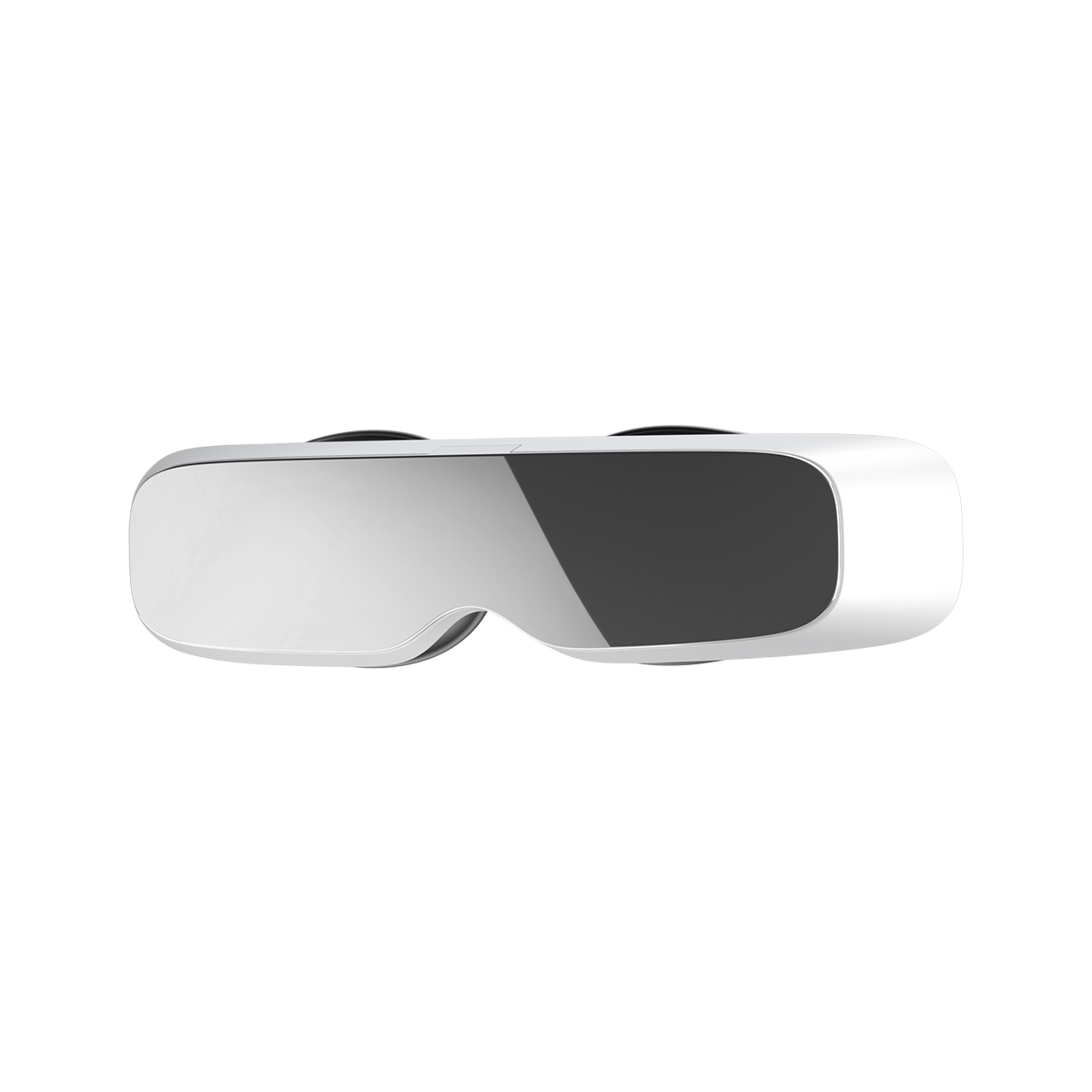
Ever wondered why some helmets promise hair restoration while others barely make a difference? It all comes down to two core principles: wavelength and power density. The first, wavelength, determines how deep the light travels into the scalp. For meaningful follicle stimulation, you need light that can reach the dermal papilla—typically in the red to near-infrared range, around 630 to 670 nanometers. Anything shorter gets absorbed by surface layers; anything longer may scatter too diffusely to trigger the desired cellular response.
Then there's power density, often overlooked but equally critical. Simply put, it’s the amount of light energy delivered per unit area over time. If the power density is too low, the cells never receive the photonic “nudge” needed to jumpstart the anagen phase. Too high, and you risk generating heat rather than a therapeutic effect, which can damage tissue. The sweet spot for most clinical devices hovers between 30 and 60 milliwatts per square centimeter. It’s this precise balance that separates a well-designed helmet from a piece of plastic with LEDs.
When these two factors align—the right wavelength matched with optimal power density—you get a device that can revive sluggish follicles without discomfort or downtime. The science isn’t just about flooding the scalp with light; it’s about delivering the right kind of light in exactly the right amount. That’s why the most effective helmets are engineered with dense arrays of laser diodes or high-quality LEDs, positioned to overcome natural obstacles like hair density and the curvature of the skull. Understanding this interplay helps you see through marketing hype and focus on what actually works.
The Crowning Factor: How Many Diodes Do You Really Need?
The question of how many diodes you actually need isn't just a matter of stacking more for the sake of it. There's a sweet spot where performance, cost, and complexity all line up, and crossing it often brings diminishing returns. Think of it like seasoning a dish—a pinch brings out the flavor, but too much ruins the balance.
In many circuits, a single diode handles rectification or protection elegantly, while in others, a parallel array might be tempting for current sharing. Yet, real-world devices aren't perfectly matched, so one diode in the group often bears the brunt, making the extra components little more than expensive ballast. Understanding the load profile and thermal limits is what separates a robust design from an overbuilt one.
Sometimes, the best answer is hidden in the datasheet's fine print or a quick thermal simulation. Instead of chasing a magic number, experienced engineers size the diode count based on worst-case scenarios, derating guidelines, and the fact that failures rarely happen when you plan for the extreme, not the average. After all, it's the crowning detail that makes the circuit reliable, not the component count.
Safety Certifications and Clinical Backing: Separating Hope from Hype
Walking through a store or scrolling online, it’s easy to feel overwhelmed by products plastered with badges and bold claims about safety tests and clinical proof. The language sounds reassuring, but beneath the surface, the depth of that backing can vary wildly. Some brands lean on in-house research that never sees the light of peer review, while others sprinkle certification logos that come from pay-to-play schemes rather than rigorous, independent evaluation. The gap between a genuine commitment to safety and a clever marketing façade often comes down to how willing a company is to let outsiders scrutinize their data.
True clinical backing isn’t just about having a study on file; it’s about the quality, scale, and transparency of that research. A single, small trial funded by the manufacturer doesn’t carry the same weight as multiple, independent studies published in respected journals. Similarly, safety certifications from recognized bodies—think UL, CE, or FDA clearance—indicate a product has met specific, verifiable standards, not just a rubber-stamp approval. Looking past the surface means asking: Who conducted the tests? Were the methods sound? Is the data public? If a company hesitates to share those details, that’s often a signal that the backing is more about optics than substance.
The real safeguard against hype is a healthy dose of curiosity and a refusal to take claims at face value. It’s about valuing a trail of evidence over a smooth tagline. Some manufacturers openly publish their test reports and invite third-party audits, while others hide behind vague references to “clinically proven” without context. When you dig into the documentation, the contrast becomes stark: one approach builds trust through transparency, the other depends on hope filling in the gaps. Recognizing that difference can transform how you evaluate what’s truly worth believing.
Comfort, Coverage, and Consistency: Design Features That Boost Results
When a product feels good to use, people naturally stick with it longer. Comfort isn’t just about soft materials or ergonomic curves—it’s about reducing friction in every interaction. Thoughtful padding, intuitive button placement, and weight distribution all play a part in making the experience seamless. A device that sits well in the hand or against the body invites repeated use, turning a one-time trial into a daily habit.
Coverage is where many designs fall short, leaving users frustrated with dead zones or weak spots. Real coverage means anticipating how someone actually moves through their day, not just lab-ideal scenarios. Whether it’s the spray pattern of a nozzle, the signal reach of a sensor, or the surface area of a treatment head, consistent coverage eliminates guesswork and builds trust. Users shouldn’t have to contort themselves or devise workarounds to get full benefit.
Consistency ties everything together—it’s the quiet promise that every session delivers the same satisfying result. Without it, even the most comfortable, broad-coverage design feels unreliable. This comes down to tight manufacturing tolerances, smart firmware that adjusts output on the fly, and materials that don’t degrade unevenly. When people know what to expect, they’re far more likely to weave the product into their routine without a second thought, and that steady usage is what truly drives outcomes.
Smart Features and Treatment Tracking: Modern Tools for Real Progress
Imagine waking up to a gentle reminder from your phone, not just to take your medication, but with a personalized insight about how consistent you've been over the past month. These aren't just digital alarms—they're intelligent systems that notice patterns, like when you always forget your midday dose and suggest a better schedule. They become a quiet partner in your routine, adapting to your life instead of demanding you adapt to them.
What truly sets modern tools apart is their ability to look beyond the checklist. Instead of merely confirming you swallowed a pill, some apps connect symptoms with actions, revealing that your morning stiffness tends to ease after the Tuesday injection or that your energy improves when you stick to the evening routine. This isn't cold data—it's a story about your body's responses, one that you and your doctor can read together to fine-tune your plan without weeks of waiting for the next appointment.
The real progress happens when these tools break down the isolation of managing a condition. Picture a secure platform where you can instantly share a fluctuation in your symptoms with your care team, and receive an adjustment suggestion the same day. It transforms treatment from something that happens to you into something you navigate with support, turning every tracked detail into a stepping stone toward feeling more in control.
FAQ
Low-level laser therapy (LLLT) emitted by the helmet penetrates the scalp to energize hair follicles. This boosts blood flow and cellular activity, moving follicles from a dormant phase back into an active growth cycle. It's a non-invasive way to encourage thicker, healthier hair over time.
Look for medical-grade diodes, not cheap LEDs, and a wavelength around 650–670nm which is clinically proven for hair growth. Adequate diode count and coverage matter, but so does build quality—comfortable fit, adjustable settings, and safety certifications like FDA clearance. Avoid kits that skimp on power or use vague marketing instead of specification sheets.
Check for independent clinical studies or third-party testing, not just the company's own claims. Reliable helmets often have FDA clearance for hair loss, which means safety and efficacy data were reviewed. Real customer before-and-after photos with consistent lighting and angles also help, and look for durable materials that don't feel like a cheap accessory.
Most people notice reduced shedding within the first few months, but visible regrowth can take 3–6 months of consistent use. Results are gradual—thicker, denser hair, not a dramatic overnight transformation. It works best for early to moderate hair thinning, and maintaining results requires ongoing sessions a few times per week per the manufacturer's guidelines.
LLLT is generally very safe, with no heat or UV radiation. Some might experience a mild scalp sensation or temporary redness, but serious side effects are rare. It's not recommended for those with active scalp infections, open wounds, or photosensitivity conditions. Always consult a doctor if you're uncertain, especially if hair loss stems from an underlying medical issue.
Helmets offer a drug-free, hands-off solution with no daily application and minimal risk of absorption into the bloodstream. They target follicles directly without hormonal side effects sometimes linked to finasteride. However, they work on a different mechanism and can complement topicals—some users combine both for synergistic results. Success really varies per individual.
Sessions are usually 15–30 minutes, 3–4 times a week. The helmet needs to be kept clean, but there are no consumables or refills. Diode lifetime often exceeds several thousand hours, so a well-built helmet can last for years with normal use. The main commitment is time, not upkeep.
Not necessarily. A high price tag doesn't guarantee more diodes or better results if the specs aren't right. You're paying for proven technology, material comfort, and reputable customer support. Sometimes mid-range models with solid clinical backing outperform overpriced ones with flashy ads. Focus on the specs that matter rather than just cost.
Conclusion
When shopping for a laser hair growth helmet, it's easy to get lost in the marketing, but the real difference comes down to the light source. Medical-grade laser diodes are the gold standard, delivering coherent light that penetrates the scalp more effectively than LEDs. While some devices pad their specs with hundreds of LEDs, those don't offer the same photobiostimulation needed to wake up dormant follicles. Look for a helmet that uses true laser diodes, ideally operating around 650–670 nm wavelength—the sweet spot for hair growth—and with enough power density (measured in J/cm²) to reach the follicle base without causing heat buildup. Diode count is another key metric: around 80 to 100 laser diodes tends to provide thorough coverage without being overpriced gimmickry.
Beyond the technology, real-world results hinge on design and credibility. A top-tier helmet will have FDA clearance or CE marking, plus clinical studies backing its claims—don't settle for vague "lab tested" labels. Comfort matters too; the device should fit snugly yet gently, treating your entire crown without hot spots or pressure points. Built-in timers, automatic shut-off, and even companion apps that track your sessions can turn a good helmet into a great one, helping you stay consistent, which is the ultimate secret to visible regrowth. By checking these boxes, you can cut through the noise and invest in a tool that genuinely supports your hair restoration journey.
Contact Us
Contact Person: Leon Yi
Email: [email protected]
Tel/WhatsApp: +86 17363316873
Website: https://zzgt.en.alibaba.com/