

Heavy Duty Mixer Truck Washing Machine Fabrication Techniques for Long Lasting Performance
2026-11-18
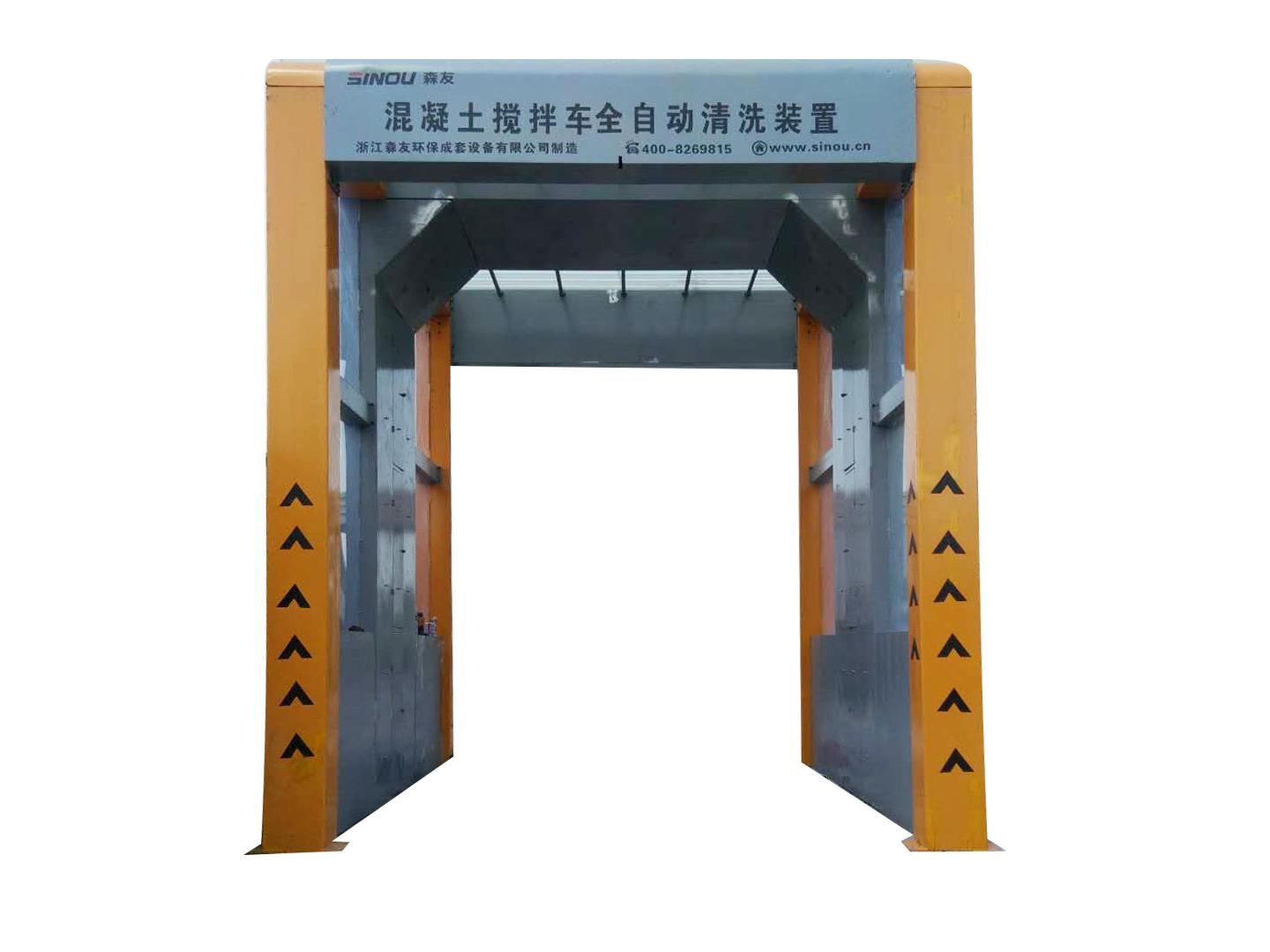
If you have ever watched a heavy-duty mixer truck pull out of a concrete plant with hardened residue clinging to its drum, you already know why proper washing isn’t optional. The real question is how the washing machine itself survives months of grit, water, and vibration without falling apart. At Sinou, long-lasting performance is treated as a fabrication challenge first, not an afterthought. That means frame geometry, weld placement, and material thickness are judged by the same standards as the trucks they clean. Here is a closer look at the techniques that separate a mixer truck washer built for daily abuse from one that simply looks tough on paper.
Reinforced Base Frames That Handle Constant Wheel Loads
A base frame that sees daily wheel traffic needs more than just thick steel. The trick is placing reinforcement where stress actually concentrates—around the mounting points and along the load path where casters or wheels transfer force into the structure. By adding gussets at the corners and a center spine that runs perpendicular to the typical travel direction, the frame resists twisting and stays flat under repeated rolling loads, even when the floor has small irregularities.
Fatigue is the real enemy with constant wheel loads. A frame that feels strong on day one can develop micro-cracks near welds after months of back-and-forth movement. To counter this, we use continuous welds on the underside of the top plate and avoid abrupt changes in section thickness. This spreads stress over a longer distance instead of letting it spike at a single joint. The result is a frame that doesn't just survive a rated load test—it holds up to the slow, relentless wear of everyday use.
Wheel type also changes how the frame should be reinforced. Hard wheels, like steel or phenolic, transmit more shock directly into the base, so they demand better energy absorption in the form of ribbing or a slightly thicker top plate. Softer polyurethane wheels are gentler but can still cause localized denting if the steel underneath isn't stiff enough. Matching the reinforcement pattern to the wheel material and expected travel frequency keeps the frame from developing a permanent smile or sag in the middle.
Protecting Wash System Controls From Overspray and Vibration
Overspray has a way of creeping into enclosures that look sealed on paper. Start by replacing any open-bottom or louvered covers near wash zones with gasketed, NEMA-rated enclosures, and route cables through liquid-tight fittings rather than standard knockouts. Even a small gap around a button or a bent door corner will pull in mist over repeated cycles, so check the condition of every seal before assuming the panel is protected.
Vibration is just as hard on controls because it works through fatigue rather than direct impact. Mount PLCs, relays, and touch panels on vibration-isolating brackets or rubber standoffs, and leave enough slack in wiring harnesses so connectors are not flexed at the same point every cycle. Pay particular attention to components mounted directly to the wash frame; a bracket that looks rigid at idle can turn into a spring once the pump is running.
A simple field check catches most failures before they become downtime. Run the wash cycle with panels closed, then open them and look for the faint moisture line where mist has collected, and mark any cable that moves more than a few millimeters during operation. It is cheaper to reseal an enclosure or add one damping pad now than to chase an intermittent fault after a night shift.
Spray Nozzle Placement for Full Drum Coverage Without Waste
Getting even coverage inside a rotating drum starts with nozzle spacing, not just pressure. When nozzles are too far apart, dry bands form near the ends and along the seams; too close, and the spray overlaps enough to create dripping and chemical runoff. A practical starting point is to place flat-fan nozzles at a distance equal to roughly one-third of the drum diameter from the surface, then adjust the angle so the spray pattern reaches the full width without climbing past the rim.
The second detail that often gets overlooked is the spray angle in relation to drum rotation. Aiming the fan slightly against the rotation helps the droplets meet fresh surface instead of chasing material that is already moving away. For most open-head drums, a 15 to 25 degree offset from vertical keeps the wash or coating inside the shell while still hitting the sidewall and bottom corner where buildup tends to start.
Finally, check the outer edges under real operating conditions. A quick way to waste product is to run the nozzles at full flow while the drum is only partially filled. Mounting the nozzles on a short adjustable rail makes it easier to pull the pattern inward when the liquid level drops. That one adjustment often cuts overspray more than changing nozzle type, because the waste is usually coming from the last few inches of the spray pattern, not the center.
Coating and Sealing Methods That Resist Chemical Erosion
Chemical erosion rarely starts with a visible crack; more often it begins as a slight softening or gloss loss where a spilled reagent sits longer than expected. Coatings built around high-crosslink-density epoxies, novolac phenolics, or fluoropolymer dispersions slow this process because their molecular networks leave fewer open pathways for solvents and acids to travel. The trick is not simply choosing a product labeled chemical resistant but matching the coating's cure mechanism to the exposure cycle—thermal swings, splash versus immersion, and cleaning routines all change which resin holds up.
Sealing works on a different principle. Instead of building a thick barrier, a penetrating silane, silicate, or lithium-based sealer moves into the pore structure and reacts with the substrate to form a water-repellent, chemically stable layer just below the surface. This approach suits concrete or masonry where surface films tend to peel from vapor pressure. For harsher environments, a two-part polyurethane or polyurea seal coat can bridge small shrinkage cracks while retaining enough flexibility to avoid brittle failure when chemicals attack the edges of control joints.
Application details usually matter more than product chemistry alone. A coating applied over laitance, dust, or damp substrate will fail long before its chemical resistance is tested. The most dependable systems combine mechanical profiling, moisture checks, and a primer or tie coat that prevents the chemical barrier from becoming a trapped layer. When the film is uniform and the edges are sealed properly, even aggressive exposures like acetic acid, methanol, or sodium hypochlorite tend to cause gradual wear rather than sudden breakdown.
Drive Roller Alignment to Reduce Long-Term Frame Stress
Misalignment rarely announces itself. It shows up months later as a hairline crack near a mounting plate or a wear pattern that doesn't match the belt's travel. Checking drive roller parallelism against the frame rails takes less time than most people expect, yet it's often skipped until something else fails. Use a straightedge or laser alignment tool across the roller faces, and record the measurements rather than trusting a quick visual pass.
Small angular errors multiply under repeated load. A roller sitting just a degree or two out of square pushes the belt sideways, loads one bearing more than the other, and twists the side frame every time tension cycles. Over months, that low-grade twist settles into permanent deformation. Shim or adjust the roller mounts so the shaft centers sit at equal distance from a fixed reference point on both ends, then run the belt for a few minutes and recheck because new belts can shift initial settings.
Frame stress rarely comes from a single large overload. It is the accumulation of slight misalignment, repeated thousands of times, that fatigues welds and bolt holes. Setting the drive roller correctly keeps rolling resistance even and prevents the frame from working against itself. If you take over maintenance on an older machine, make this one of the first things you inspect, not because it is quick, but because it explains so many downstream problems.
Building Drainage and Debris Removal Into the Wash Structure
Sloping the floor toward a central trench is only half the job. The real test comes when mud, leaves, and gravel ride in with the water and start settling wherever velocity drops. A well-planned wash bay treats the slab as part of the drainage system, not just a surface that happens to get wet.
Place catch basins where the wash water actually slows down, and size the outlets for the debris you expect rather than the clean-water flow rate. Removable baskets or settling pits in front of the main drain keep heavier material from packing the pipe. If access is tight, a narrow channel with a slotted cover can still pull solids aside before they reach the pump or outfall.
Regular cleaning gets easier when the structure itself directs debris toward a known collection point. A slight cross slope, rounded corners instead of sharp angles, and enough headroom under the grate all reduce the number of times someone has to break out a shovel or call for a jetting crew.
FAQ
Thicker plate forming and full-penetration welds at high-stress joints usually make the biggest difference. The drum and chassis should be straightened before welding to avoid locked-in stress, and gussets need to be placed where vibration from the truck engine and water pump tends to concentrate.
Wear-resistant steel such as Hardox works well for scrub zones and lower panels, while stainless steel is often reserved for nozzles, rails, and areas that stay wet. Mild steel can still be used for the main frame if it receives a proper phosphate pre-treatment and a two-part epoxy topcoat.
Cross-bracing around the pump platform and a box-section base frame help stop twisting when trucks move in and out. Mounting points for water tanks and hose reels should be sleeved or reinforced, not just bolted through thin plate, because those areas see repeated impact and vibration.
A blast-cleaned surface followed by a zinc-rich primer and a high-build polyurethane topcoat generally performs better than wet paint alone. Edges and drilled holes need extra stripe coats because that is where rust starts once the galvanizing or primer gets chipped.
Poor fit-up forces the welder to over-weld or fill large gaps, which creates distortion and trapped slag. When edges are beveled and cleaned properly, even a standard MIG weld gives consistent penetration with fewer fatigue cracks later.
Control cabinets should be gasketed and mounted away from direct spray, with cable entries at the bottom or through sealed glands. Pressurizing the cabinet slightly or adding a simple drip loop keeps moisture from traveling along wiring into sensors and contactors.
The wash gantry or side brushes should be mounted on isolated pivots rather than rigid brackets, and the structure should allow a small amount of flex. Using slotted holes at the base connections and rubber-bushed pins absorbs the shock when a large truck bumps the guides.
Bolt-on wear strips, split hose reel hubs, and removable side covers make repairs much faster. Weld-on parts should be avoided in areas that wear regularly; if something has to be welded, adding a replaceable liner or sacrificial plate keeps the main structure intact.
Conclusion
Heavy-duty mixer truck wash systems live or die by what happens under the wheels. A reinforced base frame is not just about using thicker plate; the fabrication has to spread the repeated shock of loaded trucks through cross-members and gusseted corner joints so fatigue cracks do not start around the mounting points. Controls need the same level of attention. Enclosures are sealed against overspray and mounted on damped brackets to keep water, vibration, and chemicals away from relays and touchscreens, because that is where many wash bays fail early.
Nozzle placement is another detail that separates durable equipment from constant rework. The right standoff distance and spray angle give full drum coverage without dumping excess water into areas that do not need it. Corrosion protection is matched to the chemicals being sprayed, so epoxy primers, polyurethane topcoats, and sealed seams are used instead of standard paint. Drive roller alignment is checked at installation and after any frame movement since even a small misalignment creates steady side load on bearings and frame rails. Drainage and debris removal are also built into the floor and support channels from the start, with sloped pans and cleanout access that prevent aggregate buildup and standing water. These choices work together to keep the structure stable and serviceable well past the first few years.
Contact Us
Contact Person: HaiYan
Email: [email protected]
Tel/WhatsApp: +86 18957325588
Website: https://www.senyoubeton.com/