

Custom Plastic Bottles That Make Your Brand Impossible to Ignore
2026-11-26
Most packaging blends in. A custom bottle doesn’t have to. The right shape, finish, and color can stop a shopper mid-scroll or mid-aisle and make your brand feel intentional, memorable, and worth reaching for. That kind of impact isn’t accidental—it starts with manufacturing precision and design flexibility. Zhejiang Haitong Plastic Industry Technology Co., Ltd. helps brands create bottles that carry more than product: they carry recognition. Here’s how to make yours impossible to ignore.
Silhouettes that get recognized from across a parking lot
Some cars blend into the background the moment they leave the lot. Others carry a shape so distinct that you can spot them from the far end of a stadium parking lot before the key fob is even in your hand. It is not always about size or decals. A low roofline, an unusual rear window angle, or a tail light signature that has never been copied is enough to make a vehicle instantly readable at distance.
This kind of recognition comes from designers making risky choices and sticking with them. The wide rear haunches, the upright grille, the boxy silhouette that ignores every trend toward smooth crossovers. These are not accidental. They are visual anchors that turn a car into a landmark. You do not need to see the badge to know what it is. You just know.
That is what a true silhouette earns. It works across parking lots, gas stations, and highway overpasses. It becomes a signature that outlasts model years and facelifts. And for many drivers, that instant recognition is worth more than any spec sheet.
A shade range that makes every competitor feel beige
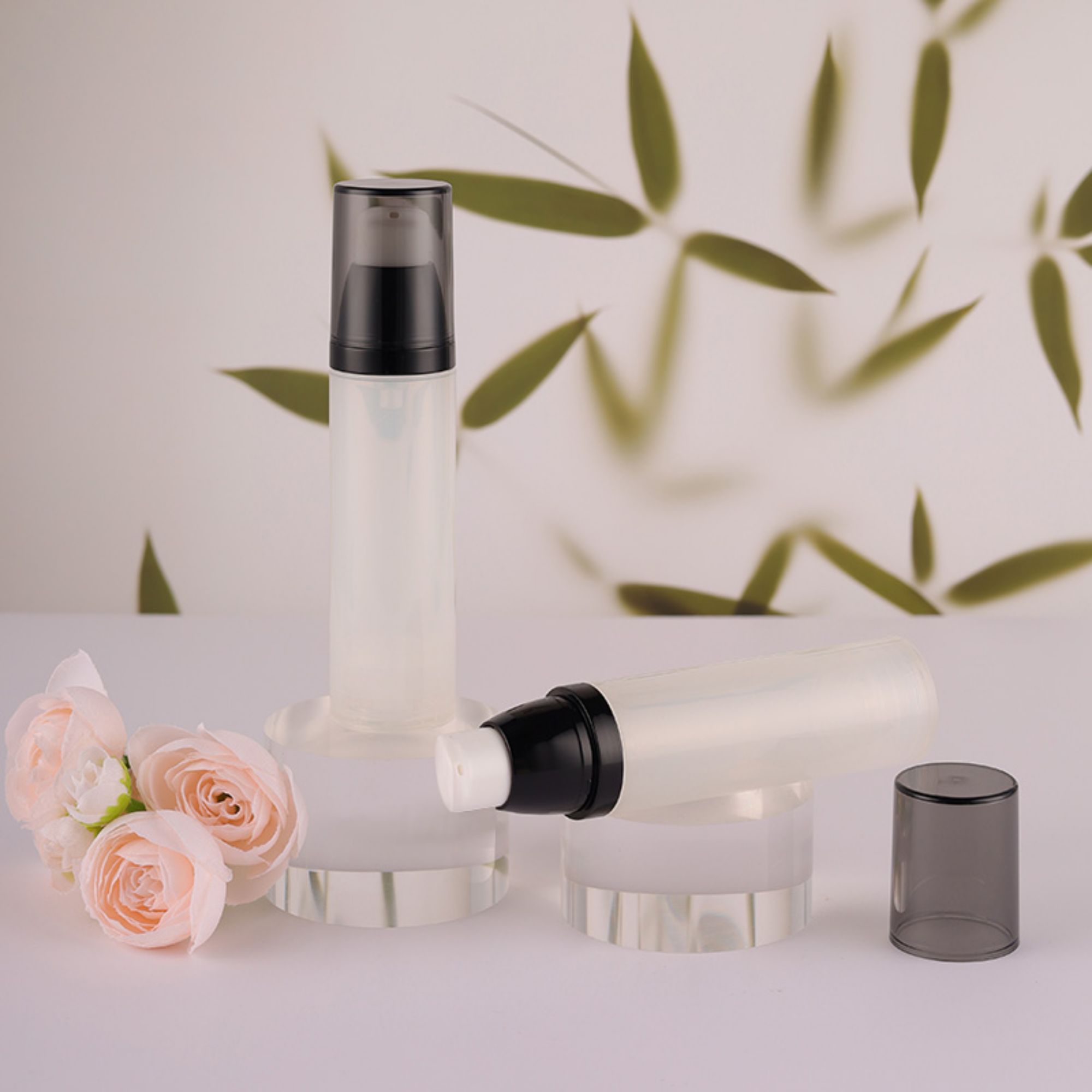
Most foundation lines still treat beige as the safe middle ground, then call it a day. This range starts where that logic ends—building out real neutral, olive, golden, and cool undertones across the full depth of skin tones.
No chalky light shades, no ashy deep shades, no lone medium shade pretending to cover everyone. Every color is tested on actual faces, in unflattering light, specifically so it does not fall apart by noon or under a camera flash.
Once you see the full spread laid out, other shade charts start to look like variations of the same three bottles. That is the point.
Texture and grip details people notice before they read
Fingers usually make a judgment before eyes reach a headline. A lightly textured edge reads as intentional, while a smooth, cold panel can feel unfinished even if it photographs well. The moment a hand wraps around the object, the surface either invites a firmer hold or makes the palm work to keep it in place.
That early impression often comes from tiny choices: a matte finish that warms slightly, a ribbed section placed where fingertips naturally fall, or a beveled corner that keeps pressure from concentrating in one spot. None of these need to be loud. They just have to feel consistent when the grip changes.
People rarely mention these details when asked why they like something, because the texture has already become part of the overall sense of control. If the grip is right, the rest of the design gets read with more patience. If it is not, every small flaw after that feels more obvious.
Caps, spouts, and flow rates built for actual thirst
A good cap should stay closed in a gym bag but open without a fight when you need it. This one uses a low-profile design that won’t catch on straps, and the spout is angled so you can drink without tilting your head all the way back. It feels less like a sports accessory and more like a well-worn tool.
The flow rate is tuned for people who actually get thirsty. There’s no need to squeeze hard or suck against resistance; the venting does the work, sending a steady stream that matches the kind of deep, fast drinking you do after a hike or a long shift. It doesn’t dribble, and it doesn’t blast you in the face.
Even the small decisions matter. The spout has enough clearance to drink around ice, the cap stays put when dropped, and the whole thing rinses clean without hiding gunk in hard-to-reach grooves. Thirst doesn’t wait, and neither should your bottle.
A weight and balance that makes cheap bottles feel flimsy
There is a particular heft in the hand that tells you the glass was poured thick, cooled slowly, and meant to survive a knock against the edge of a counter. When that weight drops away, the bottle becomes almost suspicious. The neck feels narrow and brittle, the base too light to anchor a pour, and even the cap seems to bite into threads with less conviction. It is not always about actual fragility, but the way a lack of mass reads as carelessness before the first sip.
That balance matters most when the bottle is full and cold. A heavier vessel shifts the center lower, so the pour feels controlled and deliberate. A cheap, thin-walled bottle tends to carry its weight higher in the liquid itself, making the neck drift as you tilt it. The result is a small wobble that the hand notices before the mind does, a subtle apology in the grip that cheapens the experience faster than any label can.
Oddly, the same principle works in reverse once the bottle is empty. A substantial bottle still sits with a kind of quiet authority on the table, while a flimsy one topples at the first brush of an elbow. That lingering physical presence shapes how people remember the product, long after the contents are gone.
Post-consumer plastic with a quieter kind of confidence
There is a particular ease that comes from materials which do not need to announce themselves. Post-consumer plastic, when handled with restraint, carries faint streaks and tonal shifts that feel closer to stone than to packaging waste. The result is a surface with enough variation to hold attention, but never enough to demand it.
Its confidence shows up in small, tactile ways. A slightly matte edge, a barely visible fleck, a weight that feels solid without pretending to be something else. These details reward close looking rather than trying to impress from a distance.
Choosing this material becomes less about making a point and more about accepting that useful things can have a second life without turning that fact into a loud statement. The quiet is the point.
FAQ
A custom bottle gives you control over shape, color, texture, and labeling. Instead of blending in with generic packaging, the bottle itself becomes part of your product experience. That kind of visual distinction tends to stick with people longer than a standard container ever will.
Bold color choices, a distinctive silhouette, and a tactile finish tend to do the heavy lifting. Matte or soft-touch surfaces catch light differently, while an unusual cap or embossed logo can make someone reach for the bottle before they even read the label.
They can be, especially if you start with stock preforms and customize through color, labeling, and finishing rather than paying for a full custom mold. Many suppliers offer low minimums on semi-custom options, which lets you test a design before committing to larger runs.
For semi-custom work, plan on a few weeks once the artwork and materials are approved. Fully custom molds add tooling time, often several weeks to a few months depending on complexity. The safest approach is to ask for a timeline before you lock in the design.
Overloading the surface with too much text, choosing a shape that looks great on screen but is awkward to hold, and ignoring how the bottle will look under store lighting. It helps to test a physical sample in real conditions instead of relying on a render.
Yes, if the material choice supports it. Recycled PET, lightweighting the design, and avoiding mixed-material components that complicate recycling can all help. The key is making sure the bottle's story matches the actual material and end-of-life path.
A fully custom mold changes the bottle's shape, base, neck, and overall feel. A stock bottle relies on decoration to create identity. The first costs more upfront but gives you a unique container; the second is faster and cheaper but less distinctive.
It usually comes down to the product inside, clarity needs, and temperature exposure. PET is common for beverages and clarity, HDPE works well for thicker products or a more matte look, and PP handles heat better for certain fills. A supplier can narrow it down quickly once you share the product specs.
Conclusion
A bottle either blends into the cooler or gets picked up first. Custom silhouettes change that math. When a shape reads from across a parking lot, it stops being packaging and starts acting like a visual signature. Pair that outline with a color range built to make standard clear and blue tones feel tired, and the shelf suddenly has only one focal point. Texture does quiet work too: a soft-touch grip or a ribbed sidewall gets noticed before any label copy, because hands learn the difference faster than eyes scan a logo. That kind of recognition is not accidental, and it cannot be copied with a louder label or a busier graphic.
Function has to match the look. Caps, spouts, and flow rates tuned for real drinking moments keep people reaching for the same bottle long after the first impression. There is also a heft and balance that makes lighter, hollow-feeling bottles seem disposable by comparison. And the material story stays understated but firm: post-consumer plastic carries a quieter confidence, offering durability without shouting about it. Together, those details build a bottle that does not ask for attention. It just keeps getting picked up, carried around, and left in plain sight where other people notice it.
Contact Us
Contact Person: Kara Yang
Email: [email protected]
Tel/WhatsApp: 8618857568397
Website: https://www.haitongplastic.com/