

Concrete Formwork Manufacturer Reveals Proven Ways to Reduce Construction Costs
2026-11-16
Construction budgets are under pressure, and formwork is often one of the first places costs spiral out of control. But what if a concrete formwork manufacturer told you there are straightforward, field-tested ways to bring those numbers down? GETO has spent years refining its systems, and the lessons are worth stealing. Here are a few proven methods that could save your next project real money—without cutting corners.
Rethink Formwork Material Choices to Slash Expenses
Many contractors reach for plywood out of habit, but that upfront price tag rarely tells the whole story. Plywood forms may cost less per sheet, yet they tend to warp, absorb moisture, and need replacing after only a handful of pours. When you factor in reordering, disposal, and the labor to clean and repair them, the per-use cost climbs quickly.
Steel and aluminum forms flip that equation. A set of steel forms might sting at purchase, but they can last for hundreds of cycles if stored and handled with even basic care. Aluminum brings the added benefit of lighter weight, which cuts crane time and lets a smaller crew move panels around without extra equipment. Over a large project or a series of jobs, that difference in turnover becomes real savings.
A hybrid approach often wins too. Use high-cycle systems for repetitive walls and slabs, but switch to plastic or fiberglass forms for tricky architectural details where custom shapes would otherwise drive up carpentry costs. Pay attention to release agents and off-site storage; proper maintenance stretches the life of any formwork and keeps per-pour expenses flat instead of creeping upward.
Modular Design Strategies That Trim Waste and Labor
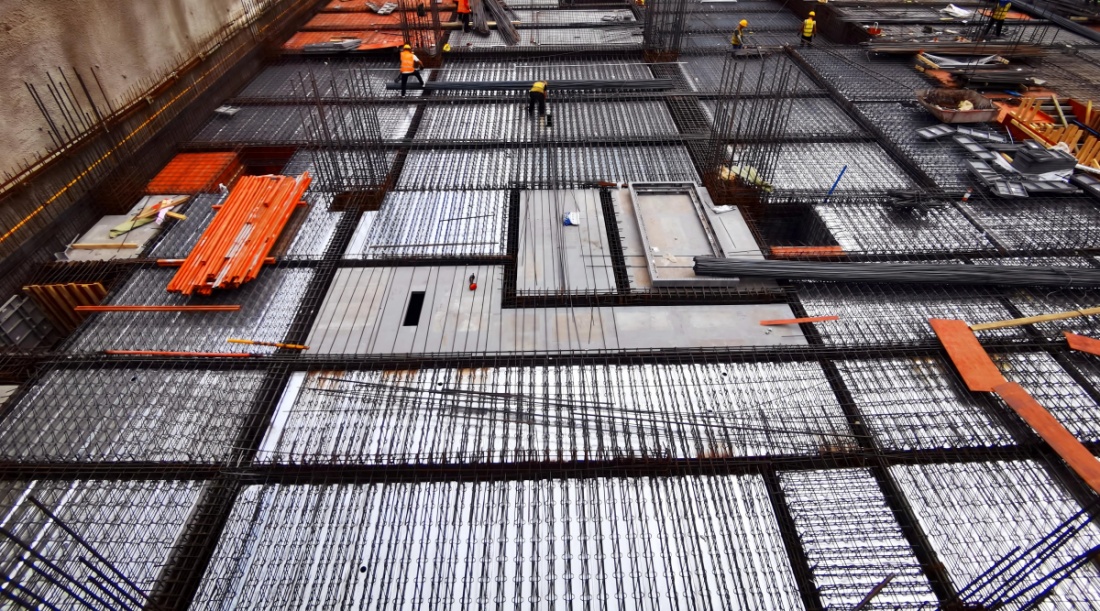
Shifting from stick-built methods to modular components changes the conversation around job-site efficiency. Instead of cutting every piece on site, crews install pre-assembled wall panels, floor cassettes, and roof trusses that arrive ready to set. The result is less scrap in the dumpster and fewer hours spent measuring, recutting, and correcting mistakes. Field labor focuses on placement and connections, not repetitive fabrication, which keeps schedules tighter and budgets more predictable.
A key tactic is standardizing module dimensions around common material sizes. When panels are designed in 4-foot or 8-foot increments, plywood and drywall fall with minimal waste, and offcuts become rare. This also simplifies ordering: suppliers deliver exactly what's needed, not an extra 10% for guesswork. On multi-unit projects, repeating the same module types lets a small crew install dozens of units in a fraction of the time, with fewer skilled carpenters required on site.
Another practical move is moving complex assemblies—like window bucks, shear blocking, and utility chases—into a controlled shop environment. There, jigs and templates ensure every piece matches the next, eliminating the slight variations that cause slowdowns during framing and finishing. The on-site team then handles mostly lifting and fastening, which reduces both wasted material and the labor hours tied to rework. Over the course of a build, these small gains stack into meaningful savings without compromising structural integrity or design flexibility.
Smart Reuse Plans for Long-Term Savings
Take a quick look around your kitchen or garage—odds are you already own half the things you buy regularly. A smart reuse plan flips the default from "buy new" to "use what's here." That means assigning everyday items a second job: coffee tins hold screws, old toothbrushes scrub grout, and worn-out shirts become dust cloths. The goal isn't to turn your home into a storage unit; it's to make a habit of checking what you have before opening your wallet. Over time, this simple check prevents dozens of impulse purchases that quietly drain a bank account.
One often-overlooked source of savings is the repair mindset. When a toaster stops working or a chair leg wobbles, the default is often a quick replacement. But a fifteen-minute tutorial and a five-dollar part can extend an item's life by years. For things you need only a few times a year—a ladder, a carpet cleaner, a power drill—borrowing from neighbors or joining a tool library costs nothing compared to buying. These choices aren't just frugal; they build a sense of community and keep perfectly good items out of the trash.
At the checkout line, the cheapest option is rarely the cheapest over time. Paper towels, plastic wrap, and disposable razors add up fast. Swapping them for rags, beeswax wraps, and a safety razor might feel like spending more upfront, but the math works out quickly. A ten-dollar pack of microfiber cloths replaces a monthly paper towel habit, saving roughly a hundred dollars a year. Smart reuse planning means recognizing which purchases deserve a higher initial cost because they stop a recurring expense altogether.
Negotiation Tactics for Better Supplier Rates
Before you even sit down at the table, know what the supplier's costs truly are. Research raw material prices, labor rates in their region, and typical profit margins in the industry. This knowledge lets you anchor your counteroffers with facts, not guesses. Also figure out your own alternatives — if you have a reliable backup supplier, you'll negotiate from strength, not desperation.
Tie your request to a larger commitment. Instead of demanding a simple price cut, offer to increase order volume, extend the contract term, or pay earlier in exchange for lower unit rates. Suppliers are more willing to trim their margins when they see predictable, higher-margin business over the long haul. Be specific: “If I commit to six months of orders upfront, can we get 8% off the current list price?”
Don't treat the negotiation as a one-time event. After securing better rates, keep communication open and review performance together quarterly. Ask for cost breakdowns periodically and suggest joint efficiency improvements — like packaging changes or delivery scheduling — that can lower their operating costs and justify further price adjustments. A supplier who sees you as a problem-solving partner, not a hard-nosed buyer, will often volunteer the best deals.
On-Site Workflow Tweaks That Cut Man-Hours
Moving the gang box closer to the actual work area saved us around forty minutes per crew each day. Instead of walking back to a central laydown yard for every drill bit or box of screws, we started staging fasteners and small tools on a cart that follows the crew. It sounds minor, but those trips add up fast when you're on a slab with no shade.
We also changed how we hand off between trades. Rather than waiting for a full punch list before the next crew walks the floor, we now do a quick fifteen-minute walk with just the foremen at 2:30. Any issue that can be fixed with a tool belt gets handled right then, not written on a form and emailed later. That one adjustment pulled almost a full day out of a two-week interior finish schedule.
Tech Upgrades That Pay for Themselves Quickly
Swapping out old incandescent bulbs for LEDs is one of the fastest ways to see a return. The upfront cost is low, and the energy savings start showing up on your next utility bill. In most homes, this simple switch pays for itself within a few months, especially in high-use areas like kitchens and living rooms.
A smart thermostat is another upgrade that quickly earns its keep. By learning your schedule and adjusting temperatures automatically, it can trim heating and cooling costs by up to 10-15% a year. For many households, that translates to recovering the purchase price within the first season of use.
Don't overlook smart power strips, either. They cut phantom load from devices that stay in standby mode, like TVs and game consoles. For under $40, these strips often pay for themselves in less than a year, and they make it effortless to kill power to entire setups with a single switch or app tap.
FAQ
Instead of generic advice, a good manufacturer will examine your project's structural drawings and suggest formwork systems that minimize material waste. They might recommend adjustable steel forms over timber for repetitive pours, which cuts labor hours and eliminates constant rebuilding. Some also offer pre-assembled modules that arrive ready to set, reducing crane time and on-site errors.
Labor is often the largest hidden cost in formwork. A manufacturer that designs panels with fewer connection points and integrated alignment guides can cut erection and stripping time by up to 30%. They might also use lightweight composite materials that two workers can handle without extra lifting equipment, which makes crews faster and safer.
Reuse is where savings multiply. A well-engineered formwork system can be cycled 100 times or more, whereas traditional plywood might only last 5-10 pours before warping. Manufacturers that provide maintenance kits and repair guides help contractors extend that lifespan even further, turning formwork from a disposable item into a long-term asset.
Yes, but only if the manufacturer tailors the modules to the project. For walls with irregular angles or varying heights, modular panels that can be pieced together without custom cutting eliminate both fabrication waste and field adjustments. Some manufacturers use 3D modeling to pre-plan every module, so crews simply follow a numbered sequence instead of problem-solving on the fly.
Ask for a pour-by-pour cost analysis that includes stripping, cleaning, and transport. A transparent manufacturer will also discuss formwork rental versus purchase based on your project duration. Don't hesitate to request case studies from similar builds—real numbers on labor hours and material savings reveal more than any brochure.
When manufacturers join the project during the design phase, they can identify formwork-friendly dimensions that reduce custom fabrication. For example, aligning floor-to-floor heights with standard panel sizes avoids costly fillers and cuts. Early input also allows for shared formwork between adjacent pours, cutting the total inventory needed by 20-40%.
High-density plastic and fiberglass-reinforced panels are gaining ground because they resist moisture and chemical damage far better than wood. While the upfront price is higher, they don't absorb water, so they maintain dimensional stability and require less cleaning. Over multiple projects, the reduced replacement and repair costs often outweigh the initial investment.
Underestimating the cost of formwork failures. Blowouts or deflections during concrete placement can easily exceed the entire formwork budget. Manufacturers that provide engineering support, load calculations, and proper tie systems help prevent these failures. They also train crews on correct assembly, which reduces rework and schedule delays that eat into profit margins.
Conclusion
A concrete formwork manufacturer's cost-cutting playbook rarely starts with the obvious. Instead of defaulting to timber, many contractors are switching to hybrid systems that pair lightweight aluminum frames with high-density plastic facing—materials that survive far more pours and resist warping. This shift alone cuts replacement spending and reduces crane time because panels are easier to handle. Pair that with modular designs where fewer, standardized components fit together across multiple slab layouts, and you eliminate the scramble for custom fabrication. Waste drops quickly when offcuts become rare, and crews spend less time figuring out which panel goes where. Smart reuse plans extend the logic further: barcoded or RFID-tagged formwork lets teams track inventory across jobsites, schedule cleaning and repair between projects, and avoid the costly habit of treating forms as disposable after a handful of uses.
On the commercial side, negotiating better supplier rates isn't just about asking for a discount. Formwork manufacturers often recommend consolidating orders with one or two vendors to unlock volume pricing, or agreeing to flexible delivery windows in exchange for lower freight charges. Some contractors also renegotiate buyback clauses for used equipment, turning end-of-project formwork into credit rather than landfill costs. On site, small workflow tweaks—like staging panels closer to the pour area, pre-assembling gang forms at ground level, and training crews to strip forms while concrete is still green—can shave hours off each cycle. Finally, tech upgrades such as digital layout tools and laser scanners pay for themselves by catching dimensional errors before concrete is poured, avoiding expensive rework. Together these moves create a compounding effect that lowers both direct material spend and indirect labor overhead.
Contact Us
Contact Person: Quanhui Nian
Email: [email protected]
Tel/WhatsApp: 8618070545691
Website: https://www.getoglobal.com/