

China Fusion Splicer Complete Guide for Fiber Optic Professionals
2026-11-03
When a fusion splicer fails in the field, every minute costs money — and reputation. China has become the undisputed powerhouse of fiber optic splicing technology, yet not all machines are created equal. This guide strips away the marketing noise and gives you the hands-on knowledge you need: what to look for, what to avoid, and why seasoned professionals increasingly specify DVP for demanding long-haul and FTTx projects. Let’s dive into the heart of China’s fusion splicer landscape.
Chinese Fusion Splicers That Hold Up Under Real Field Conditions
Anyone who has spliced fiber in a trench or up a pole knows the difference between a lab toy and a tool that works when your gloves are muddy. Chinese manufacturers have quietly moved past the era of fragile clones. The current generation of fusion splicers from several Shenzhen and Wuhan based companies are built with sealed keypads, reinforced V-grooves, and dust-resistant mirror assemblies that don't drift after a week in a construction site. Field crews in Southeast Asia regularly run them through monsoon humidity, and they keep producing clean splices without constant re-calibration.
Battery life is another area where these machines have improved dramatically. A splicer that can't hold a charge through a full shift is useless on a rural FTTH rollout. Many Chinese models now ship with hot-swappable packs and power management that lets you keep working while the spare charges in the truck. The chassis also handle being bounced around in a pickup bed better than some higher-priced imports, because the internal fixtures are simpler and there are fewer delicate moving parts to knock out of alignment.
What sets the better Chinese splicers apart is that they are designed for repair, not replacement. Field technicians can swap out a damaged electrode or clean the objective lenses without sending the unit back to a service center for three weeks. Replacement parts are inexpensive and readily available from regional distributors, which means a broken machine doesn't become an expensive paperweight. That practical approach to durability is why more contractors are willing to put them on the truck next to the old favorites.
Core Alignment vs. Cladding Alignment: A No-Nonsense Comparison
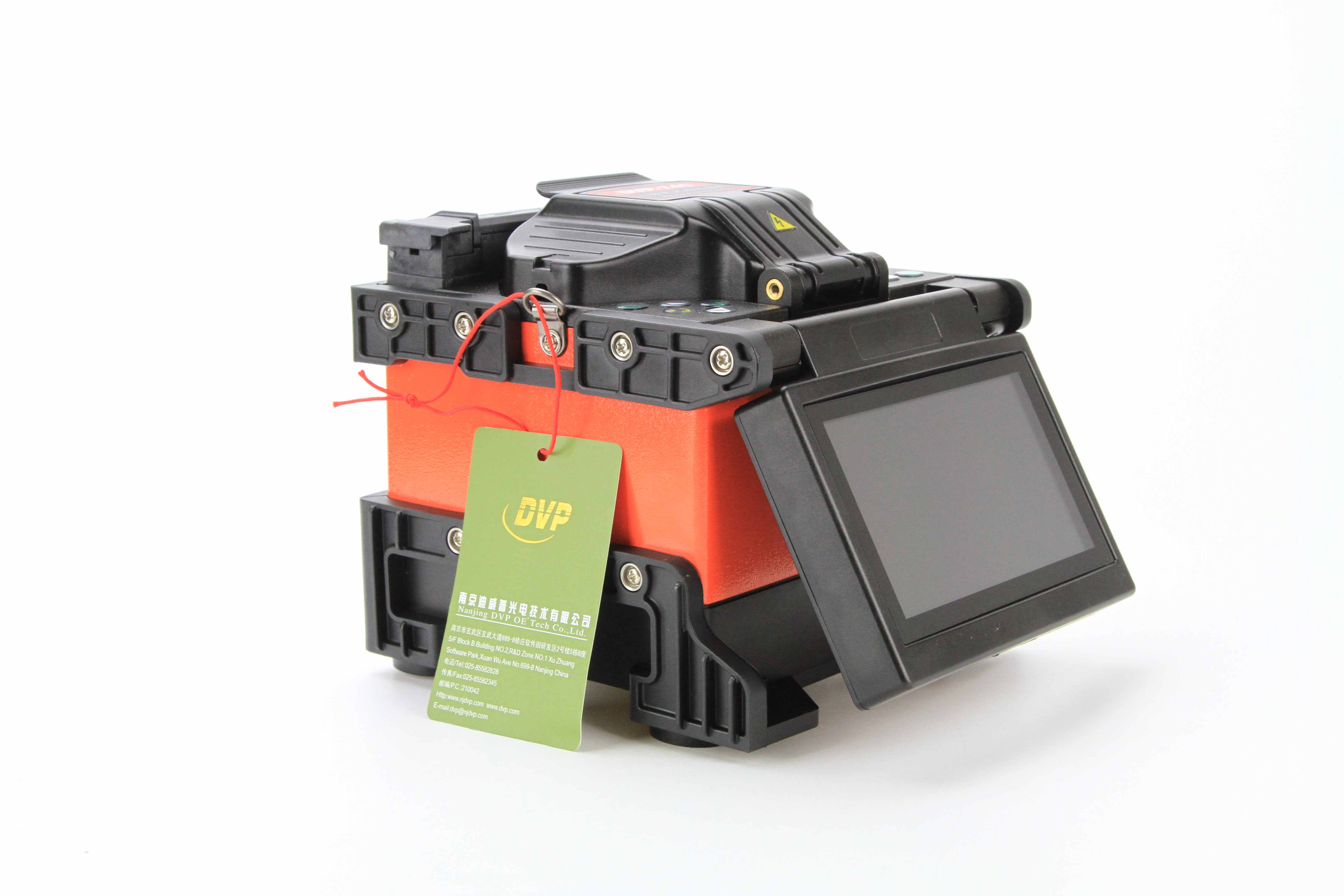
Core alignment and cladding alignment are often tossed around like interchangeable terms, but the difference is as plain as night and day once you get your hands dirty. Core alignment focuses on the glass center of the fiber—the part actually carrying the signal. When splicers align cores, they're lining up the light-carrying pathways with microscopic precision, which matters most for single-mode fibers where a micron off means real dB loss. Cladding alignment, on the other hand, uses the outer glass layer as a reference. It's simpler and faster, but it assumes the core sits perfectly centered in the cladding. Spoiler: it often doesn't.
Here's the practical kicker. For multimode fiber with its fat 50 or 62.5 micron core, cladding alignment works fine because the core is huge compared to any eccentricity. But for single-mode fiber with a core around 9 microns, even a slight offset between core and cladding—think 0.5 to 1 micron—can cause noticeable splice loss. That's why fusion splicers with core alignment, using cameras and image processing to see the actual cores, deliver consistently lower loss on single-mode. They adjust in three axes to bring the cores together, not just the glass tubes. Cladding alignment just butts the fibers together and hopes for the best.
Don't get me wrong—cladding alignment isn't junk. It's cheaper, more robust in dirty field conditions, and perfectly adequate for multimode or short single-mode links where a 0.1 dB difference won't break the budget. But if you're splicing long-haul single-mode or high-count backbone cables, core alignment pays for itself in fewer re-splices and lower OTDR failures. The real no-nonsense takeaway: match the alignment method to the fiber type and the job's tolerance. Blindly choosing one over the other because it's what the sales rep pushed is how you end up with ugly test results and a headache.
Popular Chinese Splicer Brands and Where They Actually Excel
When technicians talk about Chinese fiber splicers, the usual suspects are Inno Instrument, Signal Fire, Jilong, and DVP. What's less discussed is how each brand has carved out a surprisingly specific niche. Inno, for instance, doesn't just compete on price—their core alignment models handle loose buffer and ribbon fibers with a repeatability that rivals gear twice the cost, making them the quiet favorite for FTTH contractors who still need to splice legacy backbone cables. Signal Fire took a different road: their AI-powered auto-calibration and dirt detection consistently save time on dirty OSP closures, which is where most splice failures actually happen, not in the lab. Jilong pushes portability to an extreme, with handheld units that survive drops from a ladder and still hold 0.02 dB loss on single-mode—something that matters more to tower climbers than to bench technicians.
Beyond the hardware specs, where these brands truly excel is in how they handle regional field conditions. DVP splicers have earned a loyal following in humid, coastal environments because their sealed electrode chambers don't fog up mid-splice like some Japanese units do after months of salt air exposure. Meanwhile, lesser-known brands like Skycom and Komshine dominate specific domestic markets by focusing on battery endurance—some models run over 300 splices on a single charge, which is a lifesaver when you're three days into a rural fiber-to-the-village rollout with no generator. It's not about being the best at everything; it's about being the best at the one thing your typical customer actually faces every day.
What surprises many first-time buyers is the after-sales ecosystem. Chinese manufacturers have pushed firmware updates directly through WeChat mini-programs, letting a splicer in Kazakhstan recalibrate its arc intensity without shipping the unit back to a service center. That level of remote support is rare even among established Japanese brands. Add in the fact that most Chinese splicers now come with multi-language interfaces and region-specific splice mode presets preloaded, and the real advantage becomes clear: they're not just cheaper—they're adapting to the messy, unpredictable realities of fiber installation faster than anyone else.
Field Splicing Shortcuts That Don’t Sacrifice Signal Quality
Most field techs assume any shortcut means a weaker splice, but that’s not true if you focus on prep work. Start by stripping and cleaning fibers with a one-step tool that won’t leave residue, then use a quality cleaver every time. A dull cleaver is the fastest way to ruin signal, so swap blades earlier than you think you need to. This five-second check saves you a redo later.
One shortcut that holds up is running your fusion splicer in auto mode with stored arc calibration data instead of re-calibrating at every site. As long as the unit hasn’t been dropped and the electrodes are clean, the pre-set parameters handle most single-mode and multimode jobs fine. Pair that with splice-on connectors pre-loaded in a clean tray, and you can cut splicing time nearly in half without seeing any jump in insertion loss.
Don’t skip the protectors. Slide a heat-shrink splice protector onto the fiber before you strip it, and line up three or four in your work tray so you’re not fumbling later. After the splice, check it with an OTDR right away—if the loss reads under 0.1 dB, you’re good. That quick verification means you find bad splices on the spot instead of after the whole run is buried.
Simple Maintenance Habits That Extend Electrode and Battery Life
Most electrode damage happens slowly, not from a single mistake. Letting sensors sit in dried-out electrolyte or leaving a pH probe exposed to air overnight can quietly eat away at the reference junction. A quick rinse after each use with distilled water, followed by a gentle blot instead of a wipe, keeps the glass membrane clear and the junction free of salt crust. If you store electrodes in their recommended solution rather than letting them dry out, you will notice they wake up faster and drift less during calibration.
Batteries have their own set of silent killers. Repeatedly draining a lithium pack to empty before recharging stresses the cells more than partial discharges do. Keep the charge between twenty and eighty percent when possible, and avoid leaving the device plugged in overnight in a hot room. For lead-acid batteries, check the water level every few weeks and top up only with distilled water after a full charge. A loose terminal or a thin layer of corrosion can also rob you of voltage without any obvious warning, so cleaning posts with a wire brush and tightening connections makes a measurable difference.
One habit that ties both together is a simple monthly check: look at the electrode slope, inspect battery terminals, and log any drift or swelling. Catching a drop in slope early often means you only need a fresh filling solution instead of a whole new probe. Likewise, noticing a battery swelling slightly before it leaks saves you from a damaged holder and a messy cleanup. These small routines take less than ten minutes, but they stretch the usable life of both sensors and power sources far beyond what the average lab or workshop sees.
What Chinese Fusion Splicers Really Cost Over Five Years
When buyers fixate on the sticker price of a Chinese fusion splicer, they often miss the bigger financial picture. The initial outlay is undeniably attractive—sometimes 40% to 60% less than a comparable Japanese or German unit. But over five years, that discount can erode quickly. Cheap electrode rods, flimsy v-grooves, and low-quality sheath clamps wear out faster, and replacement parts are rarely stocked locally. A splicer that sits idle for two weeks waiting on a spare electrode from Shenzhen costs you more in lost productivity than you saved at purchase.
Maintenance habits also diverge sharply. Many Chinese models require more frequent cleaning of the imaging system because their optics are less sealed against dust and humidity. If your crew works in trench conditions or coastal climates, expect to budget for at least one major recalibration per year—often $300 to $600 per service call. Software updates are another hidden expense: some manufacturers stop supporting firmware after three years, forcing you to buy an entirely new unit to stay compatible with newer fiber types. By year four, you might be running a splicer that can't handle bend-insensitive fiber reliably.
Resale value tells the final story. A well-maintained Japanese splicer can fetch 30% to 50% of its original cost after five years. Most Chinese units, by contrast, are virtually worthless on the secondary market because buyers know the calibration history is murky and internal parts are already near end of life. So the real five-year cost isn't just purchase plus repairs—it's purchase plus repairs plus lost resale plus downtime. When you add those up, that "cheap" splicer often ends up costing more per successful splice than a premium model bought once and run hard for a decade.
FAQ
Start with the alignment method—core alignment generally produces lower loss but costs more than clad alignment. Then check the heating time for 60mm splice protectors, battery capacity for field work, and whether the menu includes fiber profiles for the cables you actually install. A demo with your own fiber types is worth more than any brochure.
Yes, many Chinese brands now produce machines that handle FTTH drop cables and ribbon fibers well. For data center backbone work, pick a model with proven low-loss splicing on bend-insensitive single-mode fiber and test it under load. Field results vary by factory, so don’t assume all units are equal.
Check the serial number with the original manufacturer, inspect the UI language and font quality, and look for mismatched screws or poor screen lamination. Genuine units typically include a factory calibration report and support direct firmware registration.
With a sharp cleaver and clean electrodes, 0.01–0.03 dB is common for standard single-mode fiber in a controlled environment. In the field with wind and dust, expect slightly higher unless you use a splicing tent or enclosure.
They can. Non-original electrodes may shift the arc temperature and degrade splice strength over time. For consistent loss and long machine life, stick with manufacturer-recommended parts, especially when your work must pass acceptance testing.
Calibrate the arc after every electrode change, after large temperature swings, or if splice loss starts drifting. Many technicians run an arc calibration at the start of each workday as a quick health check, which takes less than a minute.
Clean V-grooves and objective lenses daily, replace electrodes before they look too worn, and keep the unit in a sealed case with desiccant when not in use. Also gently vacuum the fiber scraps instead of blowing them into the housing.
Conclusion
Field crews who have spent enough time in manholes and on roadside cabinets know that a fusion splicer either earns its place in the truck or becomes a paperweight. Chinese models from brands like INNO, Signal Fire, and DVP have moved beyond the old “cheap backup” stereotype, with several units now holding alignment stability through dust, temperature swings, and repeated drops. The core versus cladding alignment debate matters less as a marketing point and more as a cost-to-loss-budget decision: core alignment consistently delivers lower splice loss for long-haul and high-count trunks, while cladding alignment remains faster and cheaper for drop cables and last-mile work where a 0.05 dB difference rarely shows up in real network performance.
Smart field practices cut hours without cutting quality. Prepping fibers with a single-pass cleaver, keeping the V-grooves blown out, and using heat-shrink sleeves that actually match the splice protector size prevent rework and signal degradation. Electrode and battery life respond to simple habits: cleaning electrodes after every 40–60 splices, avoiding full discharge cycles, and storing the unit away from extreme heat. When you spread the numbers over five years, the upfront price gap between a Chinese splicer and a Japanese flagship narrows only if you ignore consumables, downtime, and resale. Many Chinese units now deliver 80–90% of the performance at roughly half the initial cost, with lower-priced electrodes and readily available parts making the total cost of ownership surprisingly practical for contractors who keep the unit calibrated and clean.
Contact Us
Contact Person: Mr XU
Email: [email protected]
Tel/WhatsApp: 86-25-85582828
Website: https://www.dvp.cn/en/