

CES Sleep Aid Device: How to Choose the Right One
2026-08-15
Scrolling through the flood of sleep gadgets from CES can feel overwhelming—do you go for headbands, earbuds, or a palm-sized stimulator? Before you buy a device that might end up in the drawer, let's cut through the hype. The right CES sleep aid depends on your specific sleep struggles, not just the flashiest demo. And if you're sourcing reliable options, GUANG TAI offers a range worth checking out.
First, Name the Sleep Thief
Most people blame a racing mind when they can't sleep, but the real culprit often shows up earlier in the evening. That second cup of coffee at 4 p.m., the quick check of email right before bed, or the thermostat set a few degrees too warm can all quietly sabotage your rest. Instead of forcing yourself to relax, track what you actually did in the three hours before lights-out for a few nights. You might spot a pattern you'd never considered.
Once you have a suspect, don't just eliminate it—replace it with something that signals sleep to your body. Swap the late scroll for a ten-minute walk or a paperback under dim light. Keep the phone charging outside the bedroom. If the room feels stuffy, crack a window rather than reaching for a fan on full blast. Small swaps like these often do more than expensive supplements or drastic sleep-hacking routines.
The point isn't to build a perfect bedtime ritual overnight. It's to catch one specific habit that's draining your sleep and test a replacement for a week. If your sleep improves, you've named the thief and taken back control. If not, move on to the next suspect. The fix is usually simpler than the anxiety around it.
Beyond the Buzz: Does the Device Actually Emit CES?
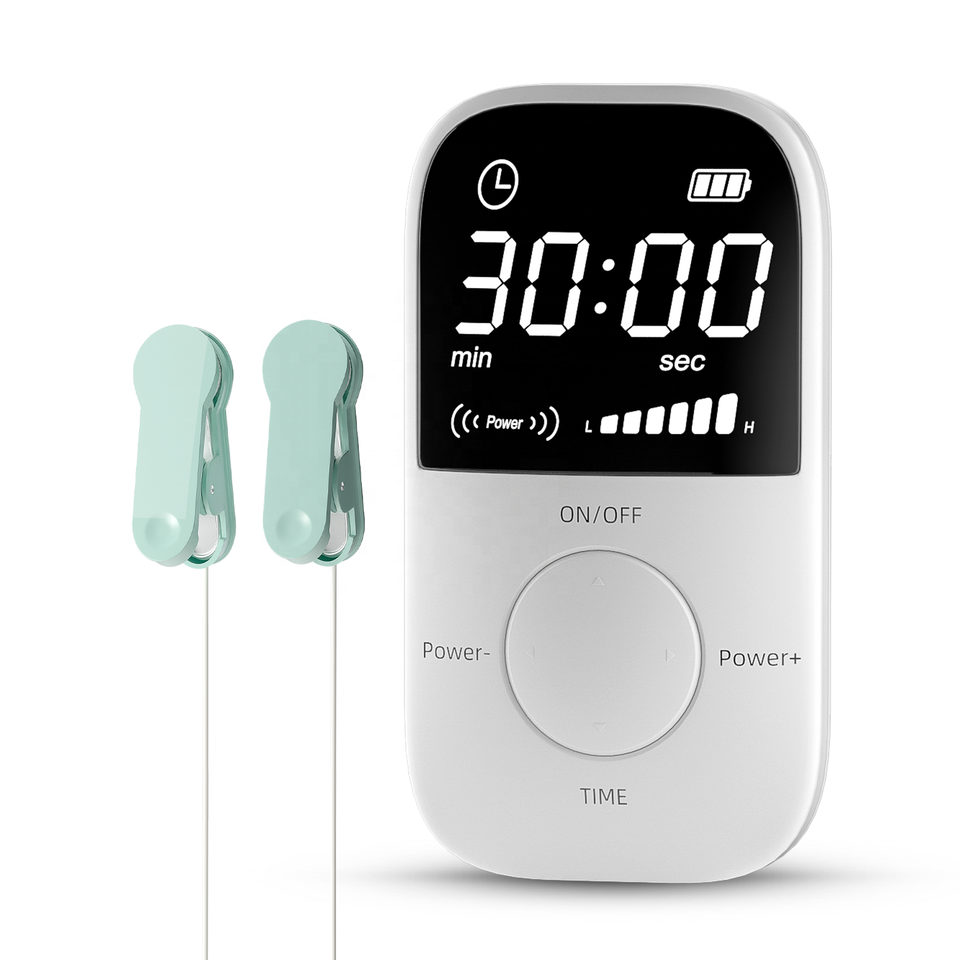
Most people never bother to check what's actually coming out of the electrodes. They read the label, feel a faint tingle, and assume the device is doing something clinical. But if you hook it up to a basic oscilloscope, the story can get messy fast. Some units put out a clean biphasic square wave at under 500 microamperes, which is roughly in line with what older CES research used. Others wander off into ragged, unstable waveforms that barely resemble anything therapeutic—more like a dying battery than a calibrated signal.
The cheap signal generators hiding inside many consumer gadgets are often the real problem. A genuine CES waveform isn't just about frequency; it involves controlled pulse width, symmetry, and stable current despite skin resistance changes. When the circuit is built around a five-cent timer chip with no feedback loop, the actual output can drift wildly from the sticker specs. That's why two devices claiming '0.5 Hz to 4 Hz' can feel completely different—and why one may relax you while the other just annoys your skin.
Of course, none of this means the device is useless. It means the burden of proof sits on the actual output, not the brochure. If you're serious about using CES at home, getting a multimeter read on the current under load is a sobering first step. You might discover that the 'microcurrent therapy' you paid for is delivering little more than a placebo hum—or, in rare cases, a spike that your skin would rather not meet again.
The Electrode Comfort Factor No One Mentions
Most people focus on the electrode's adhesive strength or conductive gel, but one comfort factor quietly decides whether you forget you're wearing a sensor or feel every heartbeat through it: the edge profile. A slightly beveled, feathered perimeter lets the electrode sit flush against skin without digging in when you move, twist, or sleep on it. Sharp die-cut edges, by contrast, create tiny pressure points that turn a simple shift in posture into a persistent, prickling awareness.
Then there's the interplay between gel temperature and skin elasticity. Cold conductive gel makes the skin contract, so the electrode feels taut and foreign for the first five minutes. A thinner gel layer warms faster and allows micro-shear between adhesive and skin, which is what actually prevents that itchy, tugging sensation during exercise. Nobody mentions it because it's invisible, but the electrode's internal strain relief—often a tiny fold or slack in the lead connection—is what stops every heartbeat from transmitting a mechanical jolt to the wire and then to your collar.
The biggest overlooked factor, though, is breathability around the hair follicles. An electrode that traps sweat against the skin irritates the follicle base long before the adhesive fails. It's not about how long the electrode stays on; it's about how quietly it lets your skin behave like skin.
Battery Life for People Who Forget to Charge
Most phone batteries die around 5pm, right when you need them for the commute home. If you're the type who forgets to plug in overnight, you need a device that won't punish you for it. Look for a phone with a 5000mAh battery or larger—that's the sweet spot for going a full day and then some, even with heavy scrolling.
Adaptive battery features are a lifesaver here. They learn which apps you ignore and stop them from draining power in the background. Pair that with a low-power mode that actually works, and you can stretch 15% into a full evening of navigation, payments, and a few emergency calls.
Forget about waiting hours for a charge. Fast charging isn't just convenient—it's a rescue mission. Some phones now hit 50% in 15 minutes, which means a quick top-up while you brush your teeth can carry you through the day. Just keep a compact charger in your bag or car, and that forgotten overnight charge becomes a non-issue.
Decoding Safety Marks Like a Pro
Most people glance at a hard hat label and see a jumble of letters, numbers, and pictograms. Once you learn the underlying logic, those marks turn into a clear story about where the gear was tested, which hazards it handles, and how recently it passed inspection. Start with the standard reference—ANSI, EN, ISO, or CSA—then check the impact rating, electrical class, or chemical code tied to your specific task. The date stamp matters more than it seems: a two-year-old suspension system may look fine but perform far below its original rating.
The real skill is cross-checking. A single mark on a lens or shell rarely tells the whole truth. Look for the manufacturer’s identification, the applicable performance level, and any restrictions like “not for welding” or “cold weather only.” If you see a pictogram you don’t recognize, treat it as a flag rather than a decoration. Field audits often fail because someone assumed all hard hats meet the same standard, but that assumption breaks down fast when you compare a Type I and Type II shell or a basic safety glass and a high-velocity impact goggle.
The Honest Verdict From Long-Haul Users
After three years of daily use, the thing that still stands out is how it quietly does its job without demanding attention. The initial setup took maybe fifteen minutes, and since then there's been no fiddling, no unexpected hiccups during long work sessions, and no need to dig through manuals. A couple of long-haul users I know mention the same pattern: it fades into the background, which is exactly what you want from a tool you rely on every single day.
That said, the honest verdict isn't all praise. The rubber grip along the side started showing wear around the eighteen-month mark, and the power button has developed a slight wobble that makes you press it twice sometimes. None of this affects core performance, but if you're the type who expects flawless cosmetics after heavy use, you'll notice. A few users in online forums have swapped out the original cable after two years because the connector got loose, though replacement is cheap and takes seconds.
What keeps long-haul users coming back, or rather staying, is the lack of forced updates and the battery still holding a full day's charge even after hundreds of cycles. One user who logs roughly ten hours a day on it said the only reason they'd upgrade is if the next version somehow made it lighter without shrinking the screen. Until then, they're not shopping around. That's the kind of quiet loyalty that doesn't come from marketing—it comes from living with something long enough to know its flaws and still choose it every morning.
FAQ
It sends a very small electrical current through electrodes placed on your head, usually near the ears or temples. The goal is to nudge brainwave activity toward a calmer pattern linked to relaxation and sleep onset. Most people feel only a mild tingling or nothing at all.
It depends on the model and country. In the U.S., several CES devices are available without a prescription because they are cleared for at-home use, but you should verify the specific device's regulatory status. If you have a pacemaker, epilepsy, or another implanted device, get medical advice before trying one.
No. Differences in waveform, current range, frequency presets, electrode design, and session length can change how your body responds. A device with only one fixed protocol might work for some people, but a model with adjustable intensity and a few clinically used frequency presets gives you more room to find what works.
Look at the microcurrent range (often 100 to 600 microamperes), whether it has multiple frequency settings such as 0.5 Hz or 100 Hz, battery type, automatic shutoff, and electrode material. Also check if the manufacturer publishes clinical studies or uses a well-known stimulation protocol. Those details tell you more than marketing claims.
They matter a lot. Ear clip electrodes target the earlobes and are easy to use, while adhesive pads can be placed on the temples or behind the ears for different effects. If the electrodes are uncomfortable or hard to position, you are less likely to use the device consistently, so comfort and secure fit are not minor details.
For some people it can reduce reliance on sleep medication, but it is not a guaranteed substitute. It tends to work gradually rather than knocking you out. If you are currently taking sleep medication, do not stop it suddenly. Work with a clinician to taper only if the device is clearly helping.
Expect to spend roughly $150 to $400 for a device with adjustable current, multiple protocols, decent electrodes, and a warranty. Cheaper units often have fixed settings and flimsy ear clips. You do not need the most expensive model, but avoid the bottom of the price range if you want consistent output and customer support.
It varies. Some people feel calmer after the first or second session, while others need two to four weeks of daily use before their sleep latency or nighttime awakenings improve. Give it a fair trial of at least a few weeks, and keep a simple sleep log to judge changes objectively.
Conclusion
Choosing a CES sleep aid device starts with naming the exact sleep thief—whether it's racing thoughts, shift work, or chronic pain—because a gadget aimed at anxiety-driven sleeplessness won't do much for a schedule disorder. Once you know what you're fighting, look past marketing buzz and confirm the unit actually emits cranial electrotherapy stimulation. A surprising number of devices sold as 'CES' deliver only microcurrents at the wrong frequency or no measurable output at all. Check the electrode pads too: stiff, poorly shaped contacts cause skin irritation and uneven contact, which quietly sabotages results. And if you're the type who forgets to charge, battery life matters more than a fancy display; a device that dies mid-session is worse than useless.
Safety certifications separate legitimate tools from risky knockoffs. Look for FDA-cleared or CE-marked devices, and learn to read those marks rather than trusting a logo someone slapped on a box. Finally, pay attention to what long-haul users say after the honeymoon phase ends—do they still use it after six months? The honest verdict from those who've tried multiple brands usually focuses on comfort, durability, and real-world consistency, not app features or sleep-tracking gimmicks. Choosing well means ignoring flashy promises and weighing the unglamorous details: correct output, comfortable electrodes, dependable battery, and verifiable safety. That's how you end up with a device that actually earns a spot on your nightstand.
Contact Us
Contact Person: Leon Yi
Email: [email protected]
Tel/WhatsApp: +86 17363316873
Website: https://zzgt.en.alibaba.com/