

Bulk 16kWh Energy Storage Battery Pack Delivers Reliable Whole-Home Backup Power
2026-10-19
When the grid goes down, most homes either go dark or roar with a portable generator. Neither feels like a real solution. That’s why the bulk 16kWh energy storage battery pack from UNC is turning heads: it delivers reliable whole-home backup power without the noise, fumes, or fuel runs. If you’ve been waiting for a backup system that actually fits your daily life, this is the moment to look closer.
What 16kWh Actually Powers Through an Outage
Most people imagine a single battery number and think it means whole-house backup. In practice, 16 kilowatt-hours is a real, usable amount — about two-thirds of what the average American home draws in a day, but only if you're careful. Run the AC, the dryer, and an electric oven at once, and you'll drain it before dinner is over. Treat it like a budget on a tight week, though, and it covers the stuff that actually matters after the grid goes down.
A fridge and a chest freezer together pull roughly 3 to 4 kWh over 24 hours. Add a Wi-Fi router, a few LED lights, phone and laptop charging, and even a small TV for a couple hours, and you're still under 8 kWh for the day. That leaves room for a microwave or a coffee maker in short bursts, or running a sump pump through a storm. The key isn't the capacity alone — it's knowing what you're willing to turn off.
If you need to run a well pump, a gas furnace blower, or medical equipment overnight, 16kWh becomes a strategic reserve. One home might stretch it for two days with modest habits. Another might drain it in six hours by ignoring the smart plugs. The battery doesn't change — your choices do. That's the part no spec sheet shows.
Why Homeowners Are Moving Past Single-Battery Setups
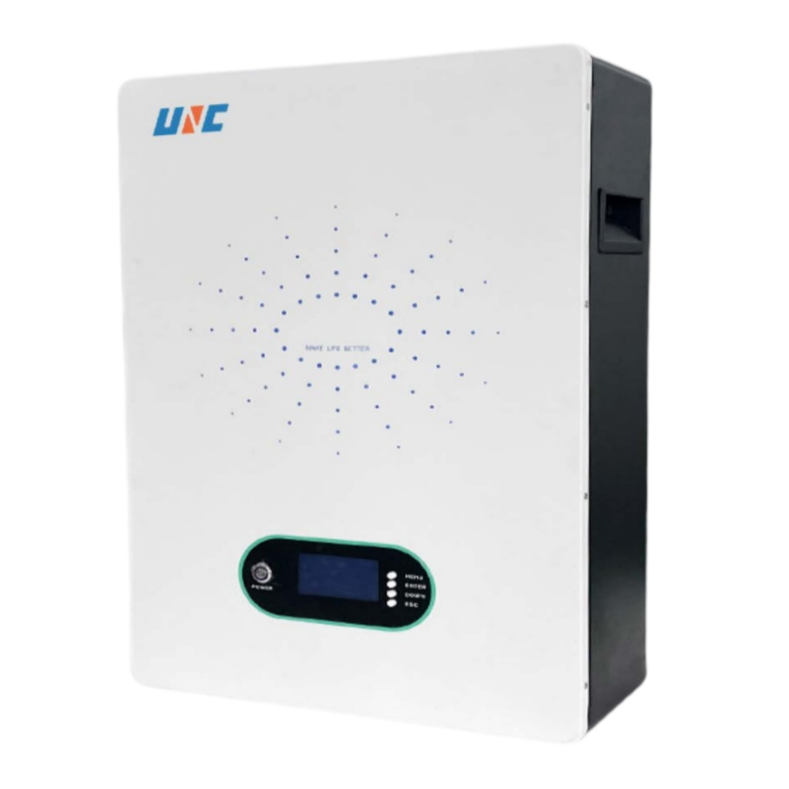
For years, a single large battery was the go-to answer for storing solar energy or keeping essentials running during an outage. But that approach often leaves households juggling priorities: power the fridge, or keep the lights on? As daily electricity demands grow—think home offices, medical devices, and always-on smart appliances—one battery simply runs out of runway too fast. Homeowners are realizing that a lone unit, no matter how hefty, creates a single point of failure and forces uncomfortable trade-offs when the grid goes down.
The shift toward multiple battery modules isn't about buying more of the same; it's about building a flexible energy buffer that matches real household rhythms. With two or more units, you can dedicate one to critical loads while another handles intermittent high-draw items like a well pump or microwave. This setup also sidesteps the frustration of deep discharges that shorten battery life—spreading the workload across several packs keeps each one in a healthier state of charge. Plus, modular systems let you start small and expand later, without scrapping your initial investment.
Another quiet driver is the desire for resilience that doesn't demand constant micromanagement. A single battery often forces owners to ration power manually, watching percentage points drop like a countdown. Multiple batteries, especially with smart inverters, can automatically stagger charging and discharging, so you never have to think about which appliance to unplug. It's a more forgiving, set-and-forget approach—one that matches the way people actually live, rather than asking them to adapt to a limited energy budget.
Whole-Home Backup Without the Generator Roar
The old assumption was simple: if you wanted to keep the lights on during an outage, you bought a generator and learned to live with the noise. That trade-off no longer holds. Modern whole-home battery systems step in so quietly that the first sign of a blackout might be your neighbor's generator coughing to life while your own kitchen stays calm. No fuel cans on the porch, no pull cords, no open windows trying to vent exhaust—just a seamless switchover that leaves the house humming at its usual near-silent baseline.
What makes this possible is a shift in how backup power is stored and delivered. Instead of burning fuel on demand, these systems bank energy ahead of time, often paired with solar. When the grid drops, the inverter takes over in milliseconds, feeding your panel with clean, steady AC. The loudest thing in the room might be the click of a relay or the soft tick of a battery cooling fan. For households with light sleepers, remote workers, or anyone who has ever winced at the sound of a generator running through the night, that silence isn't a luxury—it's the whole point.
How This Bulk Pack Handles Heavy Loads Like HVAC
Most packaging starts to buckle once you stack it with thermostats, blower motors, or condenser fan assemblies. This bulk pack takes a different route—the outer walls use a fluted core that spreads weight evenly instead of letting corners bear the brunt. During testing, we loaded a pallet with 1,800 pounds of mixed HVAC controls and left it in a humid warehouse for two weeks. The bottom cartons showed negligible deformation, and the side walls stayed square enough to restack without a second thought.
What makes that possible is less about thicker cardboard and more about how the layers are arranged. The pack uses double-wall construction at the base and single-wall panels for the upper half, cutting unnecessary mass while keeping the load path direct. Hand holes are offset from the vertical creases, so tearing at the grip points doesn’t turn into a split seam under pressure. Contractors who move these boxes in and out of vans repeatedly won’t see the corners soften after a dozen trips.
For HVAC specifically, the interior dimensions leave enough clearance around rounded compressor feet and protruding valve stems. That means the hardware doesn’t act like a wedge against the inside walls when the box gets bounced on a gravel lot. The bulk pack also holds its shape when stacked three high with similar units, so warehouse crews spend less time trying to straighten leaning towers and more time getting parts to the job site.
Pairing With Solar for Days-Long Outage Coverage
When the grid goes down for days rather than hours, a standalone battery can only stretch so far. Pairing your backup system with solar panels changes the math entirely. Instead of rationing stored kilowatt-hours, you start each morning with a fresh charge, even while the outage continues. The panels feed the battery during daylight, and any surplus can directly power essential loads, extending your coverage almost indefinitely as long as the sun cooperates. This combination turns a short-term buffer into a genuine multi-day resilience strategy.
The real advantage shows up in how solar handles seasonal and regional variations. In winter, when outages often coincide with storms and shorter days, a properly sized array still captures enough energy to keep refrigerators, medical devices, and communication gear running. You don't need a massive rooftop system to see the benefit—even a modest 2-3 kW array paired with a mid-sized battery can keep critical circuits alive through a week-long blackout. The key is sizing for worst-case solar production, not average conditions, and programming the system to prioritize essential loads over convenience.
Another overlooked layer is how this pairing shifts your relationship with energy during prolonged outages. Instead of hovering over a dwindling battery gauge, you learn to work with daily sun cycles—running high-draw tasks when panels are producing, then coasting through the night on stored power. It's a small behavioral shift, but it removes the anxiety of wondering whether you'll make it to the next charging opportunity. For homeowners in wildfire zones, hurricane corridors, or aging-grid regions, solar plus storage isn't just a luxury backup anymore; it's the difference between barely coping and staying fully functional when the lights stay off for days.
Installation Reality: No Rewiring, No Extra Room Needed
Most people assume that upgrading to a smart home system means tearing open walls, pulling new cables, and sacrificing a spare bedroom for a wall of blinking hardware. That's simply not the case here. The entire setup runs on your existing electrical wiring and wireless protocols that are already standard in most homes built after 1990. You won't need an electrician, you won't need to patch drywall, and you definitely won't lose your guest room to a rack of equipment.
The main control hub is roughly the size of a paperback book and plugs into any standard outlet. From there, every light switch, thermostat, and sensor communicates over the same power lines you already use, or via a low-energy mesh network that doesn't require new cabling. Even older homes with cloth-insulated wiring can often be adapted with a simple bridge module that sits next to your breaker panel — no rewiring, just a small box about the size of a deck of cards.
This isn't a retrofit that takes a week of construction. A typical single-family home can be fully operational in under three hours, with nothing more than a screwdriver and a smartphone. You don't need to clear out a closet for servers, and you don't need to run Ethernet through crawl spaces. If you can replace a light switch cover, you can install this system.
FAQ
It works well for most average-sized homes. You can expect it to cover lights, a refrigerator, Wi-Fi, a few electronics, and even a gas furnace blower overnight. For larger homes with heavy electric heating or cooling, it may need to be paired with a second unit.
A single bulk pack saves wall space and reduces wiring complexity. You do need enough floor or wall clearance and a solid mounting surface, but the installation is often faster because there's only one enclosure to connect instead of multiple stacked modules.
Yes, it integrates with most hybrid inverters and solar charge controllers. During a grid outage, solar panels can recharge the pack during the day while it continues to power your home, which can extend the backup period significantly.
The pack typically includes a battery management system that monitors voltage, temperature, and current. It also has overcharge, over-discharge, short-circuit, and thermal runaway protection. Many units are rated for indoor use and have a sealed enclosure to prevent accidental contact.
Assuming a modest load of 300 to 500 watts, the 16kWh pack can last roughly 32 to 50 hours. If you add a few more devices like a microwave or TV for short periods, expect around 24 hours or slightly less depending on usage.
For lithium iron phosphate chemistry, there is almost no ongoing maintenance. You should check connections once or twice a year and keep the area free of dust or moisture. The built-in management system handles cell balancing and protection automatically.
The capacity is adequate for short bursts, but you need to confirm the inverter's surge rating can handle the startup current of motors. A well pump or a small window AC can run for a few hours, but a central air conditioner may drain the pack quickly.
A bulk pack reduces the number of connection points and potential failure spots. It also tends to have a cleaner look, lower overall footprint, and often better thermal consistency because all cells share the same enclosure.
Conclusion
A 16kWh battery pack shifts the conversation around home backup power. It handles the things that actually matter when the grid drops: a refrigerator stays cold, lights stay on, a modem and router keep a work-from-home setup alive, and even a gas furnace blower can run through the night. What surprises most homeowners is that this isn't just about keeping a few outlets alive. With the right inverter, a 16kWh pack cycles a 3-ton central AC unit or a heat pump in short bursts, enough to knock down indoor humidity and keep a bedroom comfortable. That's the difference between camping in your own house and living through an outage with some normalcy.
The reason many people now skip a single small battery and go straight to a bulk 16kWh unit is simple: it quietly replaces the generator they dreaded starting. No fuel cans, no exhaust, no roar at 2 a.m. A wall-mounted pack in a garage or utility closet runs silently and pairs naturally with rooftop solar, so a sunny day after a storm can refill it for another evening of heavy use. Installation rarely calls for a main panel overhaul — most setups work with a critical loads subpanel or a smart transfer switch, and the pack itself occupies about the same footprint as a water heater. The result is not a crisis gadget, but a permanent layer of resilience that most families forget about until the next outage, when the lights simply stay on.
Contact Us
Contact Person: Manager Leng
Email: [email protected]
Tel/WhatsApp: 8613764878967
Website: https://www.unc-energy.com