
Best Idler Roller Supplier: Your Guide to Reliable Quality Components
2026-06-20
When your conveyor system grinds to a halt because of a worn-out idler roller, every minute of downtime hits your bottom line. Choosing the right supplier isn’t just about buying a part—it’s about securing the reliability your operation depends on. But with countless options flooding the market, how do you separate genuine quality from empty promises? That’s where XAN changes the game. In this guide, we’ll walk you through what to look for in a dependable idler roller partner, so you can keep your material handling running smoothly without the guesswork.
The Hidden Engineering Behind Long-Lasting Idler Rollers
Most people never think about the idler rollers supporting a conveyor belt until one fails and brings everything to a halt. What keeps these components spinning smoothly for years, often in punishing environments filled with dust, moisture, and heavy loads, isn’t a single breakthrough but a quiet accumulation of smart design choices. The real secret starts deep inside the bearing housing, where a carefully engineered labyrinth seal forms a near-impenetrable barrier against contamination. Instead of relying on a simple lip that wears quickly, the best designs use multiple stages of non-contact deflection, flinging debris outward before it can reach the rolling elements.
Material selection plays an equally critical but less obvious role. The steel shell isn’t just an ordinary pipe; it’s often precision-sized and balanced to minimize vibration that would otherwise chew through bearings. In corrosive settings, the switch to a high-grade stainless or a polymer composite isn’t about looking modern — it chemically resists attack in ways standard coatings never could. Even the lubricant is chosen like a tailored prescription, with some greases specifically formulated to cling to surfaces under high centrifugal force, refusing to bleed out even when the roller spins at several hundred RPM.
Then there’s the geometry that goes unnoticed unless you compare an early failure to a veteran roller. The shell thickness is tapered near the ends to distribute stress more evenly, preventing the classic fatigue cracks that start at the weld. A subtle crown on the roller surface, often in the range of a millimeter, counteracts belt tracking drift without creating harsh edge pressure. Taken together, these details mean a well-made idler can quietly outlast the equipment it serves, turning what seems like a simple tube into a piece of long-running industrial endurance.
What to Look for When Comparing Idler Roller Manufacturers
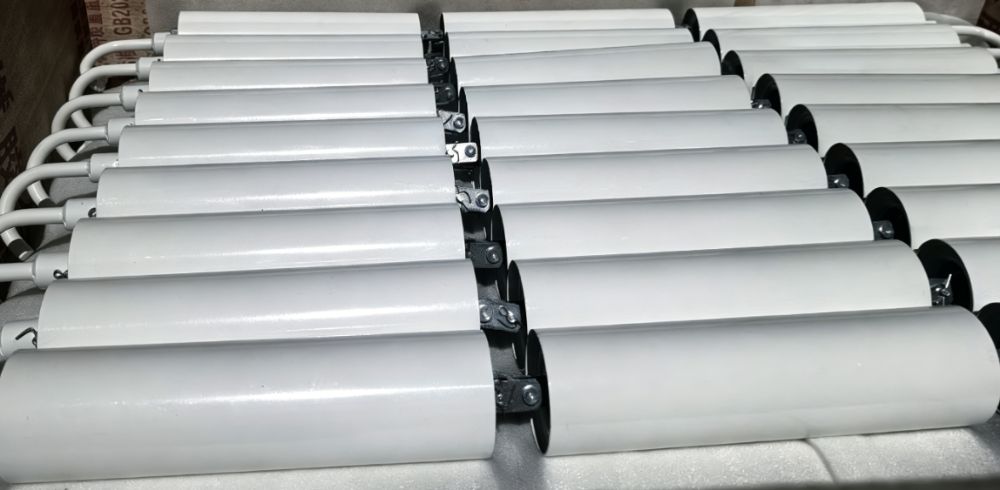
Beyond just price, the real separator among idler roller manufacturers is how they approach material selection. A manufacturer that uses genuine, certified steel rather than lower-grade alloys can dramatically change how long your rollers hold up under load. Ask about their sourcing—do they use consistent mills with documented chemistry reports? Rollers made from inconsistent materials might look identical at first, but early pitting, accelerated wear, or outright shell failures can shut your line down. It’s one of those details that rarely makes it into a glossy brochure, but it directly determines whether you’re replacing rollers every two years or every six.
Another angle worth digging into is the bearing housing design and sealing. Many suppliers treat sealing as an afterthought, using generic labyrinth arrangements that don’t really keep out fine dust or moisture in harsh environments. Instead, look for manufacturers who offer multiple seal configurations tailored to your actual operating conditions—high washdown, cement dust, extreme temperatures. Pay attention to how the bearing is housed too; a slip-fit design might be cheap to produce, but it allows movement that gradually chews up the shaft. A properly engineered interference fit and decent clearances could mean the difference between a roller that spins freely for years and one that seizes within weeks of installation.
Finally, don’t underestimate the value of a manufacturer’s post-sale support and willingness to customize. A supplier who knows their own design limitations will be upfront about lead times and minimum orders, but the really good ones will also work with you when a standard roller doesn’t quite fit. Maybe you need an odd shaft length, a specific surface coating, or a stamped shell for a legacy conveyor. The manufacturer that responds with a quick drawing and a realistic timeline rather than pushing a stock option is one you’ll want in your corner for the long haul.
Material Matters: Steel, Rubber, and Composite Rollers Compared
When choosing rollers for demanding industrial applications, the material composition can make or break performance. Steel rollers have long been the workhorse for heavy loads and high temperatures, offering unmatched structural rigidity and wear resistance. They excel in environments where impact or abrasion is constant, but their weight and susceptibility to corrosion often demand additional coatings or careful maintenance.
Rubber rollers, by contrast, bring flexibility and grip to the table. Their ability to conform to uneven surfaces makes them ideal for material handling and printing processes where friction and surface protection are priorities. However, they can degrade under extreme heat or chemical exposure, limiting their use in harsher settings. Composite rollers aim to bridge these gaps, combining materials like fiberglass or carbon fiber with resin matrices to create lightweight yet durable alternatives. They resist corrosion, dampen vibration, and can be engineered for specific load capacities, though they may not match steel’s raw strength in the most punishing conditions.
Selecting the right roller material boils down to balancing operational demands: load, speed, environment, and longevity. Steel provides brute force, rubber offers gentle control, and composites deliver a versatile middle ground. Understanding these trade-offs ensures that the roller you pick aligns with your machine’s real-world needs, ultimately reducing downtime and maintenance costs.
Custom Idler Solutions for Niche Industrial Applications
Off-the-shelf idlers rarely fit the tight confines or unusual load patterns of specialized machinery. We start every project with a deep dive into your equipment's operating envelope—studying belt speeds, material flow, and environmental stressors that generic catalogs overlook. From high-temperature furnaces to washdown-ready food lines, we engineer each idler's diameter, bearing arrangement, and shell thickness around your actual duty cycle, not industry averages.
Our shop thrives on short-run complexity that large manufacturers dodge. Whether you need a single retrofit roller with a non-standard shaft interface or a small batch of crowned pulleys for a unique tracking challenge, we handle mixed-material combinations—stainless sleeves paired with engineered plastic hubs, for instance—without forcing you into costly compromises. Prototyping often starts within days, not weeks, because we keep raw stock and tooling flexible.
Beyond the hardware, we map out how each component behaves under fatigue and misalignment, then share that back-of-the-napkin math with your crew. It's not just about shipping a part; it's about keeping a potato sorter or a textile tentering line running when OEM support has dried up. That gut-level understanding of niche environments means you get an idler that stays put, runs quiet, and wears evenly—long after the invoice is filed away.
Avoiding Common Pitfalls in Idler Roller Selection
Opting for the cheapest idler roller often leads to premature wear and unexpected downtime. The initial savings can be quickly erased by frequent replacements and the labor costs involved in swapping them out. Instead, evaluate the total lifecycle cost, considering factors like bearing quality, seal effectiveness, and shell thickness, to ensure the roller can handle your specific load and speed requirements without constant attention.
A common oversight is neglecting the impact of environmental conditions. In wet or highly abrasive settings, standard rollers may fail within months. Pay close attention to seal design—labyrinth or contact seals each have their place. Similarly, ensure the roller's material and coating match the operating temperature range and chemical exposure. Choosing a design that isn't tailored to these factors invites contamination and bearing failure, no matter how robust the initial construction seems.
Another trap is mismatching the idler roller's diameter and bearing size to the belt width and speed. Oversizing wastes money and adds unnecessary weight to the conveyor structure, while undersizing leads to excessive RPMs and heat buildup, drastically shortening service life. Consider the troughing angle and belt transition points as well; improper geometry can cause spillage and belt mistracking, creating a cascade of maintenance headaches that stem from a simple misapplication of the roller specification.
A Field Guide to Idler Roller Maintenance and Replacement Cycles
Idler rollers quietly shoulder the burden of your conveyor system, often overlooked until a sudden breakdown halts production. Paying attention to their condition isn’t just about avoiding downtime—it’s about reading the subtle signs they give off. Look for uneven wear patterns, unusual vibrations, or a gentle hum that turns into a growl; these aren’t just annoyances, they’re the roller’s way of telling you its service life is nearing an end. A quick visual inspection during routine walks can catch a seized bearing or a wobbly shell before it cascades into a belt tracking nightmare.
Establishing a replacement cycle isn’t about sticking rigidly to a calendar. It’s more like understanding the rhythm of your operation. Factors like load weight, belt speed, material abrasiveness, and even ambient humidity all dance together to determine how long a roller really lasts. Instead of guessing, build a simple log: track when rollers are swapped and the conditions they faced. Over time, patterns emerge that let you tune intervals specifically to your site—whether it’s the punishing grit of a quarry or the gentle pace of a packaging line. This kind of practical wisdom keeps you ahead of failures without wasting money on premature swaps.
Don’t underestimate the value of a hands-on maintenance routine. A little bit of grease at the right time, a careful check for end‐cap loosening, or even rotating rollers between high‐impact and low‐stress zones can stretch their working life noticeably. Combine this with a thoughtful spare parts stash—keeping critical sizes on hand but not overstocking—and you create a system that runs reliably without frantic last‐minute orders. Ultimately, maintaining idlers is as much about observation and local knowledge as it is about any manufacturer’s guideline. Trust what your equipment is telling you, and you’ll replace rollers out of foresight, not desperation.
FAQ
Focus on their material quality, manufacturing precision, and track record. A good supplier will openly share specs and testing data, and they won't hesitate to walk you through their production process. Also, check if they offer custom solutions—that often separates the experts from the middlemen.
Ask for samples or visit their facility if possible. Examine the welding, bearing seals, and shell thickness. Experienced buyers also test for runout and balance. If the supplier has in-house testing equipment, that's a strong sign they care about consistency.
Not usually. Low upfront costs often hide thinner shells, inferior bearings, or poor dust sealing. These lead to frequent replacements and belt damage. Spending a bit more on rollers from a trustworthy source avoids downtime and saves money over time.
For tough environments like mining, go with high-grade steel shells and labyrinth seals. Bearings should be deep groove ball type with ample grease. Some operations prefer rubber-coated or impact-absorbing rollers in high-wear zones. The right material depends on your specific load and conditions.
Look at their warranty terms and whether they offer technical support. A supplier who asks about your conveyor's speed, load, and environment shows they're thinking long-term. They'll also suggest maintenance-friendly designs instead of just pushing the next sale.
Specialists often have deeper engineering know-how and can fine-tune designs for your needs. They're more likely to keep stocked items and provide fast replacements. Plus, they tend to stay updated on material innovations and bearing technology.
Start with a detailed drawing and quality agreement. Third-party inspection before shipment is a must. Building a relationship with a supplier that has local agents or dependable after-sales support can also smooth out issues. Communication discipline upfront prevents most surprises.
Many buyers focus only on price and ignore the total cost of ownership. Others overlook shaft dimensions or bracket compatibility, which leads to installation headaches. Also, assuming all 'interchangeable' rollers are equal is risky—always compare bearing types and seal designs.
Conclusion
Finding a reliable idler roller supplier goes beyond scanning catalogs; it's about uncovering the hidden engineering that separates a decade-long performer from a premature failure. Long-lasting rollers aren't an accident—they result from precision bearing selection, labyrinth sealing technologies, and rigorous fatigue testing that many manufacturers skip. When comparing suppliers, dig into their material science: high-grade steel with proper heat treatment often outperforms cheaper alternatives in abrasive environments, while rubber and composite rollers excel in impact zones or corrosive settings. A supplier worth their salt will walk you through these trade-offs without pushing a one-size-fits-all solution. Look for those who offer custom solutions for niche applications—whether it's an odd-size shaft, a high-temperature requirement, or a food-grade facility—because the ability to adapt often signals deeper specialization and commitment to solving real-world conveying challenges.
Equally important is the support you'll receive after the purchase. Many operations fall into easily avoidable traps: selecting rollers based solely on price, overlooking subtle misalignment causes, or ignoring material flow characteristics that accelerate wear. The best suppliers help you sidestep these pitfalls by providing clear selection criteria and on-site assessments. They also guide you in crafting a practical maintenance schedule that balances preventive inspections with replacement cycles dictated by real operating conditions, not just manufacturer averages. By coupling robust product design with field-savvy advice, they become a partner in your uptime. Ultimately, choosing the right roller supplier means prioritizing transparent engineering, material versatility, and long-term service—a combination that keeps your conveyors running efficiently long after the purchase order is filed.
Contact Us
Contact Person: Anna Lu
Email: [email protected]
Tel/WhatsApp: 8618561668850
Website: https://www.x-conveyor.com