

Aluminum Offshore Work Boats: The Ultimate Guide to Durability and Performance
2026-08-03
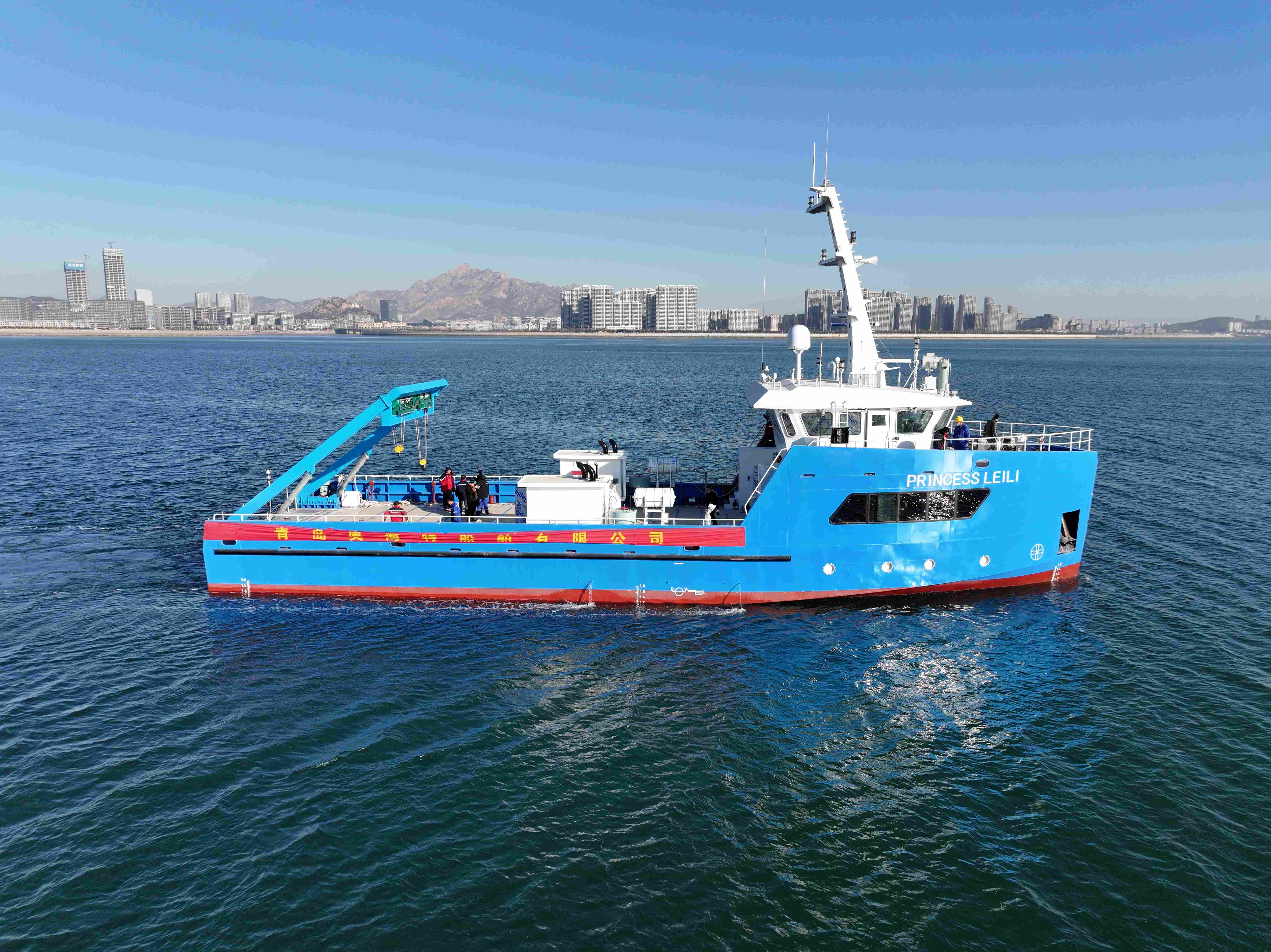
When it comes to marine operations, having a vessel that can withstand harsh conditions while delivering top-tier performance is non-negotiable. Aluminum offshore work boats have rapidly become the go-to choice for industry professionals who refuse to compromise on durability and efficiency. But what truly sets a high-quality aluminum work boat apart? At Allheart, we understand that every weld, every hull design, and every component matters. In this guide, we’ll dive into the key factors that make aluminum boats the backbone of offshore work, and how the right construction and design translate into years of reliable service. Whether you’re navigating rough seas or operating in corrosive environments, the insights ahead will help you make an informed decision that impacts your bottom line.
Why Seasoned Captains Swear by Aluminum Hulls
Ask any captain who’s spent decades on the water, and they’ll tell you the hull material is about more than just durability—it’s about chemistry. Aluminum develops a natural oxide layer that shrugs off corrosion in a way fiberglass can’t match, especially when you’re moored in a marina week after week. It’s not just science; it’s the peace of mind that comes from knowing your boat can handle a stray dock strike or a submerged log without a catastrophic crack.
Weight is another hidden factor. A lighter hull means quicker planing and better fuel economy without sacrificing strength. Captains who’ve switched from heavier glass boats notice the difference immediately: less horsepower needed to cruise, more responsive handling, and the ability to venture into skinny water that would leave others stranded. That agility isn’t just convenient—it opens up fishing spots that weekend warriors never reach.
Then there’s the resale angle. Aluminum boats hold their value stubbornly well, and seasoned captains know this isn’t an accident. They’ve seen too many fiberglass hulls develop osmotic blisters or stress cracks after years of hard use. An aluminum hull, properly maintained, can look almost new after a decade of punishment. It’s the kind of investment that whispers smarter decisions, not louder engines.
The Hidden Engineering Behind Offshore Durability
When you look at an offshore platform, you see steel and concrete rising from the waves—but the real genius lies beneath the surface. Corrosion is the silent enemy, and the defense starts with cathodic protection systems that use sacrificial anodes to draw rust away from critical joints. These anodes, often made of zinc or aluminum, are strategically placed and meticulously calculated to dissolve over decades, sacrificing themselves so the structure doesn’t have to. It’s a slow, deliberate choreography of electrical currents and material science, largely invisible but absolutely essential.
Then there’s the constant battle against fatigue. Waves aren’t just water—they’re relentless cycles of stress that can turn microscopic cracks into catastrophic failures. Engineers embed sensors deep into the latticework of legs and braces, listening for the acoustic fingerprint of growing fissures. This isn’t a one-time inspection; it’s a continuous, automated vigilance where machine learning algorithms differentiate between harmless background noise and the early whisper of a problem. The platform essentially develops a nervous system that feels the ocean’s mood and knows when something is wrong.
Beneath all of this is the art of geotechnical anchoring. The seabed isn’t a uniform foundation; it’s a patchwork of clay, sand, and rock with its own unpredictable behavior. Piles aren’t just hammered in—they’re designed to grip the soil through skin friction and end-bearing resistance in a delicate balance. Some platforms use suction caissons that pull themselves down like giant inverted buckets, creating a vacuum seal that can hold against a thousand-year storm. It’s a quiet partnership between the structure and the earth, where the real strength is in the bond, not just the steel.
How Aluminum Vessels Slash Operational Costs
Aluminum's lightweight nature directly translates into significant fuel savings, often reducing consumption by 10-15% compared to steel-hulled alternatives. This efficiency gain is not just a marginal improvement—it's a fundamental shift in operational economics, especially for fleets covering long distances or operating in fluctuating fuel markets. With less fuel burned per voyage, operators can redirect capital toward fleet expansion or maintenance, rather than watching it evaporate through exhaust systems.
Maintenance expenses see a sharp decline when switching to aluminum. Unlike steel, which demands regular corrosion treatment and repainting, aluminum forms a tough oxide layer that shields the hull without human intervention. This self-healing property eliminates the need for drydock visits solely for blistering paint or rust remediation, slashing labor costs and keeping the vessel in service longer. In industries where downtime equals lost revenue, this durability pays for itself rapidly.
The cargo advantage shouldn't be overlooked. Because aluminum vessels weigh less, they can carry more payload without breaching weight restrictions or sacrificing stability. For ferries, barges, and workboats, this means each trip becomes more profitable—either through higher capacity utilization or by accommodating heavier loads that steel boats simply cannot handle efficiently. Over a vessel's lifetime, these incremental gains compound into a commanding edge over conventional materials.
Rough Seas? Here’s Why Aluminum Boats Hold Their Own
There’s a certain confidence that comes with piloting an aluminum boat when the water starts churning. Unlike fiberglass, aluminum has a natural ability to flex under impact instead of cracking. That give makes a world of difference when you’re pounding through relentless chop, absorbing the shock rather than transferring it straight to your spine. It’s not just about comfort either—that flexibility translates to durability over decades of hard use.
Saltwater corrosion is the silent killer of most boats, but aluminum simply shrugs it off. A properly maintained aluminum hull forms its own protective oxide layer that seals the metal from the elements. No osmosis, no blistering, none of the creeping damage that keeps fiberglass owners awake at night. This means less yard time and more hours actually fishing or cruising when conditions turn nasty.
Many aluminum boat designs also lean toward a deep-V or modified-V hull, which cuts through rough water with authority. The lighter weight of aluminum allows these hulls to rise up and plane quickly, avoiding the sluggish, wallowing ride of heavier vessels. Combine that with the material’s inherent strength, and you’ve got a boat that feels planted yet responsive, even when the sea tries its worst.
From Dock to Deep Water: Maximizing Performance
Every seasoned captain knows the transition from dock to open sea demands more than just casting off lines. It’s about reading the subtle language of the water, feeling the boat’s response as you ease the throttle, and making real-time adjustments to trim, ballast, and heading. The goal isn’t speed alone—it’s finding that sweet spot where the hull slices cleanly through the waves and the engines hum without strain.
In those first miles, small changes yield dramatic results. A slight tilt of the trim tabs can lift the stern just enough to cut drag, while shifting weight forward helps the bow bite into swells rather than slamming over them. It’s a dance of physics and intuition, one that rewards patience and practice. The difference between a rough, fuel-guzzling slog and a smooth, efficient ride often comes down to these moments of fine-tuning.
Once you’ve found your rhythm, the deep water opens up. The hull settles, the wake steadies, and you can push further with less effort. Performance isn’t a fixed setting you dial in once—it’s an ongoing process of listening and adapting. By staying attuned to the conditions and your vessel’s personality, you turn a simple passage into a masterclass in seamanship, where every mile feels earned and effortless.
The Long-Term Payoff: Maintenance Myths Debunked
Many of us grew up hearing that you should change your car's oil every 3,000 miles, but modern engines and synthetic lubricants have rendered that rule obsolete. Sticking to outdated advice doesn't just waste money—it can actually create a false sense of diligence while neglecting more critical maintenance tasks. The real long-term payoff comes from understanding how your specific vehicle operates and following the manufacturer's guidelines, not the myths passed down through generations.
Another persistent myth is that premium fuel boosts performance in every car. Unless your engine is specifically tuned for higher octane, you're simply paying more for no benefit. The same goes for idling a cold engine to warm it up—today's fuel-injected engines need less than a minute before they're ready to drive. Letting go of these habits frees up resources for genuine preventive care, like timely belt replacements or fluid checks, which directly extend a vehicle's lifespan.
The biggest misconception might be that skipping small fixes saves money. A worn wiper blade or a slightly sticky caliper seems trivial until it causes an accident or uneven tire wear. Proactive attention to these details often costs a fraction of the repairs they prevent, proving that real savings lie in debunking the myth that maintenance is an optional expense. In the end, separating fact from fiction isn't just about avoiding unnecessary work—it's about building a relationship of confidence with your machine.
FAQ
Aluminum's high strength-to-weight ratio gives it a clear edge. It’s light enough to boost fuel efficiency and speed, yet tough enough to withstand brutal saltwater environments. Unlike heavier steel, it reduces draft, letting these boats operate in shallower waters. The metal also naturally resists corrosion, cutting down on long-term upkeep, and its flexibility absorbs impact better without cracking, which is critical for demanding offshore tasks.
While steel is often seen as the tough guy, aluminum holds its own differently. It doesn’t rust like steel does—instead, it forms a protective oxide layer that slows corrosion. You don’t need to paint it constantly. In a collision, aluminum’s elasticity lets it flex and bounce back, whereas steel might dent permanently. Over time, properly maintained aluminum boats often outlast steel ones in constant saltwater use, with far less hull deterioration.
The weight savings translate directly to performance. Less hull weight means better acceleration, higher top speeds, and less fuel burned—major cost savers for commercial operators. The reduced draft opens up shallow working grounds that fiberglass or steel hulls can’t reach. Aluminum also transfers vibrations less, leading to a smoother, quieter ride for crews, and the structural rigidity keeps handling stable even when the boat is fully loaded.
Maintenance isn’t high, but it’s specific. Watch out for galvanic corrosion if you mix metals improperly—use isolated fittings and check anodes religiously. Pressure washing with fresh water after salt trips is non-negotiable to prevent pitting. Avoid abrasive cleaners that strip that protective oxide coat. Inspect welds annually for stress cracks, especially around high-load areas. With these steps, an aluminum hull can go decades without major repairs.
Good design starts with the alloy grade—marine-grade 5083 or 5086 aluminum resists seawater best. Continuous welded seams, not stitch welding, prevent crevice corrosion. Reinforced keel and chine sections take the brunt of beaching and impacts. Proper drainage and ventilation keep moisture from pooling inside frames. A well–thought-out electrical layout avoids stray currents that accelerate corrosion. Even the paint system, if used, must be compatible with aluminum to prevent blistering.
Absolutely. Modern workboats are engineered with deep-V or multi-chine hulls that slice through chop, and the lightweight construction allows a higher payload capacity without eating into reserve buoyancy. The hull’s inherent flexibility lets it ride waves rather than fight them, reducing slamming. Proper weight distribution and wide beam designs keep things stable even when deck cranes or heavy equipment are in play. Plenty of these boats operate day in, day out in North Sea conditions.
It’s a top deciding factor. Aluminum naturally forms an oxide barrier when exposed to air, sealing itself against seawater. That means less time and money spent on coatings and rust removal. In offshore service, where the boat might sit in brackish estuaries or salt spray continuously, this passive protection is invaluable. The lack of rust also preserves the hull’s structural integrity longer, so resale values stay strong, and operational downtime from dockyard blasting and painting is minimized.
Start with the builder’s reputation and certification to classification societies like ABS or DNV. Examine weld quality—smooth, continuous seams are a must. Check that the alloy is truly marine-grade and that the design includes accessible inspection ports for internals. Look at the power plant and fuel tankage relative to typical mission ranges. Deck layout should prioritize safety with non-skid surfaces and robust tie-down points. Finally, validate the boat’s track record in similar operating conditions; nothing beats real-world feedback.
Conclusion
Anyone who's spent decades reading the water will tell you—aluminum isn't just another material, it's a mindset. Seasoned captains lean hard on these hulls because they've learned the difference between a boat that fights the sea and one that works with it. Unlike steel, aluminum doesn't quietly surrender to rust at the waterline, and unlike fiberglass, it doesn't shatter when the swell picks up. There's a natural flex in the alloy that absorbs the pounding of a rough chop instead of passing it straight to your spine. And when a tight schedule means pushing through weather that keeps lesser vessels tied to the dock, that light-yet-rigid structure gives you the confidence to keep the throttles down. It's the kind of quiet dependability that turns a captain into an evangelist, because when the horizon goes dark and the job still needs doing, the hull beneath your feet isn't up for debate—it's already proven.
What you don't see is where the real story lives. Modern aluminum workboats are engineered with a lattice of transverse frames and longitudinal stiffeners that distribute stress so effectively that fatigue cracks become rarities, not regular headaches. That hidden skeleton is what keeps operating costs surprisingly low—less weight means smaller engines burning less fuel, and no periodic sandblasting or repainting to fight corrosion. The myth that aluminum boats are maintenance nightmares comes from those who never learned that proper electrical isolation and a freshwater rinse after a salt run is all it takes. Over a decade of service, the numbers don't lie: fewer days in the yard, more days earning at sea. Whether you're chasing a dive support contract or running a crew transfer, the real payoff is a vessel that stays out of the accountant's crosshairs and keeps your focus where it belongs—on the water, not in the repair shed.
Contact Us
Contact Person: Benny Hu
Email: [email protected]
Tel/WhatsApp: +8618354225697
Website: https://www.allheartmarine.com/